Abu Dhabi Chamber Pitches Emirate as Long-Term Home for Family Capital
Ali Mohamed Al Marzooqi told a family office congress that investment families think in generations, pointing to non-oil growth and a state-linked project pipeline.

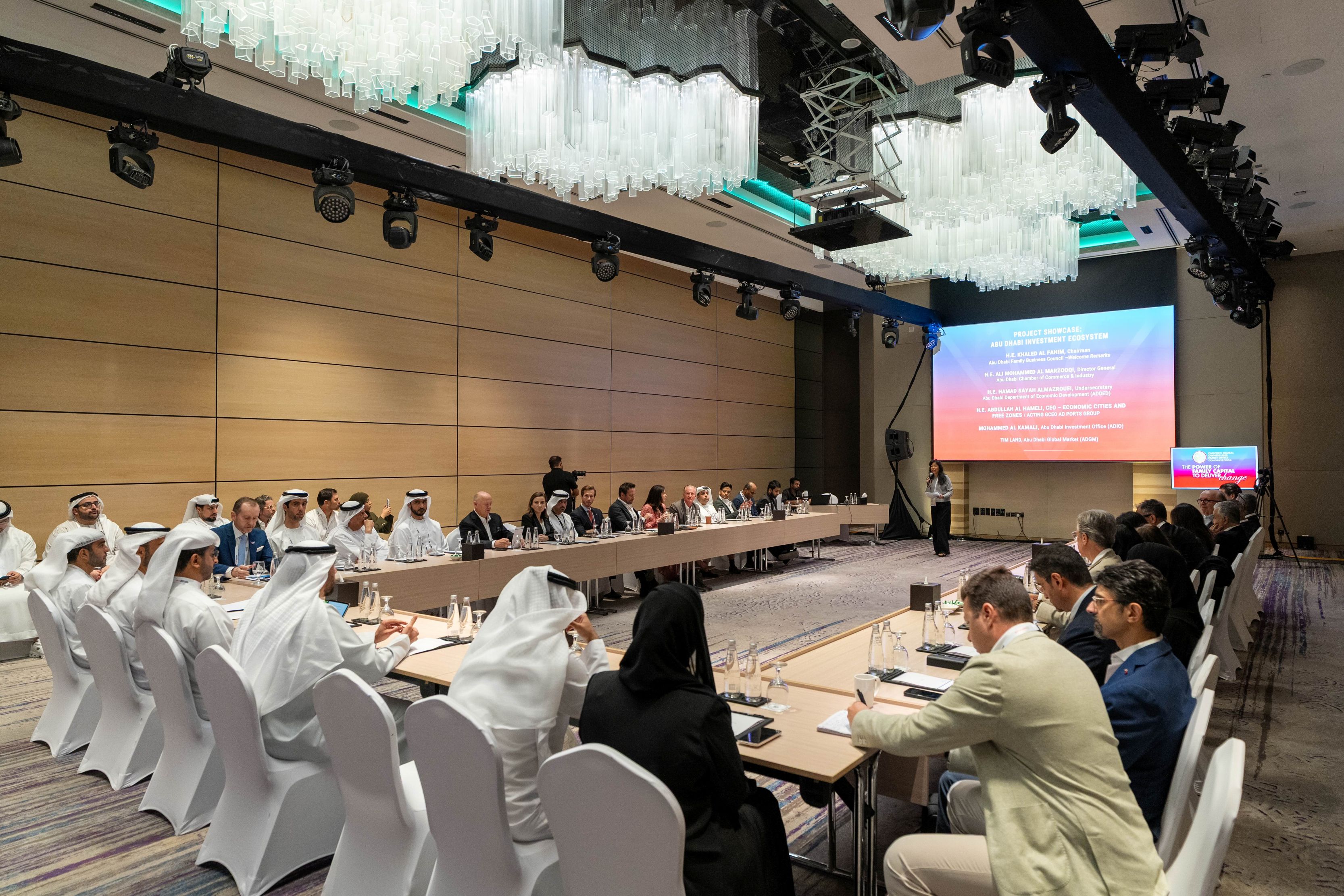
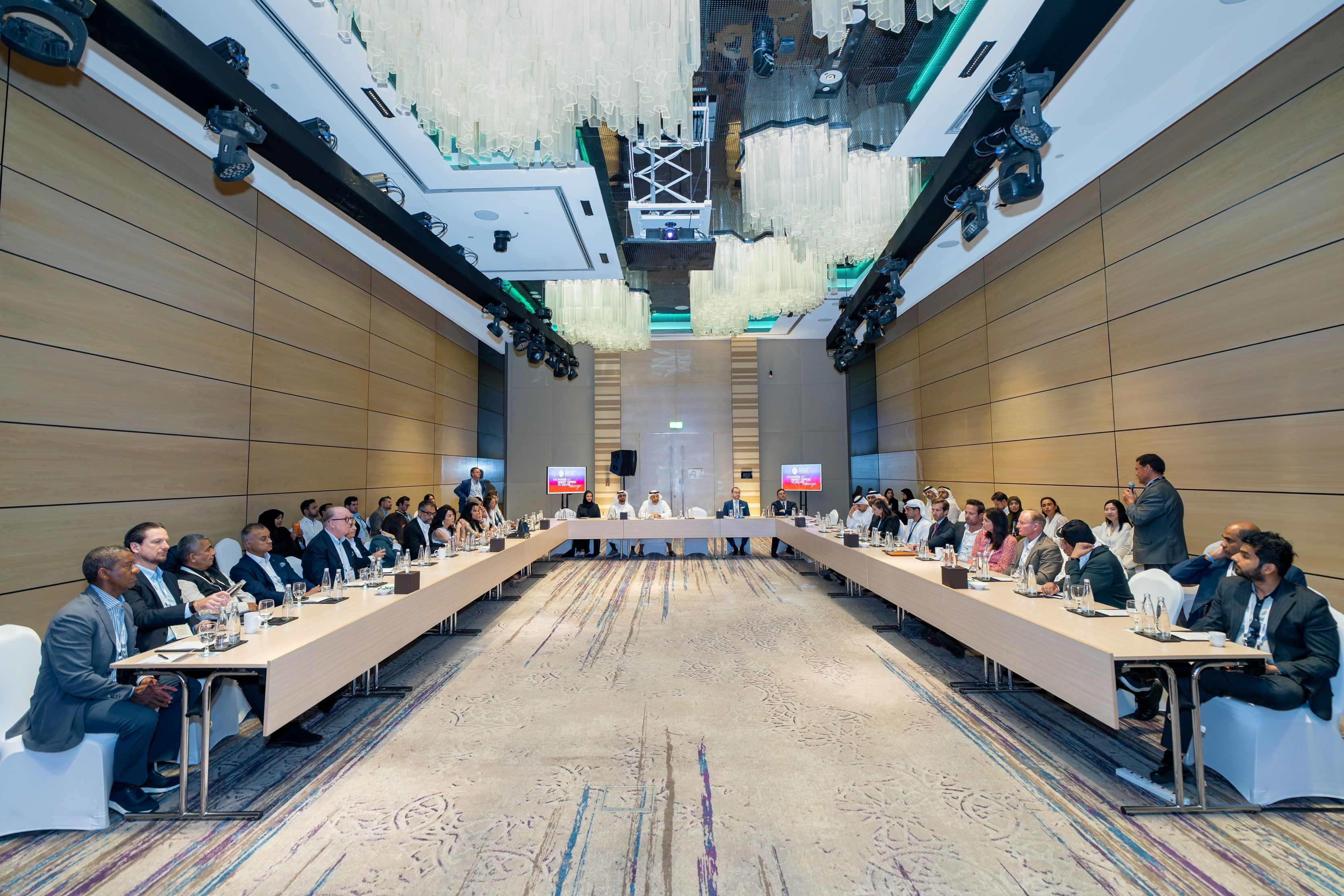
Abu Dhabi is pitching itself directly to the families that control large pools of private wealth, presenting the emirate as a place to hold capital across decades rather than a market to move in and out of. Ali Mohamed Al Marzooqi, director general of the Abu Dhabi Chamber of Commerce and Industry, made the case at a roundtable titled “Abu Dhabi: From Capital to Investment Opportunities.”
Abu Dhabi: From Capital to Investment Opportunities.
The session took place at the fourth Global Owners and Family Office Congress, which runs in Abu Dhabi from October 19 to October 22, 2026 and brings family business owners and family office executives together in the capital. Campden Wealth organized the congress, with the Abu Dhabi Family Business Council as main partner. The council is an affiliate of the chamber. Representatives of ADDED, ADGM and KEZAD Group joined the roundtable, placing the chamber alongside the emirate's investment promotion and free zone bodies in front of an audience of business owners.
Generational timeframes
Al Marzooqi's argument turned on time horizons. Investment families, he said, think in generations rather than in financial quarters, and they look for stability, real growth and partnerships they can build on. He described Abu Dhabi as positioning itself as a global destination for family capital and long-term investment. The framing is deliberate: a family that holds a building or a stake for twenty years behaves differently from a fund working to a five-year exit.
The base is broadening. Non-oil activity in Abu Dhabi grew more than 6% annually between 2021 and 2024, and it made up 54% of the emirate's GDP in the third quarter of 2025. Nationally, the UAE drew US$48.3 billion in foreign direct investment in 2025, ranking ninth in the world.
The chamber's own numbers move the same way. Membership stands at roughly 174,000 companies, up from 131,000 in 2021. It grew 10.4% in 2025 and new registrations rose 27%. That is a measure of how many businesses want a local address, not of how much capital they bring.
The pitch rests as much on that membership roll as on the growth figures. Incoming investors get a counterparty list — suppliers, partners and service providers already registered locally. That is the practical side of the argument about partnerships a family can build on.
Where patient capital could go
Al Marzooqi named industry, supply chains, infrastructure, clean energy, digital transformation, tourism and real estate as promising sectors for patient capital. Parts of the pipeline are already committed. ADNOC plans to award AED200 billion in new projects between 2026 and 2028. A list of 24 public-private partnership projects is worth AED55 billion. An AED13 billion Digital Strategy covers the emirate's technology build-out.
Services for investors without local networks
Most of the machinery the chamber advertises is about access rather than money. More than 1,000 members have joined its business matchmaking programs since 2025. Procurement Connect helps businesses find procurement opportunities with government entities and major corporations. Global Tenders opens up tenders in more than 170 countries. Fourteen chamber services run through TAMM, and its international reach is backed by 87 agreements across 47 countries.
The competition for family offices is real, and the financial centres of the Gulf are chasing the same owners. What Abu Dhabi offers that a purely financial jurisdiction cannot is a state-adjacent project pipeline — ADNOC's contract awards, the PPP list — in which a family office can take a stake alongside government money. Whether families act on that will show up in registrations and in commitments, not in the framing of a roundtable.


