ADGM Academy Builds Founders Around Market Discipline, Mentorship
Ali Al Mehairi says the UAE's next phase of entrepreneurship depends less on encouraging startups than on connecting founders to markets, mentors and capital.
Karim El-Sayed Karim El-Sayed covers company news, policy and regulation across the UAE and wider MENA for Anecdoted, with a focus on how new rules and licences reshape how startups operate. karim@anecdoted.com
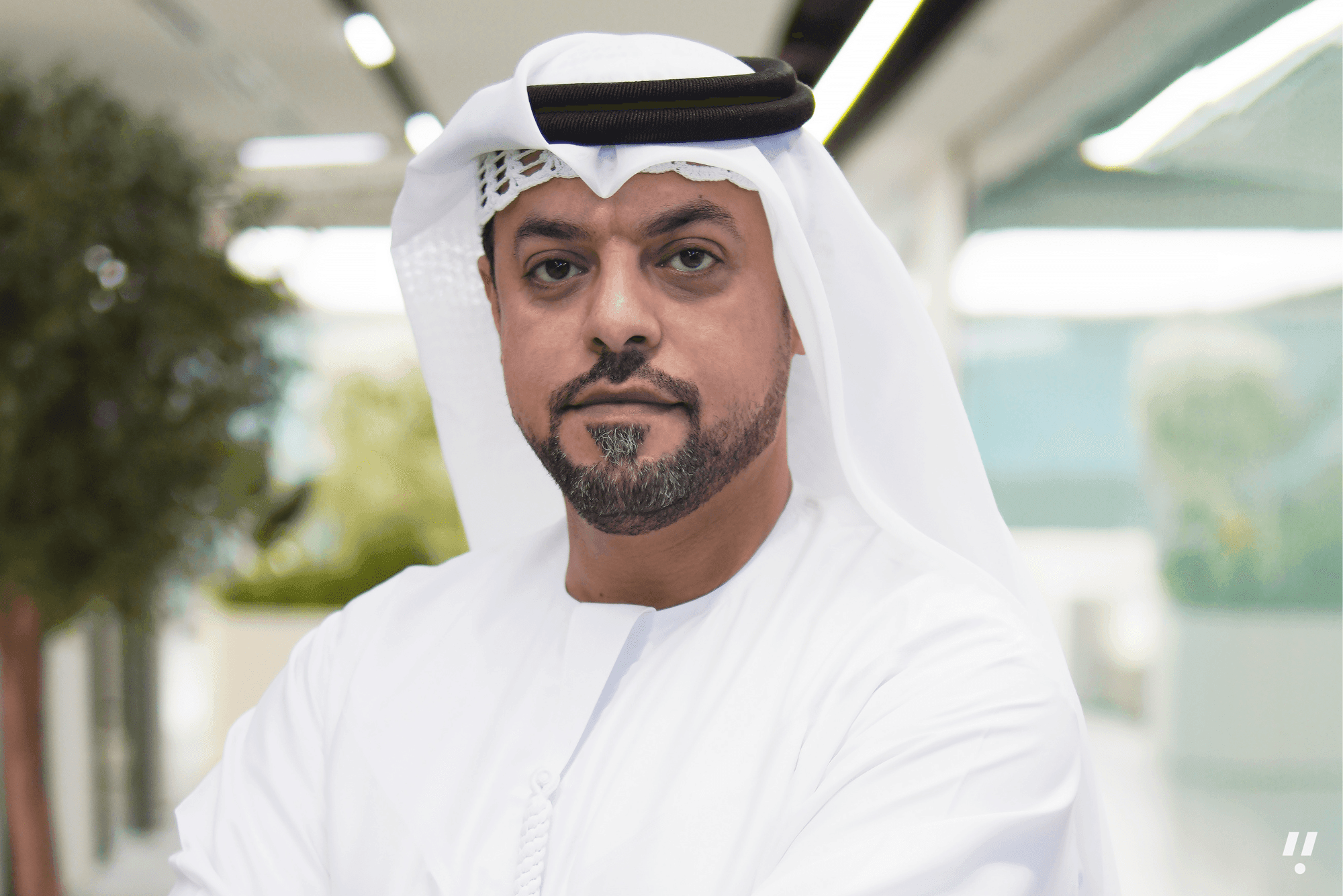
The number of small and medium-sized businesses owned by UAE nationals has climbed 63% over five years, according to the Ministry of Economy and Tourism in January 2026. For Ali Al Mehairi, that rise marks a change in what the country is trying to accomplish. Getting people to start companies is no longer the difficult part. Linking them to talent, funding, markets and opportunities abroad is.
Al Mehairi is Senior Executive Director for Business Enablement at ADGM Academy, the knowledge arm of ADGM. He describes the academy's task in narrow terms: converting national ambition into a pipeline of founders who are commercially capable and ready to take investment.
He places the strongest openings for the next generation in artificial intelligence, advanced industries, sustainability and the digital economy. Emirati entrepreneurs, in his account, are positioned to build solutions shaped by local conditions that can travel beyond them, generating skilled employment, intellectual property and new sources of economic value along the way.
The academy trains and mentors aspiring founders and existing business owners at different stages. Its Entrepreneurship Program is delivered with Khalifa Fund to support startups and SMEs. The Future Entrepreneurs Program is a hands-on track for Emiratis, job seekers and young people. A five-day bootcamp, Ruwad Al Ain, helps participants build the skills and networks to start a business. ADGM Academy says it trained more than 500 entrepreneurs across the UAE in 2025; its annual report for that year records 2,244 Emiratis trained, taking the total since 2019 to 10,779.
Al Mehairi argues that effective entrepreneurship education is applied and iterative, tied to the market rather than confined to a syllabus. Business fundamentals sit alongside live challenges, customer discovery and practitioner insight, with repeated chances to test decisions. Founders need to understand how emerging tools address customer problems while developing financial discipline, commercial judgment and adaptability.
In Al Ain, he saw the same pattern repeat. First-time founders arrive with technical knowledge or a strong commitment to a problem, but little experience assessing customer demand, reaching the right market, forecasting finances or evaluating funding options. The support they need is practical and staged: validate the problem, define the customer, test the economics, set measurable milestones, then scale.
Mentorship, market access and expert guidance are most useful when they run through the whole founder journey, he says. At ADGM Academy, mentoring is structured around specific business priorities and practical next steps. A working mentor relationship, as he describes it, combines candor, relevance and accountability. Mentors challenge assumptions, share pattern recognition drawn from real operating experience and keep founders focused on decisions that materially affect the venture.
Evidence from outside the region points the same way. A PwC Middle East report published in August 2025 identifies mentorship and structured entrepreneurship education as two priorities for helping young people in MENA build viable businesses. Entrepreneurship across the region has grown substantially over five years, the report finds, with 46% of employees ready to start a business. It also notes that only 35% of small businesses without mentors survive beyond five years, half the rate of those with mentors, and recommends that governments and businesses make it easier to connect young founders with experienced ones.
ADGM Academy plans to widen its footprint across Abu Dhabi, including Al Dhafra, holding training standards steady while tailoring delivery to each community through industry focus areas, practical case studies, mentor networks and market access. Al Ain showed that entrepreneurial talent exists in every community. What differs is whether support reflects the economic opportunities and aspirations around it.
Closing the distance between education and growth, Al Mehairi says, takes coordinated contributions rather than a single program. Universities develop early entrepreneurial capability. Government entities align support with regional and national priorities. Private-sector firms supply real problems and supply-chain openings. Investors bring commercial discipline and growth capital. The academy, he suggests, could carry a broader role in that effort, connecting UAE National talent with expertise, networks and opportunity. The immediate task is stronger coordination so founders outside established business hubs can move from education to incubation, market access, funding and growth.

