COFE Tech's $178M Round and Its CEO's Case for Riyadh as the Region's Silicon Valley
Fresh from a funding round valued at roughly US$178 million, COFE Tech's Ali Al-Ebrahim explains the pivot to enterprise AI and why he sees Riyadh as the Middle East's startup gateway.
Karim El-Sayed Karim El-Sayed covers company news, policy and regulation across the UAE and wider MENA for Anecdoted, with a focus on how new rules and licences reshape how startups operate. karim@anecdoted.com
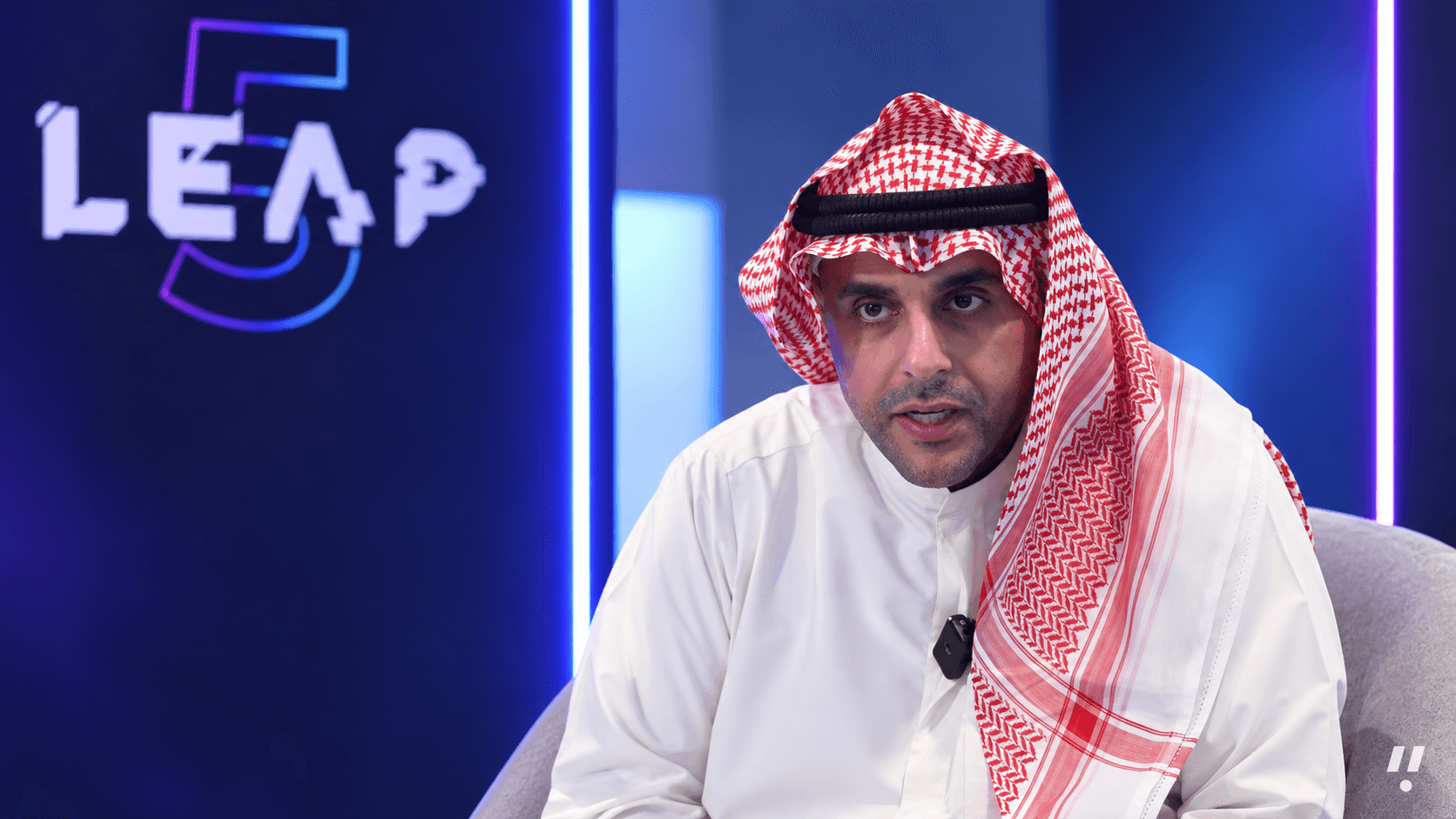
COFE Tech arrived at LEAP 2026 in Riyadh with a funding round worth approximately US$178 million behind it, and a strategy that reaches well past the coffee and hospitality business it started in.
Founder and CEO Ali Al-Ebrahim, speaking to Entrepreneur Middle East, described a platform being rebuilt around enterprise AI, B2B infrastructure and heavier use of data. The goal is not technology for cafes alone, but systems that help companies make better calls on procurement, supply chains, commercial operations and customer engagement.
AI moves from experiment to operations
The regional mood has shifted. Companies have stopped asking whether to try AI; they now ask how to apply it in ways that lift margins, remove friction and give them a clearer view of how the business runs.
Procurement is one gap Al-Ebrahim points to. Buying stays fragmented inside many organisations: suppliers are numerous, systems do not talk to each other, real-time visibility is thin. Software can expose purchasing patterns, supplier relationships and costs. AI can then show where efficiencies are available, and the same logic applies to commercial decisions. Growing companies generate more data, but volume does not make it useful. Value comes from turning it into something a manager can act on - a sharper read on customers, leaner operations, faster choices.
Demand builds on the ground
B2B demand across hospitality and beverages is expanding, and Saudi Arabia's wider growth - major developments, tourism, hospitality investment and mega-projects - creates room for companies supplying the technology those businesses need to scale. Enterprise AI is becoming one of the defining themes of the region's next phase. Early attention went to consumer tools and tinkering. Buyers now want systems wired into daily operations and tied to measurable results.
Sophistication matters less than whether a tool solves a problem that already exists: cutting cost, handling procurement, improving customer experience, or giving leadership a clearer picture of the business.
Riyadh as a gateway
Al-Ebrahim calls Riyadh the "Silicon Valley of the Middle East," pointing to the capital, talent and entrepreneurial activity collecting in the city.
Saudi Arabia has become one of the region's most closely watched markets for startups and technology firms, supported by large-scale investment, digital transformation programmes and a growing base of founders, investors and global companies. In his telling, Riyadh is a launchpad rather than a sales territory: startups that expand there sit close to the businesses, investors and decision-makers shaping the Kingdom's next economic phase.
Scaling is not a matter of copying a model that worked elsewhere. It requires reading the market, building local relationships and adapting products to how companies actually operate. LEAP has become a marker of that momentum, drawing technology leaders, investors, founders and government officials to Riyadh each year.
The new capital helps, but it does not replace product-market fit, operational discipline, or knowing where technology creates measurable value. As AI becomes easier to deploy and more common inside enterprise platforms, companies will separate themselves by the problems they solve rather than the labels they carry.
That is the test ahead for COFE Tech as it pushes into procurement and supply-chain software in a Kingdom where construction, tourism and hospitality are all moving at once.

