Crude Settles $3 Higher as Saudi Export Disruptions Feed Supply Fears
Brent and WTI closed at their highest since May 19 after Riyadh halted loadings at Yanbu and canceled European cargoes.
Tariq Benali Tariq Benali covers business and corporate news across the UAE and MENA for Anecdoted, tracking the deals, leadership moves and regulatory shifts behind the region's companies. tariq@anecdoted.com
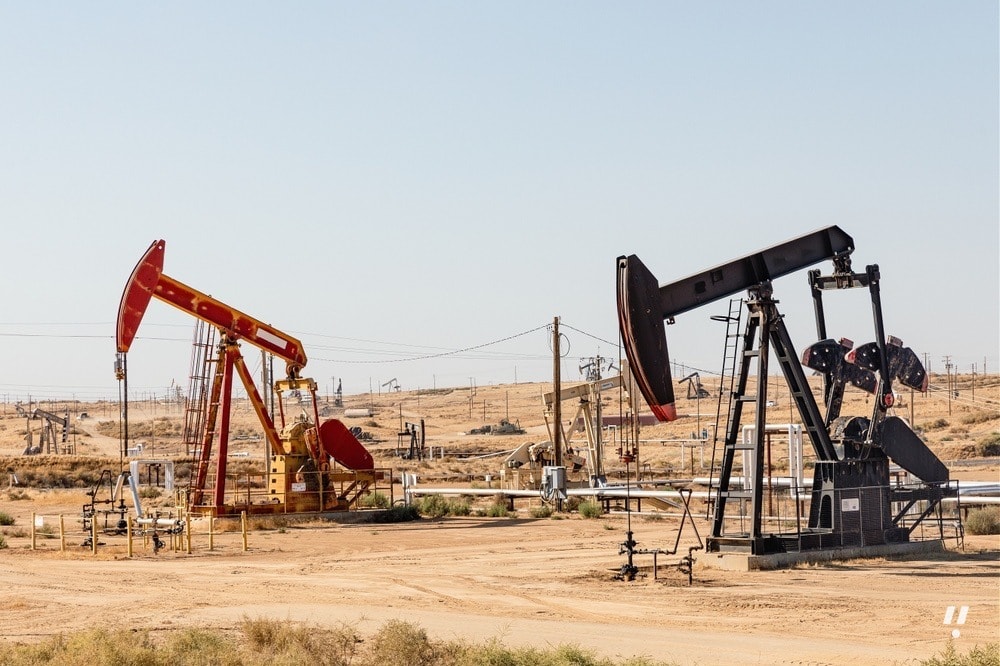
Oil prices climbed more than $3 a barrel on Tuesday after Saudi Arabia suspended crude loadings at Yanbu, its Red Sea export hub, and canceled some late-September cargoes destined for European customers.
Brent settled $3.07 higher, a gain of 2.9%, at $108.75 a barrel. US West Texas Intermediate added $4.44, or 4.4%, to reach $105.83. Both benchmarks finished at their strongest levels since May 19.
Yanbu matters more now than it did before the Strait of Hormuz closed following the US-Israeli war on Iran. That strait normally carries about one-fifth of global oil and LNG supplies. To keep barrels moving, Saudi Arabia shifted crude from its eastern fields through the roughly 1,200-kilometer East-West Pipeline, a route that lets the kingdom bypass Hormuz altogether. The line can move up to 5 million barrels per day. On Friday, attacks by Yemen's Iran-aligned Houthis forced the Saudis to shut it.
Reuters reported that the halt at Yanbu, taken together with the canceled European cargoes, raised questions about how long Saudi exports can keep flowing without the pipeline. Buyers and traders said the kingdom could exhaust its exportable crude within days if the route is not restored.
Forecasts for the repair timeline are wide. Goldman Sachs said estimates run from "very soon" to eight weeks. US Energy Secretary Chris Wright said Tuesday that flows should resume within days.
The break in the supply chain is already redirecting regional crude flows, and traders are wagering that the Saudi disruption lasts longer than the official timeline suggests. One consequence sits on the US Gulf Coast: refiners able to switch between crude grades have room to lean on sweet barrels such as WTI, tightening the competition for them.
Libya added its own pressure. The National Oil Corporation said operations at three oil fields were suspended after members of the Petroleum Facilities Guard shut a valve on the Hamada-Zawiya crude export pipeline. The NOC warned it could declare force majeure if the interruption continues or spreads.
Elsewhere, strikes on energy infrastructure in Russia and Ukraine disrupted refinery operations. US diesel futures and diesel refining margins closed at records.
Goldman Sachs said the widening escalation lifted the odds that Brent tops $120 a barrel if Gulf oil output stays significantly below pre-war levels into 2027.

