Dubai's Demeter Fertility Technologies Turns Consented Data Into Fertility Insight
Founded in 2023, the Dubai healthtech company builds AI tools for fertility and pregnancy care, including the DLady app.
Karim El-Sayed Karim El-Sayed covers company news, policy and regulation across the UAE and wider MENA for Anecdoted, with a focus on how new rules and licences reshape how startups operate. karim@anecdoted.com
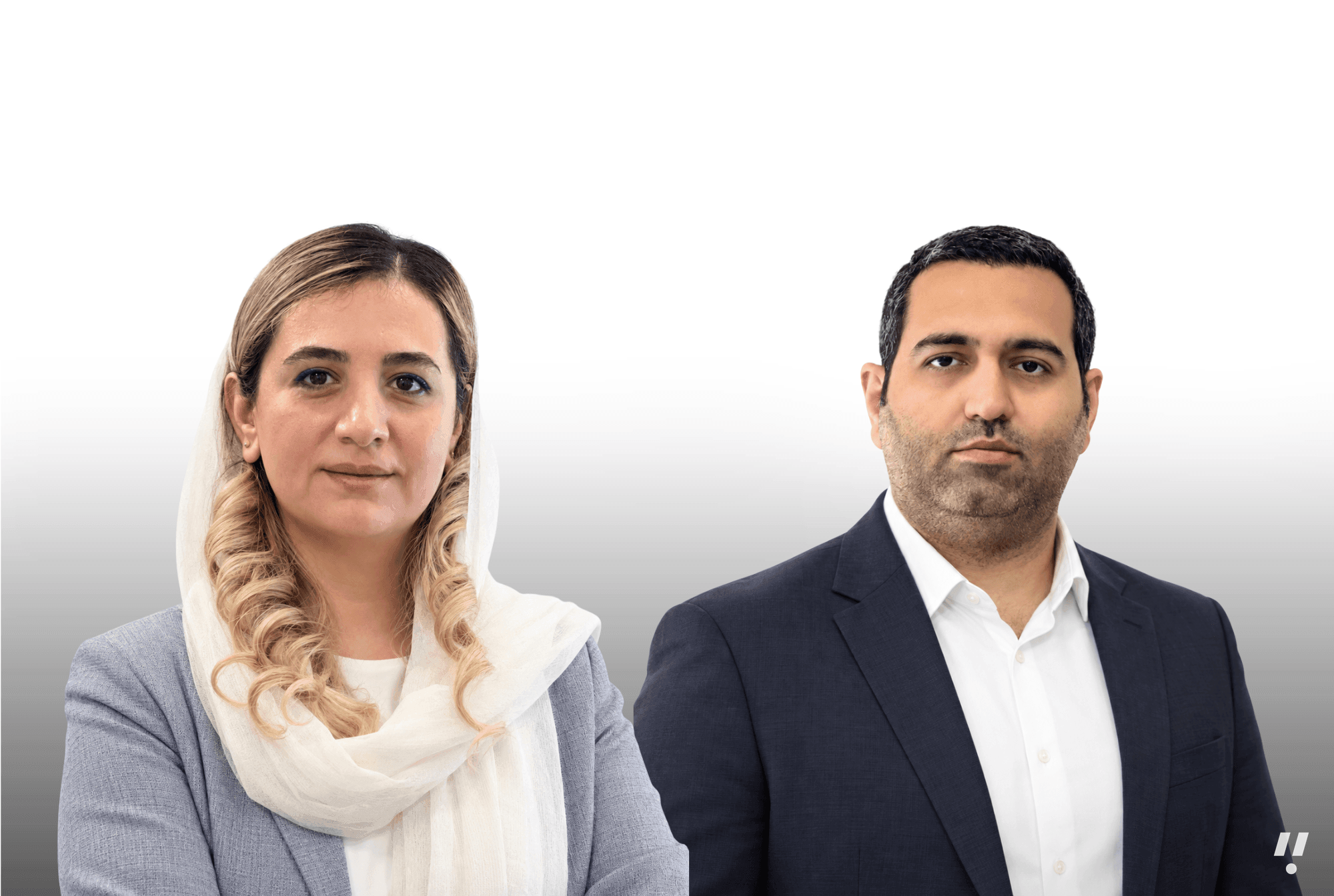
Demeter Fertility Technologies, a Dubai-based healthtech company founded in 2023, was a 2025 Future 100 winner. It develops AI-powered fertility and pregnancy health solutions for individuals and couples who need to understand, monitor and manage their reproductive health. The scope runs from early questions about fertility through to pregnancy.
The platform is built on health data that users consent to share, and converts that data into personalised fertility insights. Those insights are meant to support reproductive care matched to the person rather than pulled from a general template. Three further functions sit alongside the insight layer: risk stratification, symptom assessment and clinical document analysis.
Each covers a different part of the ground. Risk stratification sorts users by what their profile suggests. Symptom assessment tracks what they report over time. Clinical document analysis reads the test results and records patients accumulate as they move between providers. Together the three point to a workflow in which a patient's own data, given voluntarily, does work that a first consultation would otherwise do.
The DLady app
The company's consumer-facing product is the DLady app. It treats fertility as a shared journey between women and men, a framing that puts male factors into the picture from the start rather than after a female partner's tests have run their course. Support inside the app is preventive and data-driven, aimed at reaching users before costly treatments are needed. The app is available at dlady.app.
Past conception
Demeter describes its output as fertility and pregnancy health insights, which means the same consented-data model is intended to keep working after conception. That continuity is the point. The information a user builds up while trying to conceive is the information that stays relevant once pregnancy begins, and a product that holds both phases keeps a longer relationship than a single treatment decision would allow.
Consent shapes what the platform can do and how it has to handle privacy. Insights are generated from data the user has agreed to share, a condition that carries as much regulatory weight as ethical weight, since rules on health data differ from one market to the next.
The earlier end of the market
Fertility spending clusters at the far end of the journey: diagnostics, consultations and assisted reproduction, where the bills are largest and patients often carry much of the cost themselves. Demeter's platform sits at the opposite end, on monitoring and risk awareness. The commercial question is whether catching signals earlier changes what people actually do, and whether a subscription-style relationship can be sustained next to a market organised around procedures.
Male participation is the second test. A shared-journey product only delivers on its premise if men use it, and reproductive care has long been structured around women as the patients.
What the company has put in public view so far is the DLady app and the platform behind it, a 2025 Future 100 win on its record, and a Dubai base for its operations.

