Egypt Holds Key Policy Rates as Inflation Forecast Falls
The central bank kept its overnight deposit, lending, main operation and discount rates unchanged, with inflation easing and growth moderating.
Tariq Benali Tariq Benali covers business and corporate news across the UAE and MENA for Anecdoted, tracking the deals, leadership moves and regulatory shifts behind the region's companies. tariq@anecdoted.com
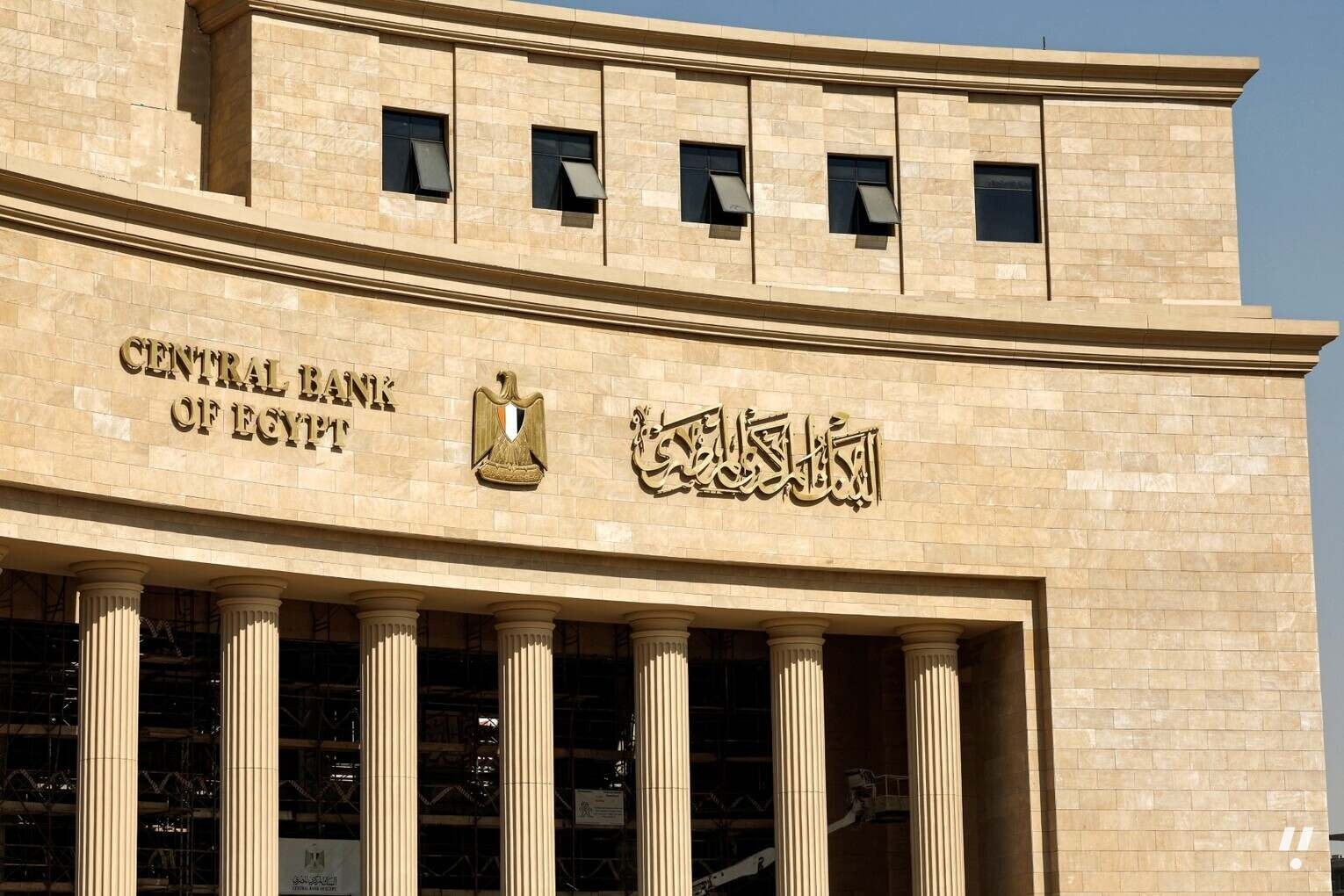
Egypt's central bank left its key policy rates untouched, keeping a restrictive stance in place as inflation cools and regional conflict leaves the outlook unsettled.
Rates unchanged
The overnight deposit rate stays at 19%, the overnight lending rate at 20% and the main operation rate at 19.5%. The discount rate also remains at 19.5%, the bank said in a Thursday statement.
The Monetary Policy Committee presented the decision as a judgment on recent and projected inflation, weighed against the changing balance of risks around that outlook.
Price growth elsewhere remains broadly elevated, the bank said, even as individual economies diverge. That split has pushed central banks toward cautious policy settings matched to their own conditions. The committee called its global outlook uncertain, exposed to prolonged geopolitical tension, tighter financial conditions and renewed disruption to supply chains.
The hold leaves those rates in place while annual price growth runs above the 7% target the bank is working toward, and it sets easing inflation against the geopolitical risk the committee says it is balancing.
A lower inflation forecast
After August's inflation readings, the committee revised its forecast down at its August meeting. Annual headline inflation is expected to hold at an average level through the third quarter of 2026, then decline gradually and meet the 7% target in the second half of 2027.
That downward revision, the bank said, reinforces a monetary stance that is already tight enough, and supports the disinflation path it projects. The committee said it will keep assessing its position against evolving economic conditions, the forecast inflation trajectory and the prevailing balance of risks. It gave no signal about the size or timing of any future move.
Growth moderates
Real activity slowed in the second quarter of 2026, with growth easing to 4.7% from 5% in the first quarter. The bank attributed the deceleration mainly to regional tensions. That second-quarter pace ran below the average for the year.
Real GDP growth averaged 5.1% in fiscal year 2025/26 and is expected to remain broadly stable near that level in fiscal year 2026/27.
Inflation eases
Annual headline inflation slipped to 14.5% in August 2026. Lower food prices drove the move, offsetting increases in electricity tariffs and housing rents.
Annual core inflation, which strips out volatile items, held broadly stable at 14.9% in August 2026, with core food, retail items and services all showing steady price developments.
Overall, the bank said price dynamics continued to reflect disinflation, supported by broad-based stability across the consumer price index basket over the previous three months.
The projected path has headline inflation converging on the 7% target only in the second half of 2027, which leaves the 19% deposit rate in place for now.

