Gulf Keystone and ShaMaran to Merge in $601 Million Iraq Oil Deal
The all-share combination would hold four Iraqi fields, produce about 53,000 barrels a day and carry a market value above $1 billion.
Tariq Benali Tariq Benali covers business and corporate news across the UAE and MENA for Anecdoted, tracking the deals, leadership moves and regulatory shifts behind the region's companies. tariq@anecdoted.com
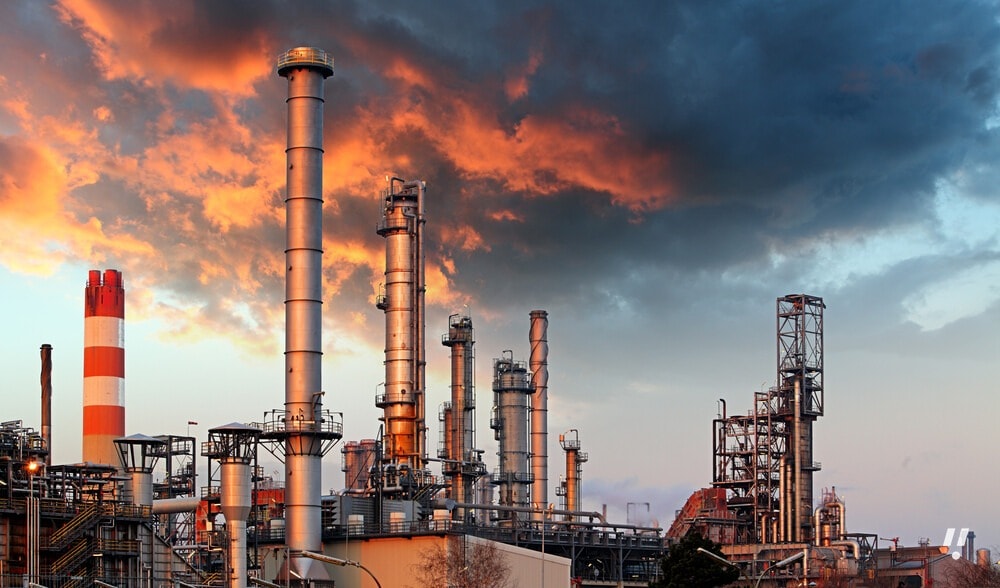
Gulf Keystone Petroleum and ShaMaran Petroleum have agreed to combine in an all-share merger that values ShaMaran's equity at $601 million, or NOK 5.7 billion. The two companies announced the deal jointly on Tuesday. It would place four Iraqi oil fields under a single owner.
ShaMaran shareholders would receive 0.07533958 newly issued Gulf Keystone shares for each share they hold. Investors in each company would end up owning roughly half of the merged business. The offer represents a 22.9% premium to ShaMaran's closing share price on October 19.
On a pro forma basis the combined company would produce about 53,000 barrels a day and hold an estimated 323 million barrels of reserves. Its market capitalization is expected to exceed $1 billion. Gulf Keystone also intends to pay its existing shareholders a $50 million special dividend once the transaction closes, subject to legal requirements and board approval. Annual administrative cost savings are put at up to $5 million.
What the combined portfolio holds
The assets span Iraq's Kurdistan region and, through a planned investment, federal Iraq. Gulf Keystone operates the Shaikan field. ShaMaran brings interests in Atrush and Sarsang, both operated by HKN Energy, plus a pending acquisition of a 25% stake in HKN Hamrin Ltd, which extends an existing partnership with HKN Energy.
Preliminary unaudited figures put combined revenue at $113.6 million for the first half of 2026, with profit after tax of $38.7 million and total assets of about $1.11 billion.
Ownership and leadership
Two large holders have already signalled support. The Lundin family owns 25.6% of ShaMaran, while Lansdowne Partners manages holdings representing about 13% of Gulf Keystone. After completion the Lundin family is expected to become the largest shareholder in the combined company with a 12.8% stake. William Lundin is proposed as nonexecutive chairman. Jon Harris, Gulf Keystone's chief executive, would continue to lead the business.
Both boards approved the proposal unanimously. Shareholder meetings are expected on December 22, and completion is targeted for mid-2027, pending regulatory approvals that include clearance from the Kurdistan Regional Government.
The structure is a statutory merger in Bermuda, where both companies are incorporated, with Gulf Keystone remaining the surviving legal entity. Gulf Keystone plans to move its primary listing to the main market of Euronext Oslo Børs and eventually to stop trading on the London Stock Exchange.
A Gulf Keystone spokesperson said the enlarged group could reach 100,000 barrels a day over time by developing Shaikan and Hamrin.
The logic is consolidation in a region where separate operators share the same export route and the same buyers. Pairing Shaikan with Atrush and Sarsang creates a single producer with enough scale to fund development drilling from its own cash flow, while Hamrin adds a foothold in federal Iraq that neither company held outright before. The listing shift points the same direction: a larger company, a new index, a different pool of investors.

