Gulf Oil Exports Climb Back to 81% of Pre-War Level on Saudi Surge
Crude, condensate and refined product flows from seven Gulf states averaged 19.2 million bpd in September, though diesel and jet fuel supplies remain far below pre-war levels.
Tariq Benali Tariq Benali covers business and corporate news across the UAE and MENA for Anecdoted, tracking the deals, leadership moves and regulatory shifts behind the region's companies. tariq@anecdoted.com
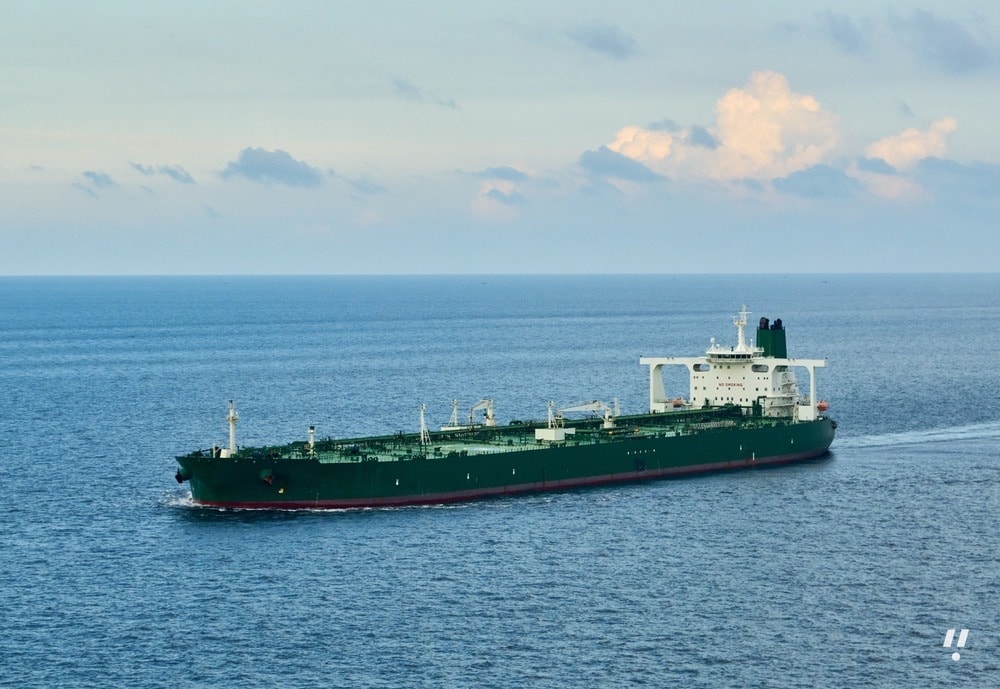
Oil and fuel shipments out of the Gulf climbed back to 81% of pre-war volumes in September, with Saudi Arabia supplying most of the increase. The flow of crude, condensate and refined products, LPG among them, from Bahrain, Iraq, Kuwait, Oman, Qatar, Saudi Arabia and the UAE averaged 19.2 million barrels a day, Vortexa data show. Iran is not counted in that total.
In the year before the war with Iran started on 28 February, the same group shipped about 23.6 million bpd. Kpler's own tracking put September's overall Gulf exports at 18.6 million bpd.
Saudi shipments carry the rebound
Saudi crude and condensate loadings rose by roughly 4.2 million bpd from August to 6.6 million bpd in September, the largest single contribution to the regional gain. On Tuesday, Energy Minister Prince Abdulaziz bin Salman said throughput on the East-West Pipeline, which terminates at the Red Sea export hub of Yanbu, had reached 5.8 million barrels.
Those barrels more than compensated for softer shipments from Kuwait and Qatar and for the collapse of Iranian exports under the US blockade. The UAE and Iraq also added volume. Combined crude and condensate exports from the Gulf producers plus Iran reached about 14.7 million bpd in September, up from 10.8 million bpd in August, Kpler data show.
Refined products lag behind
The headline figure hides a split. Crude and condensate flows touched 91% of their pre-war level of 16.3 million bpd, while refined fuel exports, LPG included, sat at just 60% of the 7.3 million bpd recorded before the conflict. That shortfall has helped keep diesel and jet fuel markets tight.
Volatility is the other problem. Vortexa analyst Claire Jungman cautioned that Gulf flows are now far more erratic than they were before the war, which raises doubts about whether September's recovery can be held. Damage to energy infrastructure and disruption to shipping across the region have not been resolved.
Trade routes have been redrawn
A separate Kpler analysis found that at least 16.5 million bpd of crude left the Middle East Gulf, Iran excluded, between 1 and 28 September, matching the pre-war average. What changed is the route. Roughly 40% of that crude now exits without transiting the Strait of Hormuz, against 17% before the war. Pipelines running across Saudi Arabia and the UAE, ship-to-ship transfers in the Gulf of Oman and Red Sea corridors carry far more of the load than they once did.
The East-West line to Yanbu, which the energy minister said had moved 5.8 million barrels, now sits at the centre of that arrangement.

