How Arabic Demand Is Reshaping Aidar Akmaev's AI Presentation Tool NOXI
Built solo in Abu Dhabi, NOXI now draws close to 40% of new presentations in Arabic, with Saudi Arabia and the UAE behind much of the audience.
Karim El-Sayed Karim El-Sayed covers company news, policy and regulation across the UAE and wider MENA for Anecdoted, with a focus on how new rules and licences reshape how startups operate. karim@anecdoted.com
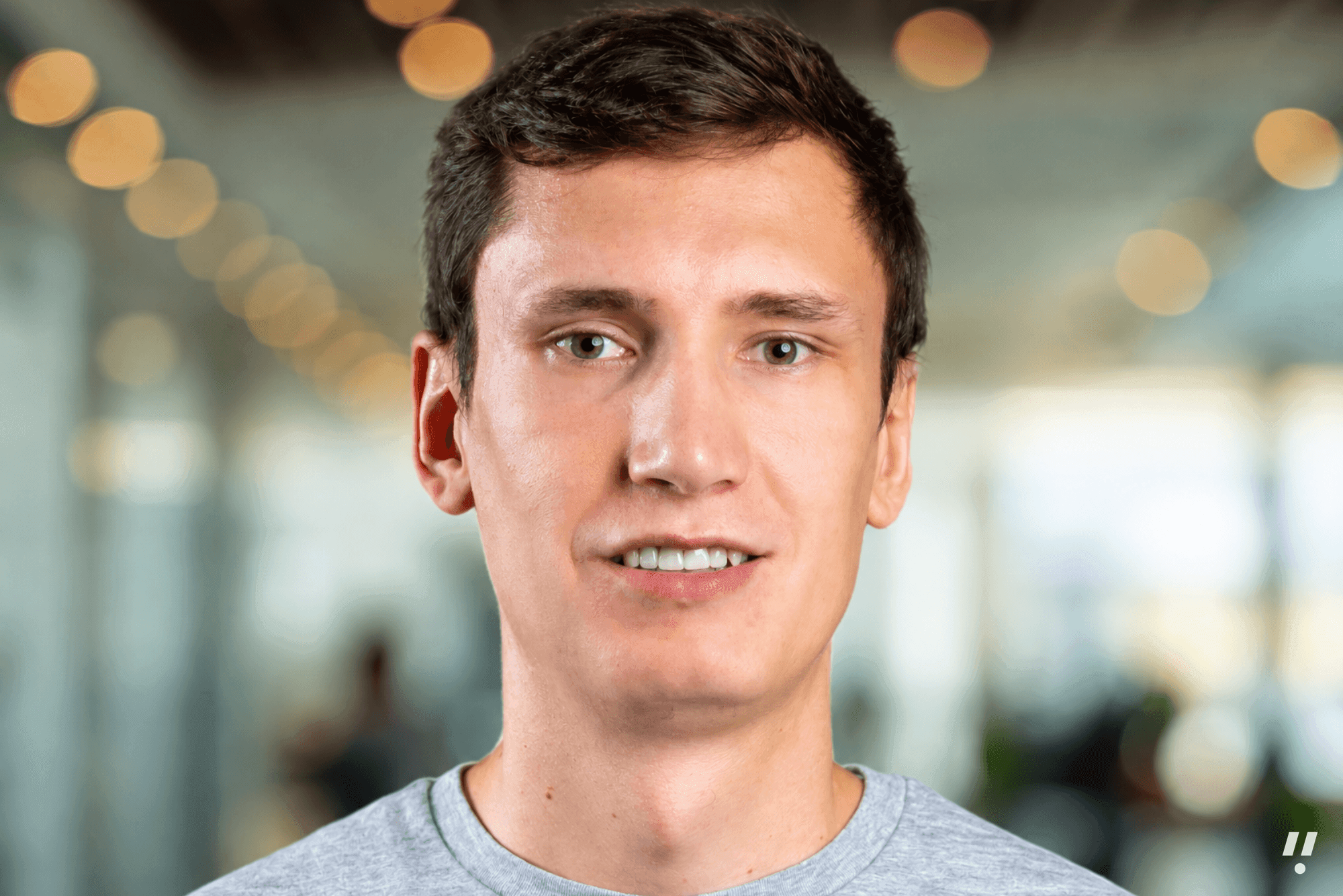
By October 2026, close to 40% of new presentations made on NOXI were in Arabic. The Arabic edition of the free AI presentation generator arrived in the first half of that year, and it was not a translated copy of the English product. Layouts and typography were built for right-to-left text from the start.
The tool was built in Abu Dhabi in 2025 by Aidar Akmaev, who runs the project alone while working full time as a senior product designer at VentureOne, the commercialization arm of the Advanced Technology Research Council. He has spent nearly a decade in design.
Akmaev's complaint about the first wave of AI slide tools is specific. The output looked as though it came from a single template. Numbers appeared without sources behind them. Files broke when a colleague tried to open them. Arabic text sometimes ran in the wrong direction.
NOXI takes a text prompt or an uploaded PDF, PowerPoint, Word or Excel file and turns it into a deck. Research citations sit on the slides themselves. There are layout options across 12 chart types. Every element can be edited by hand, or a user can ask an AI assistant to make the change. Uploading an existing company deck teaches the system its fonts, colors and layout habits. Finished work exports as editable PowerPoint or PDF, or goes out as a shared link.
Two problems consumed most of the build. The first was an export engine that keeps a slide looking the same, staying editable and holding Arabic text direction once it lands in PowerPoint. The second was giving users room to create and modify decks instead of forcing them into fixed templates. Both took hundreds of small fixes.
Mixed-language work is now the hardest part. A single sentence carrying Arabic and English together, with names, figures and technical terms inside it, needs layout repair rather than translation. Arabic, Akmaev says, "isn't an extra language in the product anymore."
isn't an extra language in the product anymore.
Growth has come without paid advertising. More than 2,000 users have signed up, starting with word of mouth among managers and teachers in Abu Dhabi before search traffic grew into a larger channel. Sign-ups rose 212% between August and September 2026, and the daily rate in October was more than double September's. Of the users who built one deck, 47% came back for a second, and about 10% have made at least five.
The regional backdrop helps explain the pull. Access to approved AI tools among Middle East workers rose 50% year over year, moving from under 40% to nearly 60%, according to Deloitte's 2026 State of AI in the Enterprise report, and 66% of surveyed organizations in the region reported efficiency gains from the technology. Approval from IT and usefulness on a real deadline are different things, though. A tool built for Arabic by one designer, adopted without a procurement cycle, shows where the demand sits.
Akmaev has written more than 80 articles in Arabic on building presentations, alongside English guides. The product stays free, with no watermark and no card required, and revenue is not an immediate concern. When a commercial model does arrive, he expects it to center on organizations rather than individuals: companies that want NOXI carrying their own branding for teams, and government bodies that need their data held in the UAE. He has already built a prototype that runs without the cloud, and he argues that organizations need to know where their data travels.
Quality and speed, data security and Arabic support are the near-term priorities, with the roadmap kept loose as AI capabilities shift. Akmaev says he would rather ship fewer features than let presentation quality slip.

