Microsoft Plans Over US$10 Billion in Middle East Cloud and AI Spending
The spending covers capital and running costs and opens in Kuwait, Qatar, Saudi Arabia and the UAE, with cable, security and training commitments attached.
Nadia Mansour Nadia Mansour covers fintech across the UAE and MENA for Anecdoted -- digital banking, payments licences and the startups building around them. nadia@anecdoted.com
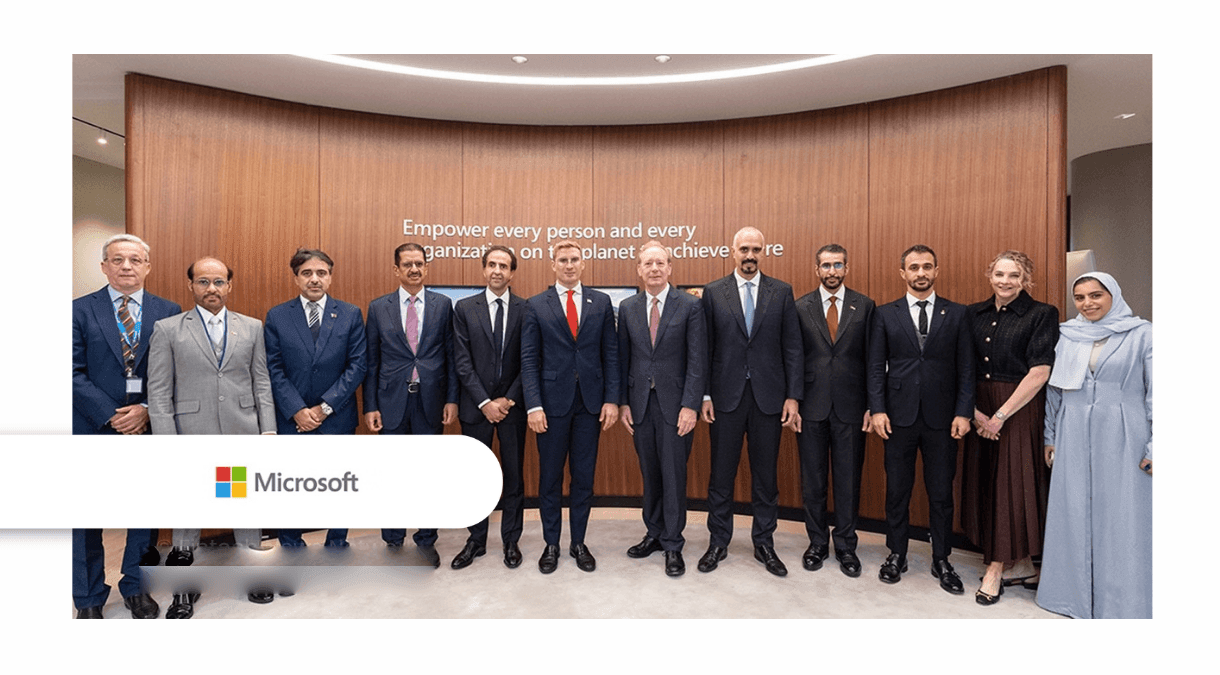
Microsoft plans to commit more than US$10 billion to the Middle East by 2030. The figure covers capital spending and running costs alike, and the programme opens in four markets: Kuwait, Qatar, Saudi Arabia and the United Arab Emirates.
Cloud and AI capacity sits at the centre of it. Microsoft has sold into the region since 1991, and the new money is aimed at the infrastructure governments and large enterprises need in order to run AI workloads locally instead of sending them elsewhere.
Cables built for redundancy
More than US$400 million of the total is set aside for subsea and land cables through the end of the decade. Additional routes are being laid so that traffic keeps moving if a single link is cut, a design choice that matters where a few narrow corridors carry most of the data moving between continents.
Control over where data sits, and confidence that it stays reachable, is what public-sector buyers are weighing. Sovereign cloud, local security teams and duplicate cable paths address the same concern from three directions, which is why vendors that can offer only part of that package find government deals harder to win.
Governments and national AI champions
Microsoft will deepen its relationships with governments and with national AI champions, naming HUMAIN, G42 and QAI. The work covers sovereign-ready cloud, AI in Arabic and other languages, and AI applied to public services.
The company will also widen its work with the Responsible AI Future Foundation, which it established with G42 and the Mohamed bin Zayed University of Artificial Intelligence. The foundation circulates responsible AI practices and testing tools.
Resilience forms the third strand. Microsoft said conflict in the region has tightened the link between digital resilience and digital sovereignty.
Security teams in each country
A regional programme will help organisations locate weak points, protect critical data and rehearse their recovery plans. Microsoft will extend its data protection and service continuity pledges to eligible governments and customers in Kuwait, Qatar, Saudi Arabia and the UAE, and will deepen its ties with national cyber agencies. Each of the four countries will have its own Microsoft security team.
Skills training runs alongside the infrastructure build-out. Microsoft has an existing goal of helping train more than 4.2 million people by 2030.

