New Path Bio Engineers Yeast to Turn Industrial Waste Into Protein
Founded in 2021 in Abu Dhabi, the biotech engineers yeast to convert low-carbon industrial side streams into nature-equivalent proteins.
Karim El-Sayed Karim El-Sayed covers company news, policy and regulation across the UAE and wider MENA for Anecdoted, with a focus on how new rules and licences reshape how startups operate. karim@anecdoted.com
New Path Bio is building a protein platform for nutrition and health, and it is doing so from Abu Dhabi, where the biotechnology company was founded in 2021. Its central proposition is to take animals out of the role of protein production and hand that job to yeast.
Three disciplines carry the work: artificial intelligence, synthetic biology and precision fermentation. Precision fermentation programs a microorganism to make a chosen molecule, then grows it in a controlled vessel. In this case the programmed organism is yeast, and the molecule is a protein the company describes as nature-equivalent, meaning the same substance made without an animal.
What feeds the process
The feedstock is the part that separates the platform from a standard fermentation run. Rather than glucose, the sugar most fermentation relies on, the company's yeast consumes low-carbon industrial side streams, the residual material left behind by manufacturing that would otherwise be discarded. Those feedstocks can cost up to six times less than glucose, according to the company, and come with more than 40 times lower greenhouse gas emissions.
The process itself is lighter too. It requires less heat and less oxygen than a conventional run, and it generates 30 percent less biomass waste.
Strain engineering
Behind the biology sit proprietary strains and synthetic promoters, the DNA sequences that govern how strongly a gene is switched on, measured at 12 times the strength of the standard version. Protein secretion is improved threefold. High-throughput screening, which tests many variants in parallel, speeds up improvement cycles by as much as 10,000 times, shortening the gap between one generation of a strain and the next.
Patents, pilots and partners
The core patent has been granted in 28 countries. New Path Bio says the technology has already been validated through pilots and through active collaborations with industry-leading partners and customers, and it points to that work as evidence of demand and commercial relevance.
Who runs it
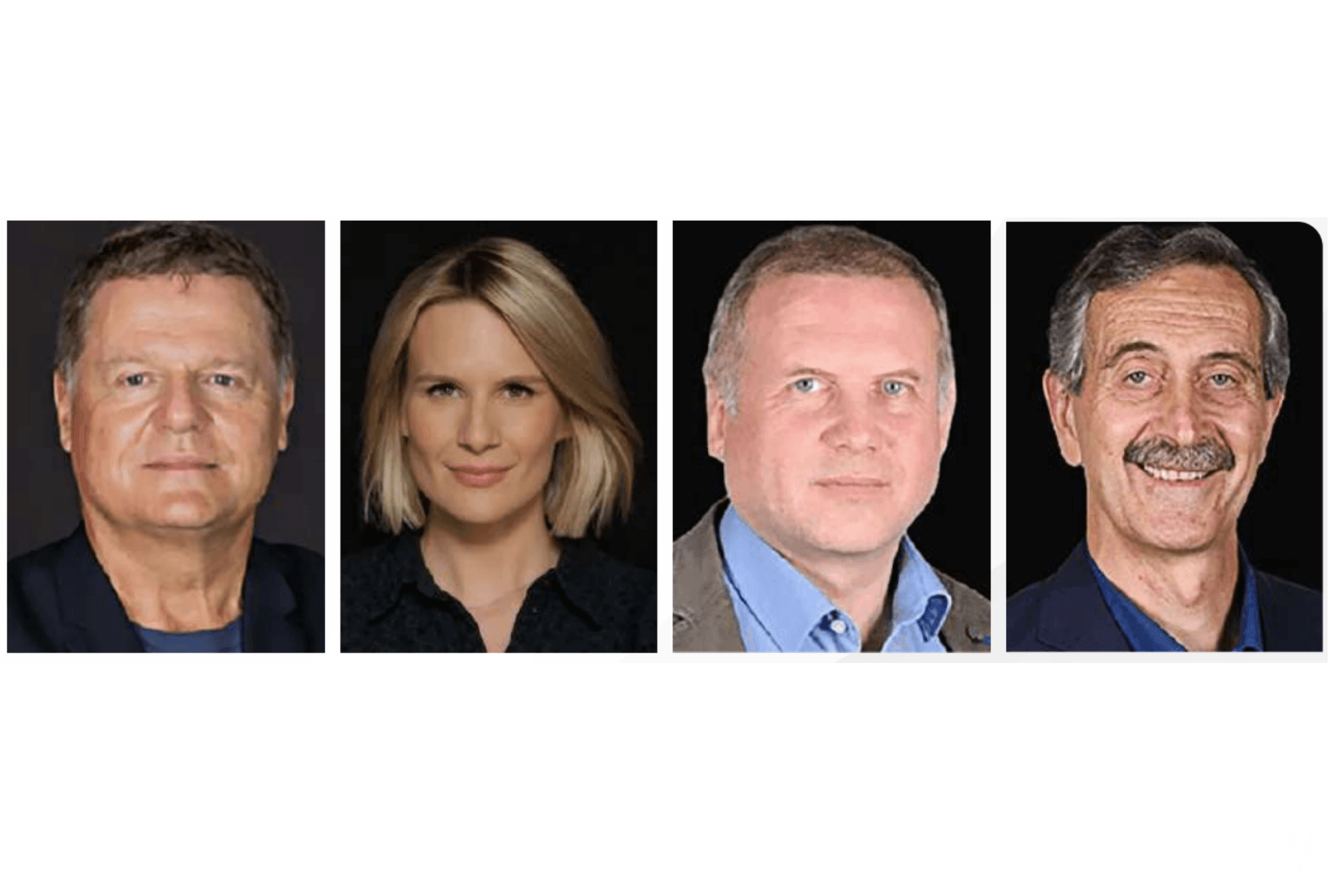
- Dr. Hans-Peter Bissinger, managing director
- Tanja Bogumil, managing director
- Prof. Dr. Diethard Mattanovich, chief platform architect
- Dr. Imre Blank, head of protein science
The commercial case rests on cost and carbon at the same time. Cheaper feedstock lowers the input bill; lower heat, oxygen and residue lower the operating burden; and a patent family spanning 28 countries gives the company room to defend the process as it scales.
The pitch, put plainly, is waste in and protein out. The pilots and customer collaborations are the test of whether that holds outside the lab.

