ONE Development's Ali Al Gebely Sees 2027 as a Delivery Test
The developer's founder expects Dubai's incoming supply to hand buyers leverage and Abu Dhabi to hold steady, with differentiation deciding what sells.

Ali Al Gebely, founder and chairman of ONE Development and ONE Holding, expects 2027 to be judged on a different measure than the years that preceded it. Delivery capability, in his view, will count for as much as the ability to attract investment.
His outlook for Dubai is a substantial wave of new residential supply arriving at once. Abu Dhabi, he says, has managed its pipeline more carefully. The two emirates have taken different routes to the same demand, and the gap sets up a market where they behave differently even against a shared regional backdrop.
The practical consequence in Dubai is leverage. Al Gebely expects buyers to gain bargaining power on smaller, investor-led units, particularly in districts where a cluster of similar towers reaches completion in the same window. When the product on offer is interchangeable, the buyer sets terms.
What still gets absorbed, he argues, is narrower and more specific: prime and waterfront living, family-sized homes and projects with a genuine point of difference. In Abu Dhabi he expects established island and waterfront communities to hold firm as more people choose to live in the capital rather than commute into it.
The dividing line he draws runs through product type rather than geography. Generic and differentiated stock will part ways, in his reading, whichever city it sits in.
A delivery year, not a launch year
ONE Development's portfolio stretches across Dubai, Abu Dhabi and Cairo. Al Gebely frames 2027 as a delivery year, with the bulk of investment going into finishing committed projects in the UAE and Egypt while the pipeline grows in both markets.
That discipline extends to expansion. He sets four conditions before entering a new market: land secured through a partner with local knowledge, a regulatory framework that protects buyers, demonstrable demand for technology-integrated living, and enough confidence in the company's ability to control quality and delivery. All four, or no move.
Al Gebely founded ONE Development in 2023. Artificial intelligence already runs through how the company plans, designs, prices and sells, he says. A digital sales layer gives buyers instant answers on availability, payment options and documentation in English or Arabic at any hour, which removes much of the back-and-forth that slows a decision.
What is still to come is a smart-living layer that begins after handover: predictive maintenance, energy optimisation, drone delivery and access to air taxis. The company is threading the infrastructure for those services into its buildings now, so the stock is ready when the wider ecosystem and the regulations catch up. Building for a service that does not yet exist at scale is a bet on timing, and it is one he is making in concrete rather than in renders.
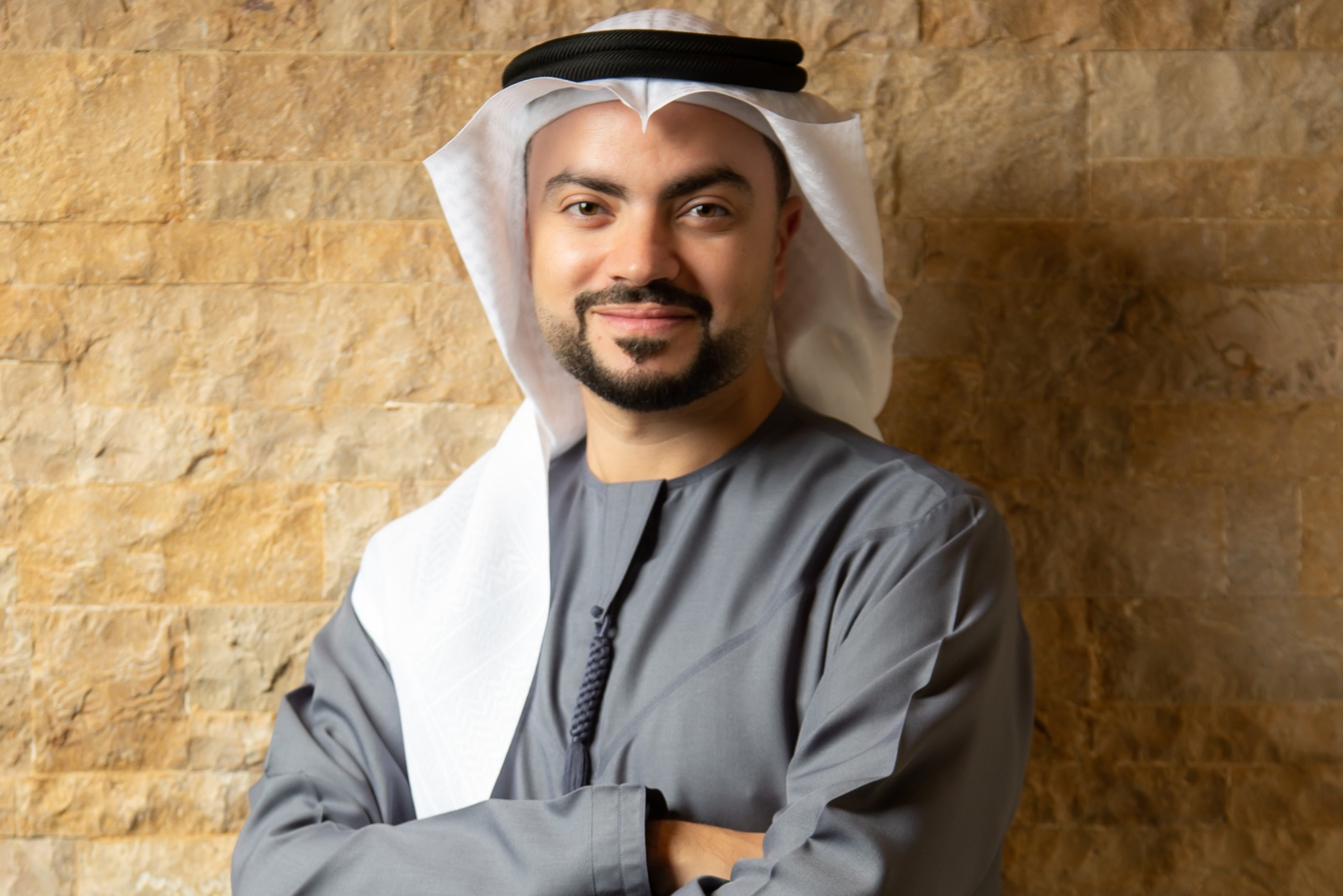
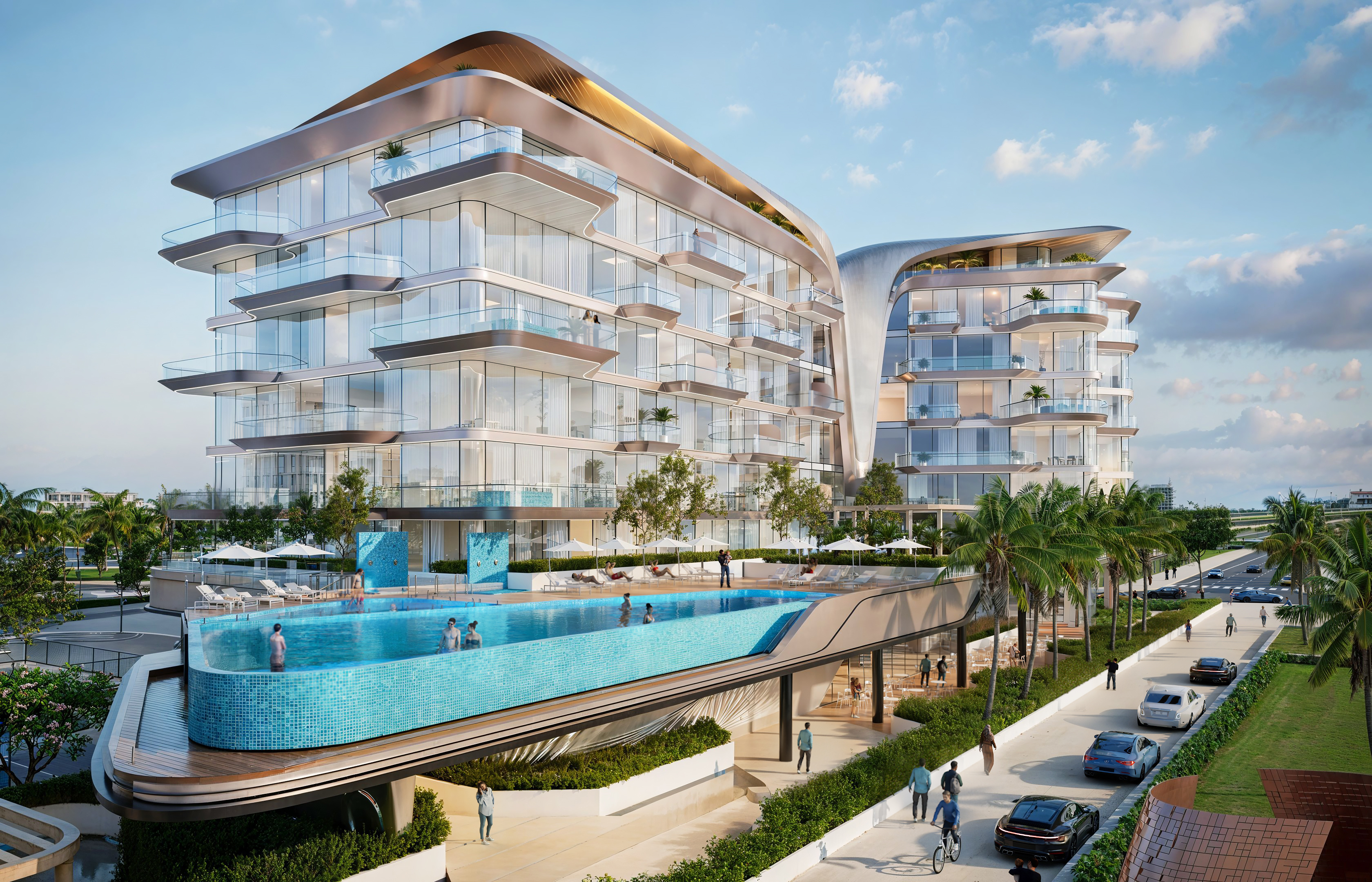
Laguna Residence, a twin-tower community in Dubai's City of Arabia valued at more than AED2.3 billion, holds 1,492 apartments around a large podium lagoon. Its first phase sold out in less than a month. ONE Residence in Abu Dhabi also achieved a sellout.
What buyers ask now
The buyer base was international from the start, with investors from Asia, Europe and the region buying alongside UAE residents within the first weeks. Since then the mix has shifted toward people who intend to live in the home or hold it long term. They ask sharper questions about the developer, the contractor, the payment plan and the handover, and fewer about short-term returns.
That change has fed into product decisions: more family-oriented layouts, more premium finish options and technology chosen for everyday use rather than for the sales pitch.
In Egypt, ONE Development's projects include the DO Hotels concept developed with the Egyptian music star Amr Diab, and construction there has commenced.
Across the three markets, Al Gebely says construction is well underway and the site active daily in Dubai, progressing on schedule in Abu Dhabi, and begun in Egypt. Sales have been strong in all three, he says, and the projects are advancing toward committed handover timelines. His stated principle is to start building soon after launch rather than to wait for certainty.
His hardest call came during the regional geopolitical uncertainty of 2026: whether to hold launch and construction plans to schedule or pause until the picture cleared. He says many in the region chose to wait. Al Gebely credits the UAE's leadership, stability and long-term vision with giving him the confidence to keep going. The company funded construction progress independently of how quickly units sold and protected its construction timelines. With hindsight, he says he would make the same decision again.
Developers in the region commonly pace building against buyer collections, which makes a pause look safer when sales slow. Funding the work from elsewhere changes what a company can promise about handover, and when.
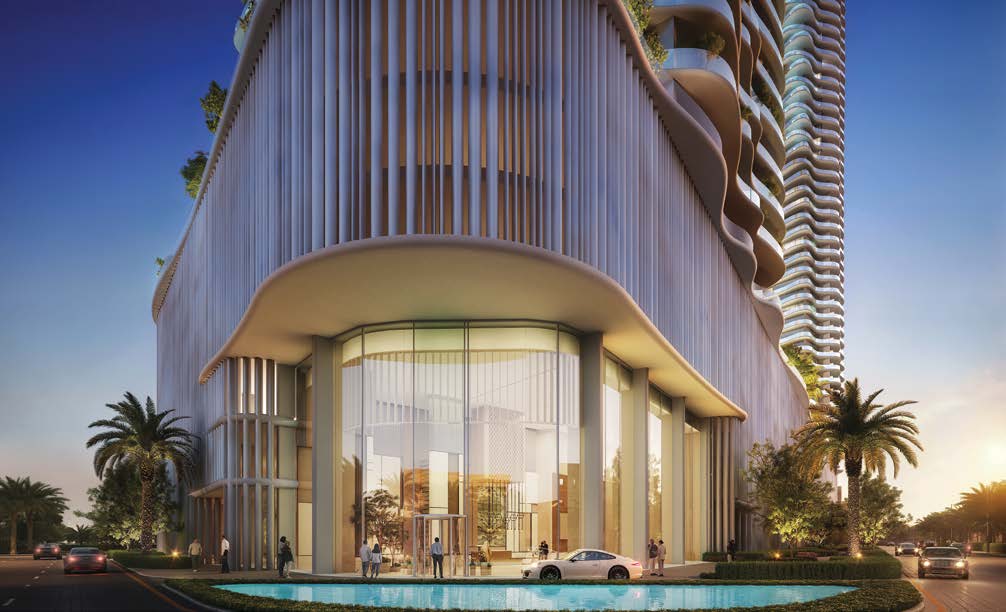
Al Gebely brings more than 20 years of leadership experience across energy, investment and other industries. He is managing director of EHC Investment and has held senior executive and board positions at Al Fanar Gas Group. Earlier roles include managing director and group CEO of Ethmar Holdings. The wider family business has a 44-year history, which he says supplies contractor and supplier relationships, the financial strength to start construction early and experience that a new developer rarely has.
He also set aside the traditional rule of building quietly. A young brand, he argues, needs to be seen and heard. He describes the Abu Dhabi launch as bold and high-profile, and it sold out.
His advice to founders is to prove four things before launch: clean land ownership and approvals, construction funding that does not depend on sales pace, real demand at their price point, and a contractor with a track record at their scale. The most common mistake he sees is designing the launch before the delivery, leaving projects underfunded halfway through construction.
He warns that developers price on market sentiment, sell renders and agree payment plans that leave the build short of money. Withstanding a shift in the market, in his account, takes realistic demand assessments, disciplined planning, dependable contractors and a long-term sense of responsibility for the property after it is handed over.
"Buyers trust what they see on site far more than what they see in a brochure," he says.
Buyers trust what they see on site far more than what they see in a brochure,


