Richard Fitzgerald's Augustus Media: The Road From Dubai to $100M
How Augustus Media founder Richard Fitzgerald turned a Dubai city site into one of the region's largest independent digital groups.
Karim El-Sayed Karim El-Sayed covers company news, policy and regulation across the UAE and wider MENA for Anecdoted, with a focus on how new rules and licences reshape how startups operate. karim@anecdoted.com
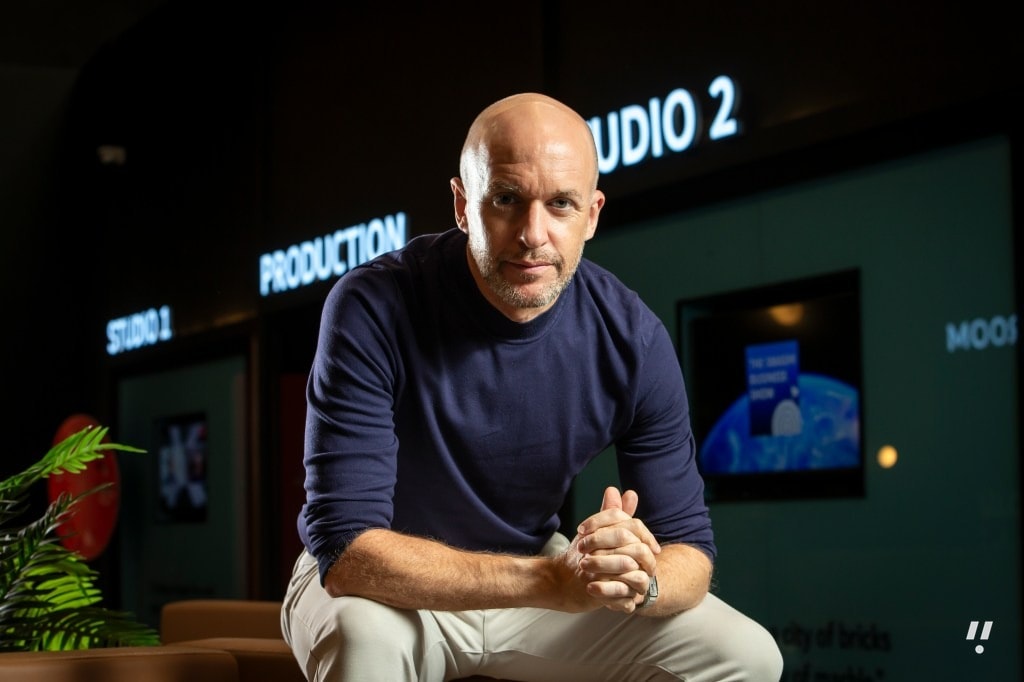
Richard Fitzgerald launched Augustus Media in 2015 with Lovin’ Dubai, but his goal was not simply to publish another website. He wanted to disprove an idea that had become common in the industry: independent Arab media could not work as a business.
He started with a different assumption. A publisher in the region could be commercial, profitable, and run with real operational discipline, without relying on government support, legacy structures, or endless investment. Fitzgerald came from a WPP background and describes his approach as intrapreneurial rather than startup-minded. He acted like an employee accountable to the business, took annual leave from the start, delayed giving himself the CEO title, and built governance before investors asked for it.
Scale Built on the Same Systems
That mindset shaped Augustus as it scaled. Monthly leadership updates, quarterly management meetings, and consistent processes remained in place whether the company had two employees or more than 140. The group now operates in more than 30 cities, with a portfolio that includes Lovin’ city sites, Smashi’s dozen verticals, ODEUM, and other brands spanning news, business, lifestyle, entertainment, and sport. Fitzgerald says the mission remains what it was: a locally led, independent media company that keeps revenues in the region.
The early years were not easy. The first three years went month to month. When the pandemic stopped advertising in March 2020, Augustus chose to keep publishing and protect its team rather than gut the operation. Trust built during that period paid off when advertisers returned.
Audience First, Platforms Second
The company’s operating principle has been audience first. Fitzgerald says Augustus builds communities, not publications. Lovin’ creates belonging, Smashi serves ambitious professionals, and the platform is only a vehicle; the audience is the asset. Timing matters less than knowing who you publish for.
No Legacy, and No Interest in One
Augustus also has clear boundaries about what it will not do. It started digital, so there is no legacy infrastructure to transform and no Head of Digital; content leads the operation. Fitzgerald has stayed away from radio and traditional broadcasting, and instead pushed into podcasts, streaming, social-first publishing, and AI-assisted production.
AI was part of that early bet. Augustus used AI-powered camera systems to cover thousands of sporting events without a typical production crew, before generative AI became a mainstream topic. Fast Company later recognised the company’s work in AI-driven production. Fitzgerald treats AI as a productivity tool, a content engine, and ultimately a business model, but he says audiences need time to trust it.
Localisation Is the Expansion Strategy
Expansion follows localisation rather than spread. Fitzgerald argues the Middle East cannot be treated as a single market, and that one voice cannot speak to 22 Arabic-speaking countries. So Augustus builds local teams before launching communities, with growth reaching Saudi Arabia, Egypt, Qatar, Bahrain, Oman, Pakistan, and the Levant. The company has also moved into regional sports media rights, making it more of a sports business than a publisher alone.
Compounding Toward $100 Million
Fitzgerald’s ambition is compounding, not explosive. One title grew to five, then twenty, then more than forty brands. He wants Augustus to pass $30 million in revenue by 2030 and eventually become a $100 million media company, without a radical change of course. The same disciplined execution that built the business is what he expects to carry it forward. His advice: own the relationship with the audience, because that is what lets a media company survive over the long term.

