Saudi Healthcare Poll Picks AI as Top Driver, Patient Outcomes as Success Test
Attendees at a Riyadh healthcare summit put AI and digital health first among transformation drivers while measuring success in patient results and access.
Tariq Benali Tariq Benali covers business and corporate news across the UAE and MENA for Anecdoted, tracking the deals, leadership moves and regulatory shifts behind the region's companies. tariq@anecdoted.com
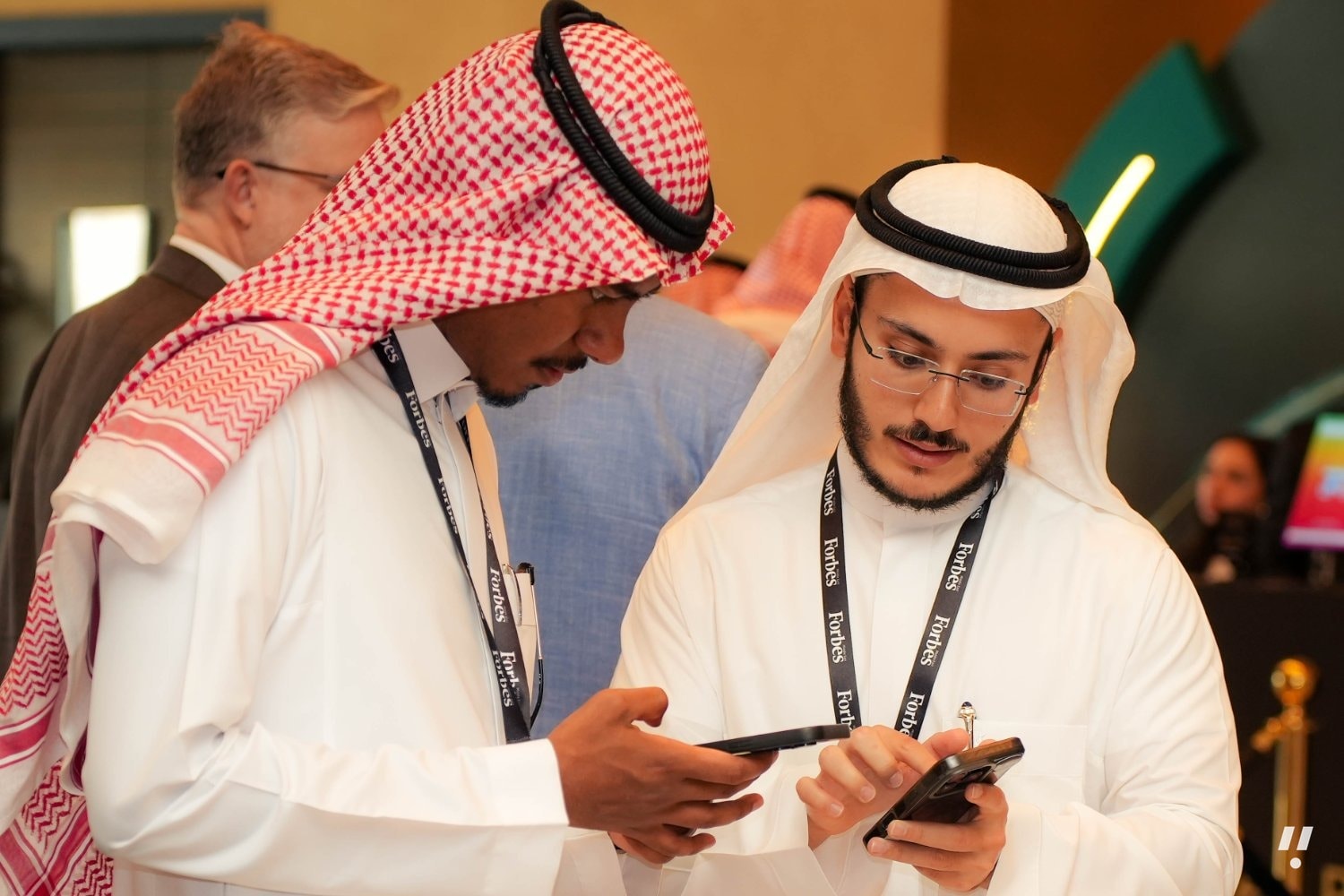
Attendees at a healthcare leaders summit in Riyadh named artificial intelligence and digital health as the force most likely to reshape Saudi healthcare over the next five years. The finding comes from an audience poll of 1,000 participants conducted on September 13 at the second edition of the event.
AI and digital health drew 42.41% of responses, more than any other option. Private-sector investment and public-private partnerships followed at 26.58%. Localization of medicines and manufacturing took 13.92%, prevention and population health 10.13%, and workforce and clinical capability 6.96%.
When the same audience was asked where money should go for long-term healthcare value, the ranking shifted but the top answer did not. AI, data, and digital platforms led at 29.01%; biotechnology and life sciences research and development came second at 26.54%, a gap of roughly two and a half points. Talent and clinical excellence drew 19.75%, hospitals and healthcare infrastructure 17.90%, and local pharmaceutical manufacturing finished last at 6.79%.
Success measured at the bedside
Asked what would count as the clearest sign of success, attendees largely pointed to patients rather than institutions or industries. Better patient outcomes took 43.33%, and greater access to high-quality care took 27.33%. Patient-focused measures together accounted for 70.66% of responses.
The remaining answers split across broader ambitions. Global leadership in healthcare innovation drew 17.33%, a stronger domestic life sciences industry 6.67%, and greater private-sector participation 5.33%, the lowest share of the set.
The priorities revealed by the two questions do not line up neatly. Local pharmaceutical manufacturing was named by 13.92% as a forthcoming driver of change, yet only 6.79% wanted it funded first — the widest gap between expectation and preference in the results. Private investment carries similar weight as a driver, at 26.58%, but ranks last as a marker of success. Capital entering the sector and the sector visibly succeeding are, in this audience's view, separate things.
One reading: the people closest to delivery appear to treat money and machinery as inputs and patient results as the output that matters. Another: the summit floor, not the country, produced these numbers.
What the poll does and does not cover
The results reflect the views of attendees who took part and are not representative of the Saudi population or the healthcare sector as a whole. A conference audience tends toward senior and specialized roles, so the responses are best read as a snapshot of that group.
Two points nonetheless stand out. The 42.41% showing for AI and digital health sits well clear of every other driver category, and the near-tie between AI platforms and biotechnology R&D as investment targets suggests the audience sees the analytical layer and the laboratory layer as complementary rather than competing.
The patient-outcomes result is arguably firmer ground. At 70.66% combined with access to care, it leaves little room to argue that this group defines achievement in bed counts, procurement wins or the size of the domestic life sciences industry.

