The Trust Question: Dr. Shadi Dawi on Governing AI in the Age of Generated Everything
Dr. Shadi Dawi says AI adoption has outrun governance. Trust will decide which organizations win as generated content spreads.
Karim El-Sayed Karim El-Sayed covers company news, policy and regulation across the UAE and wider MENA for Anecdoted, with a focus on how new rules and licences reshape how startups operate. karim@anecdoted.com
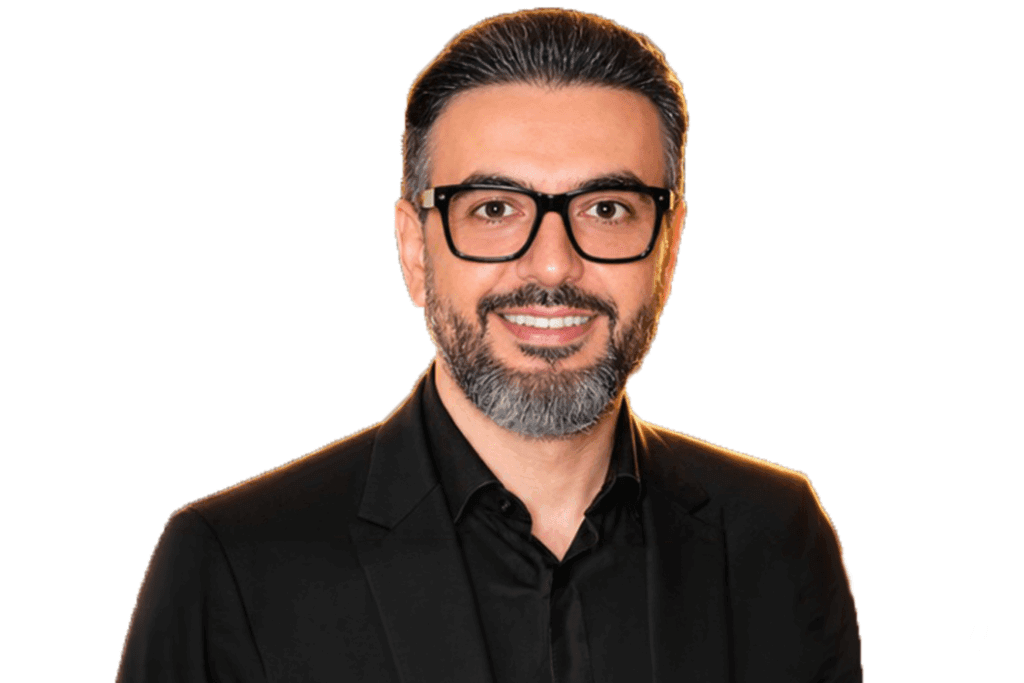
Dr. Shadi Dawi, a Dubai-based AI and communications strategist, argues that AI adoption has moved much faster than AI governance. Production speed shows the gap. Tasks that once took hours or days — drafting press releases, executive statements, reports, social media posts, crisis communications — now take minutes.
Approval and verification systems have not kept pace. Language from AI sounds convincing, so organizations may mistake efficiency for reliability, even when it gets facts wrong, misses context, or carries bias. Accountability stays human. "AI generated it" cannot be an acceptable excuse. Organizations choose the technology, decide deployment, and approve what the public sees. AI can support judgment, but it cannot replace responsibility.
The UAE sits at the global forefront of AI and technological innovation. Corporate communications there cross many nationalities, languages, and cultures, so an accurate statement can still miss cultural nuance. Dr. Dawi says responsible AI must understand context, culture, and consequence.
His argument follows two years of doctoral research. He received a Doctorate of Business Administration with Premium Distinction from ESC Clermont School of Business in France. His dissertation, AI Truth: A Framework for Governing AI Generated Content in UAE Corporate Communications, explored how organizations can capture generative AI's productivity benefits without sacrificing credibility, accountability, or public trust. The research drew on a survey of 160 UAE communications professionals and interviews with 15 senior executives.
The framework he built rests on four pillars. Data Accuracy and Verification: AI output must be verified, not automatically trusted. Cultural Resonance and Bias Mitigation: models trained on global data cannot automatically grasp UAE or Middle East nuances. Moral Governance and Disclosure: human responsibility stays attached to what AI produces. Signal over Flooding: AI removed content scarcity while audience attention did not grow; more content creates noise, and standout organizations produce relevant, credible, meaningful material.
A three-member jury praised both the research and presentation at his defense, recommended it as a reference for future candidates, and urged publication in indexed scientific journals. Dr. Dawi plans to develop AI Truth further into a practical framework, potentially with communications leaders, companies, academics, and policymakers.
Audiences may soon not know whether a statement came from a CEO, a communications team, or an AI model. Competitive advantage will shift toward trust. Companies that shun AI risk falling behind; companies that embrace it without governance risk eroding years of credibility. Winners adopt AI aggressively and govern it responsibly. Content may be generated by a machine, but trust belongs to the organization.
The practical consequence is that trust cannot be automated. A model does not carry the consequences of a failed message; the organization does, because it made the choices. That is why Dr. Dawi's framework attaches verification and responsibility to every stage of production.
The original article was written by Wissam Younane, founder and CEO of BNC Publishing, a Dubai-based media executive and entrepreneur. It appeared on August 27, 2026.

