UAE retakes top Middle East fuel oil exporter spot as Fujairah supplies recover
Fujairah has rebuilt fuel oil stocks after the second-quarter disruption, lifting UAE exports above 1.4 million tons in September and restoring the country's position as the region's largest supplier.
Tariq Benali Tariq Benali covers business and corporate news across the UAE and MENA for Anecdoted, tracking the deals, leadership moves and regulatory shifts behind the region's companies. tariq@anecdoted.com
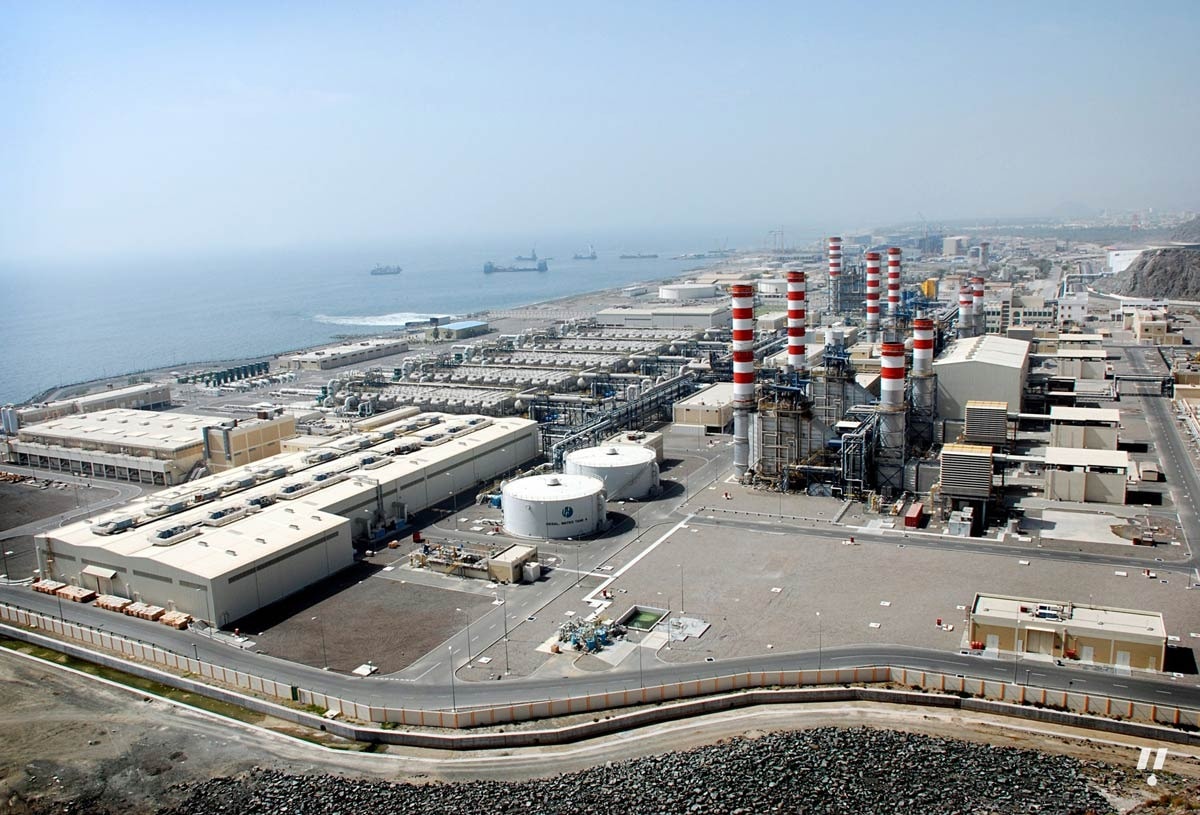
Fujairah has rebuilt its fuel oil stocks over recent months, allowing the UAE port to resume refuelling ships and send more cargo toward Asia. The port sits outside the Strait of Hormuz and ranks among the world's largest bunkering hubs.
Imports reached 2.6 million metric tons in the third quarter, a rate of roughly 180,000 barrels a day. That is more than three times the 845,000 tons the country brought in across the whole of the second quarter, according to data from Kpler.
September's intake alone came to 856,000 tons, up from 715,000 tons in August and larger on its own than the entire second-quarter total. February, at 1.7 million tons, remains a level the port has not returned to.
Sales at the hub fell sharply in the second quarter. The regional conflict that began in late February cut off resupply from producers inside the Gulf.
Back on top
With stockpiles recovered, the UAE has again become the Middle East's biggest fuel oil exporter, Kpler's data show. Syria had briefly taken that position in the second quarter, after Iraq rerouted its shipments to Baniyas.
UAE exports passed 1.4 million tons in September, the strongest month in more than a year. Southeast Asia took most of the volume.
Saudi Arabia displaces Kuwait as lead supplier
Saudi Arabia became the largest supplier into Fujairah in July and August, taking over from Kuwait, which had led before the war. Aramco Trading Company ran a tender for cargoes loading in October to move additional fuel oil, trade sources said. Some cargoes arrived with no declared origin, delivered through ship-to-ship transfers in the Gulf of Oman.
"Middle East refinery runs have improved and producers are using ways to get products out, particularly fuel oil, including dark activity, shuttle runs and ship-to-ship transfers," said Emril Jamil, a senior research manager at Kpler.
Russia also became a significant source for the port in September. A low-sulfur straight-run cargo from Nigeria's Dangote refinery and a high-sulfur fuel oil shipment from Pakistan are both due to arrive in October.
Bunker sales still short of pre-war levels
Marine fuel sales have picked up in recent weeks but remain below where they stood before the fighting. After record lows in the second quarter, bunker sales rebounded in July and then dipped slightly in August, according to S&P Global data.
Onshore residual fuel inventories averaged 4.5 million barrels a week in September, up from 3.9 million barrels a week in August. That is roughly half the pre-war figure of about 9 million barrels a week.
Prompt supply stayed tight, above all for very low-sulfur fuel oil. Before the war, most VLSFO came from Vitol's refining plant in Fujairah, from Kuwait and from Europe.
Dan-Bunkering, a bunker supplier and trader with operations at the port, said in a note that VLSFO premiums are edging higher on limited cargo availability, and that additional cargoes expected in October should help ease the market. HSFO remains well supplied, with premiums under pressure, and bunkering at the port is running normally despite the regional tensions.

