AD Ports Takes Control of Brazil's CLI in $835M Deal, Its Largest to Date
The Abu Dhabi group gains two sugar and grain terminals at Santos and Itaqui, its first operating asset in South America.
Tariq Benali Tariq Benali covers business and corporate news across the UAE and MENA for Anecdoted, tracking the deals, leadership moves and regulatory shifts behind the region's companies. tariq@anecdoted.com
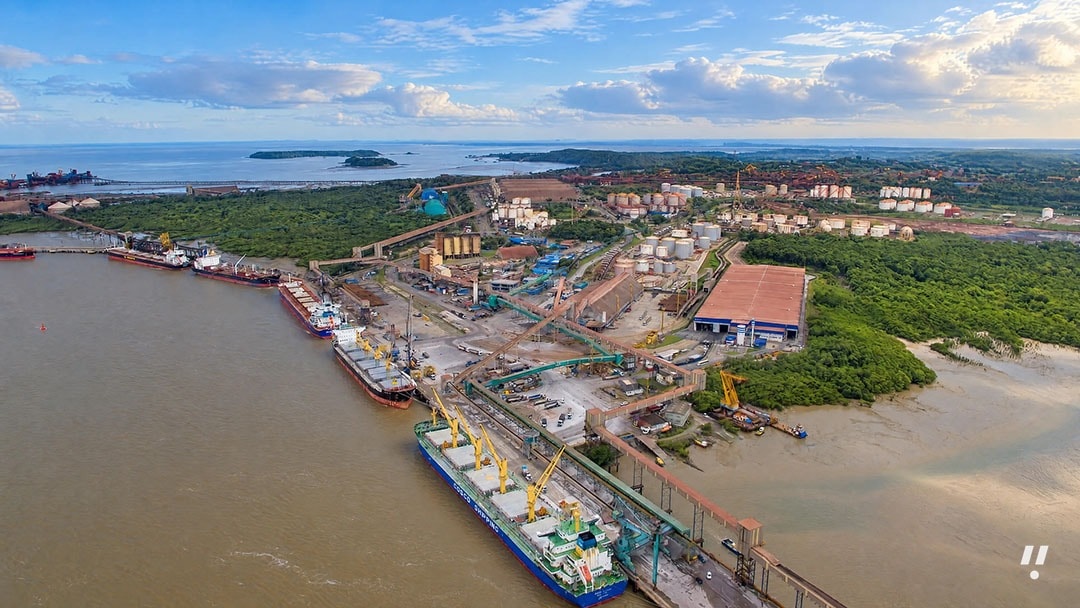
AD Ports Group has taken operational control of Corredor Logística e Infraestrutura, the Brazilian agri-bulk terminal operator, after paying $835 million, or AED 3.1 billion, for the business. It is the largest deal the Abu Dhabi company has struck, and the first time it has run an asset in South America.
Brazilian regulators cleared the transaction before closing. The National Waterway Transportation Agency, known as ANTAQ, and the Administrative Council for Economic Defense, or CADE, both gave their approval.
Ownership passed from funds managed by Macquarie Asset Management and IG4 Capital, which agreed to sell last June. CLI now sits inside AD Ports' international portfolio, held through Noatum Ports, the group's overseas ports division.
Two terminals, two export corridors
CLI operates a pair of sugar and grain export terminals. CLI Sul, at the Port of Santos, handles sugar, corn and soybeans. CLI Norte, at the Port of Itaqui, forms part of the northern agricultural export corridor known as the Arc of the North. Together they connect Brazil's main farming regions to buyers abroad, and both will keep running under the long-term concessions already in place.
For AD Ports, the purchase secures a position in one of the largest agricultural export markets in the world. Mohammed Al Tamimi, chief executive of Noatum Ports, said it strengthens the group's presence in a market that matters for agricultural exports and gives CLI a platform for its next phase of development.
Routes into Abu Dhabi
The terminals slot into AD Ports' agrifoods business and add Brazilian farm export flows to a network that spans ports, shipping and logistics assets.
AD Ports plans to build direct trade routes linking Brazil with Khalifa Port in Abu Dhabi and with the Abu Dhabi Food Hub at KEZAD, which the company describes as the largest food hub in the region. Commodities shipped along those lanes could reach buyers across the Middle East and further afield.
That routing adds a new commodity flow to a network now reaching the Indian Subcontinent, East Africa and Southeast Asia, and pulls Brazil's exporters closer to the group's existing operations. Agricultural trade is the through-line: CL's terminals sit at the export end of supply chains that begin on Brazilian farms and finish in importing markets, and the planned lanes would give those volumes a settled path into the Gulf.

