Bekia raises $765,000 seed round to build B2B recycling software
Madica led the round, with Catalyst Fund returning and Jambaar Capital joining; Bekia will expand its engineering team and test its model in a second African market.
Anecdoted Desk Anecdoted Desk covers rolling funding rounds and startup news across the UAE and MENA -- the wire for deals as they're announced. team@anecdoted.com
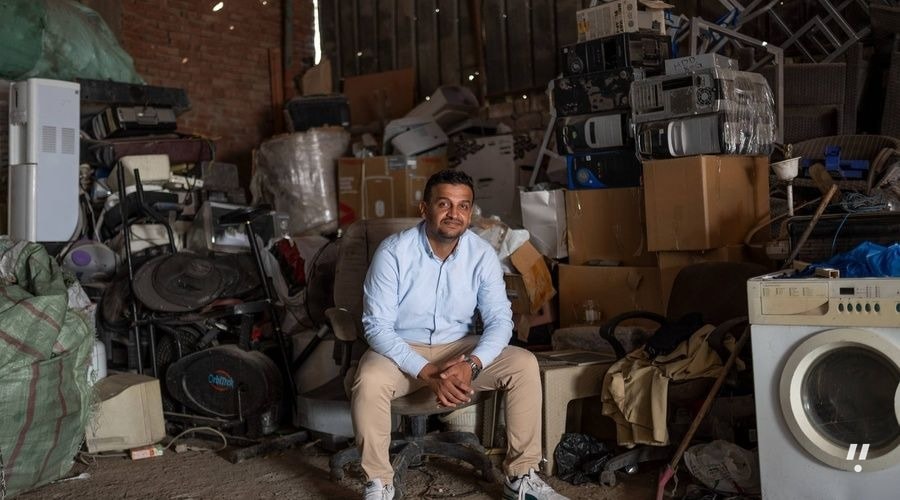
Bekia, an Egyptian startup that digitises waste collection, has raised $765,000 in seed funding. Madica, the Africa-focused investment programme tied to Flourish Ventures, led the round. Catalyst Fund, a pan-African climate investor that first backed Bekia in 2023, returned, and Dakar-based Jambaar Capital took part.
The money arrives as Egyptian regulators push for change. The country generates roughly 60,000 tonnes of municipal waste every day, and most of it ends up in open dumps instead of recycling plants. The government wants a 60% municipal recycling rate by 2027, against about 37% in 2024. Nearly all collection today runs through an informal trade with no contracts, licences or records.
From household pickups to a data record
Alaa Afifi, a Cairo University computer science graduate, founded Bekia in 2019. Its consumer app lets a household book a pickup. A collector arrives at an agreed time, weighs the material on the spot at a published rate, and pays into a bank account or digital wallet. Every transaction logs the supplier, weight, grade and payment.
That record, Afifi argues, is the product. Recyclable material is a commodity, but documentation of it is not, and nobody in Bekia's market has claimed that role yet. In his telling, Egypt never lacked demand for recyclables. It lacked a link between the households holding the material and the factories that want it.
Bekia says it has kept more than 25,000 tonnes out of landfill, served over 100,000 customers, 97% of them women, and allowed more than 2,400 people to earn through its network. Enterprise retention sits above 95%, and the company has grown more than sevenfold since 2023. It earns from enterprise contracts, household collections and refurbished electronics, a line that brought in its first revenue in June 2026.
Bekia Next and a second market
At the end of October the company will launch Bekia Next, which converts collection data into verified CO₂-avoidance certificates for corporate clients, using established international carbon accounting methodology. It is Bekia's first subscription offering rather than a service. The funding will also go toward expanding the engineering team and testing the model in a second African country.
Its competitors are traditional contractors, which move material without documenting it, and the informal collectors who handle most of Egypt's recyclable volume.
Investors
Emmanuel Adegboye, head of Madica, said the team's firsthand knowledge of Egyptian waste collection is what drew the programme, which backs companies with long-term capital, company-building help and networks. Maxime Bayen, a partner at Catalyst Fund, said the re-investment reflects a conviction that Bekia can become critical climate infrastructure for Egypt and the region. July Andraous, managing partner at Jambaar Capital, said commercial growth and impact creation are structurally the same thing at Bekia, pointing to real traction and improving unit economics.
Afifi expects tightening reporting obligations on multinationals operating in Egypt to shift the market. Companies able to show what became of their waste, he said, will be worth more than those that merely took it away.

