Breidy and Gambrell Launch BRDG House to Tie Brand and Trust to Development Value
The founders say brand, commercial and development decisions have to be aligned from the start, not resolved after a project reaches the sales gallery.
Karim El-Sayed Karim El-Sayed covers company news, policy and regulation across the UAE and wider MENA for Anecdoted, with a focus on how new rules and licences reshape how startups operate. karim@anecdoted.com
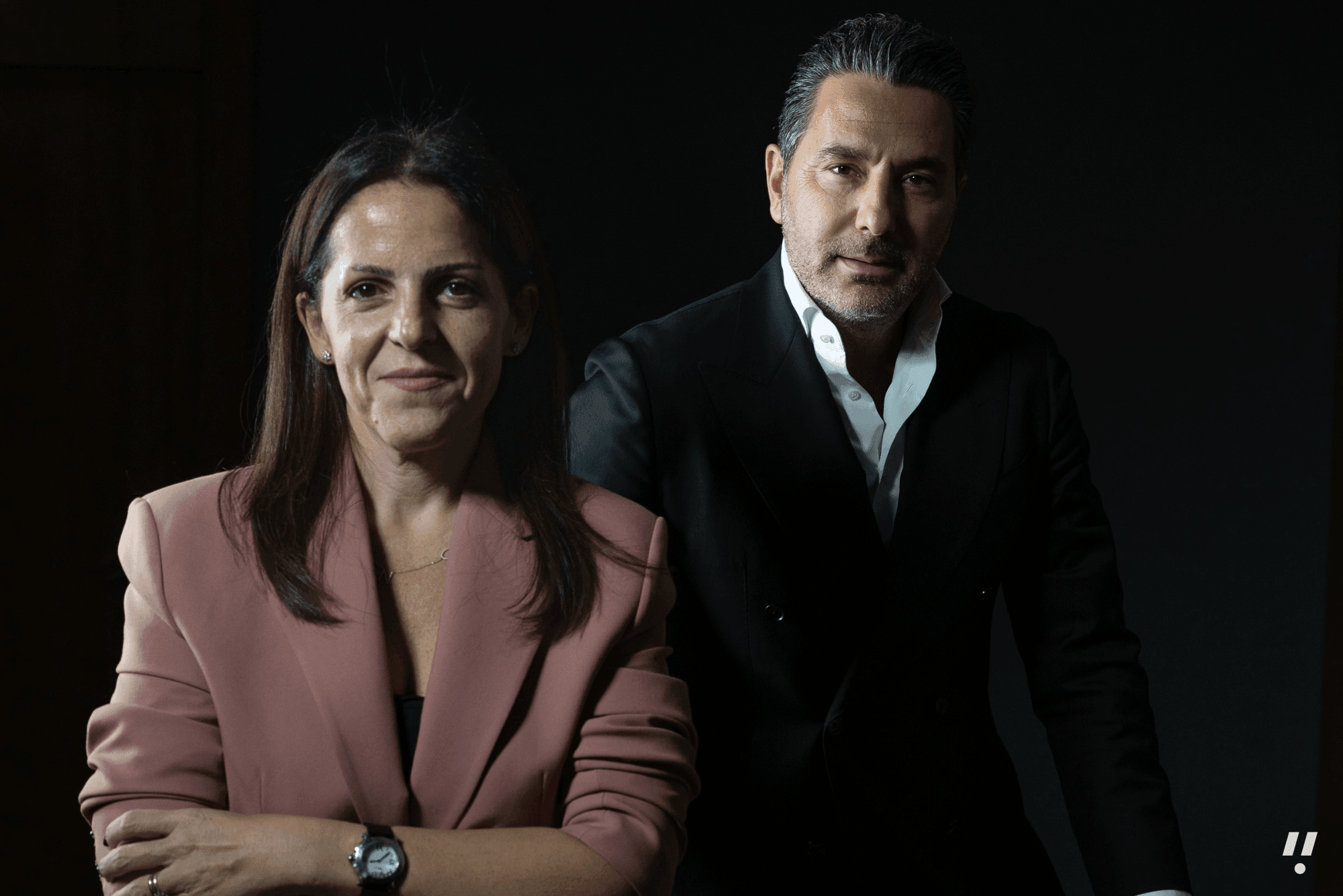
Wissam Breidy and Paula Gambrell have launched BRDG House, a strategic development partner that works with developers from the earliest stages of value creation through development, positioning and commercialization. The founders compress the idea into one line: value gets built before projects do.
Breidy spent more than two decades in media and communication, working on reputation, brand building and public trust before moving into advisory work with companies and leadership teams on brand transformation, strategic positioning and reputation. As chief executive of HRE Development, he carried that thinking into real estate, helping reshape the developer's market positioning and strengthen its brand presence in Dubai. The period confirmed a view he holds now: brands create trust, trust creates demand, and sales follow a long chain of decisions made before any transaction.
Gambrell came to property through finance. She started at HSBC on the product side, where mortgage work gave her a lender's view of how homes are bought, financed and valued. She then spent more than 15 years in commercial roles on the development side across the UAE and Saudi Arabia, working with DAMAC, Ellington Properties and Dar Global on sales strategy, joint venture structuring, development management and international sales channels that reached buyers in China, India and the GCC.
Integration, not more specialism
Their argument is not that real estate lacks capable specialists. Architects, development managers, consultants, designers, commercial teams, branding agencies, marketers, brokers and sales teams are all competent, Gambrell says; the problem is that they often work in isolation. Product affects pricing, pricing affects positioning, positioning affects demand, development decisions affect how a building feels to live in, and execution affects reputation. Every one of those threads lands in commercial performance.
Breidy describes the customer's side plainly. Buyers do not see separate disciplines. They see one development and one developer, and they make one decision about whether they believe in it. Hence the pair's shorthand: complexity does not create value, alignment does.
What BRDG House is not
Both founders are deliberate about the label they have chosen. BRDG House is not a marketing agency, a branding agency, a sales company or a consultancy that hands over a strategy document and leaves. It works alongside developers through the development and commercial journey, on the premise that its value lies in connecting decisions rather than delivering one isolated service. Grasping a developer's business, objectives, projects and organisation takes involvement, Gambrell says, and strategy, product, positioning, brand and execution have to point at the same objective.
Value before the sales gallery
Breidy says value creation starts earlier than most developers assume. Before construction, marketing or sales, the questions are who the project is for, what the market needs, what the product should be, how it is positioned, why anyone should trust it and what gives it pricing power. Each answer can add or destroy value before the market sees anything.
Gambrell's version is transactional. A project's price ceiling is effectively fixed by the time it reaches the sales gallery, and the work is to raise that ceiling beforehand. Feasibility, product, development strategy, commercial strategy, design and the developer's ability to execute all shape the outcome.
Both reject the idea that marketing can repair a weak proposition. Breidy's formulation is that marketing should amplify value that already exists rather than invent it at the end.
On trust, he points out that buyers commit capital to something they will not physically receive for years, so the purchase rests partly on whether they believe the company behind it. That confidence reaches customers, brokers, pricing power and the developer's standing in the market, which is why he treats brand as a business asset rather than a marketing one.
Looking ahead, Gambrell wants BRDG House brought into important conversations early, working with ambitious developers across multiple projects and geographies. Breidy wants it to stay relevant beyond its own mandates, by contributing ideas and initiatives that draw developers, investors and partners together.
Their closing formulation is blunt. Sales are the result, not the strategy. Strategy, product, positioning, brand, trust and execution come first, and demand is what follows.

