DubaiPay Adds Jaywan, the UAE's National Card Scheme
Dubai Finance and Digital Dubai activate Jaywan on the government payment portal, with the first transaction a donation to Dubai Cares.
Karim El-Sayed Karim El-Sayed covers company news, policy and regulation across the UAE and wider MENA for Anecdoted, with a focus on how new rules and licences reshape how startups operate. karim@anecdoted.com
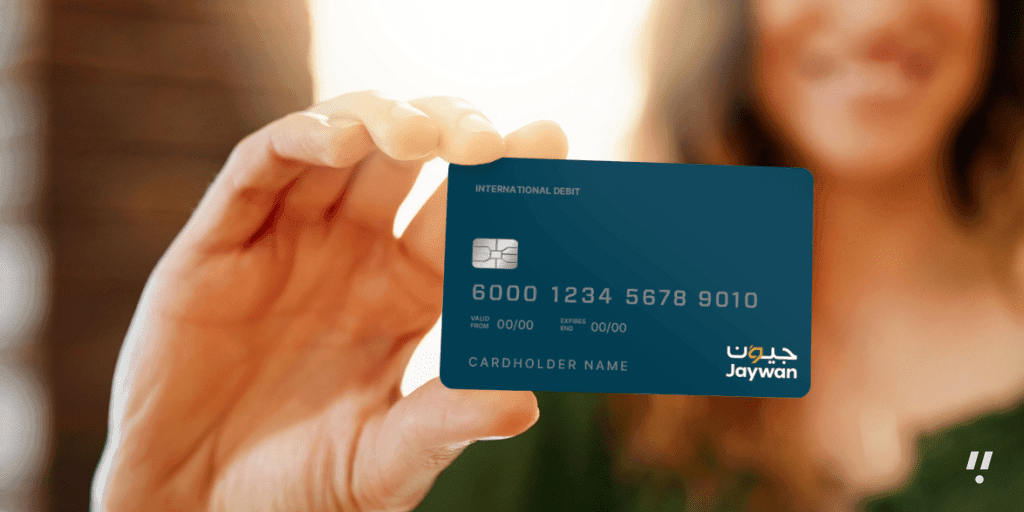
Jaywan, the UAE's national card payment scheme, is now available on DubaiPay. The activation was announced by Dubai Finance and Digital Dubai, and it followed operational testing that confirmed the platform's readiness to process Jaywan card transactions.
The first government transaction through the new channel was a donation to Dubai Cares. One payment does not change a payments system overnight, but this one carried a specific significance: it marked the first time Dubai's government payment infrastructure moved money over the UAE's national payments network.
Jaywan is operated by Al Etihad Payments, a subsidiary of the Central Bank of the UAE. That makes it state-owned infrastructure in the fullest sense — the same institution that regulates the country's banks also owns the card scheme. It is the domestic alternative to international card networks, and it is already accepted at point-of-sale terminals, ATMs, and e-commerce platforms across the country. With DubaiPay, it gains a new class of merchant: the Dubai government.
DubaiPay is the emirate's central gateway for government payments. Residents and businesses use it to settle fees, fines, licensing charges, utility bills, and other obligations across dozens of municipal departments. It is high-volume, everyday infrastructure — exactly the kind of traffic a young national card scheme needs to build its base.
The announcement came jointly from Dubai Finance and Digital Dubai, the emirate's technology authority. That pairing reflects the nature of the work. This was a payments integration, but it was also a digital infrastructure project. Operational testing had to demonstrate that DubaiPay could handle Jaywan transactions reliably before real money moved. The Dubai Cares donation was that demonstration.
The integration also advances a stated policy goal. Dubai's Cashless Strategy aims for 90% of all transactions to be cashless by the end of 2026. Government payments are disproportionately important to that target. They are recurring, mandatory, and near-universal; nearly every adult in the emirate pays some kind of government bill, and most pay several a year. Adding a domestic card option to the official collection platform removes a reason to pay in cash. Jaywan cards are already in circulation across the country, which means the acceptance side of the equation is largely solved.
Seen structurally, the move aligns two pieces of UAE payments infrastructure. Dubai's finance department runs the collection side; Al Etihad Payments, through Jaywan, operates the national card scheme. The connection effectively extends the central bank's payments footprint into Dubai's public sector. Routing government payments over Jaywan keeps that money on the UAE's domestic network rather than passing through international card systems. For the resident, the practical effect is simple: one more way to pay, from a card already in their wallet.
For Jaywan, the commercial stakes are clear. Government fees are not discretionary spending. They recur on monthly and annual cycles, and they do not stop when the economy slows. A steady stream of school fees, license renewals, and municipal charges gives the scheme a base of volume as it competes with entrenched global card brands. For Dubai, the arithmetic is simpler still. The 90% benchmark sits at the end of 2026, roughly four months away, and every Jaywan transaction on DubaiPay counts toward it.

