Egypt Approves Tax Sukuk to Collect Corporate Taxes Upfront
El-Sisi clears a tax sukuk plan allowing large firms to prepay future liabilities and deduct the amount later.
Tariq Benali Tariq Benali covers business and corporate news across the UAE and MENA for Anecdoted, tracking the deals, leadership moves and regulatory shifts behind the region's companies. tariq@anecdoted.com
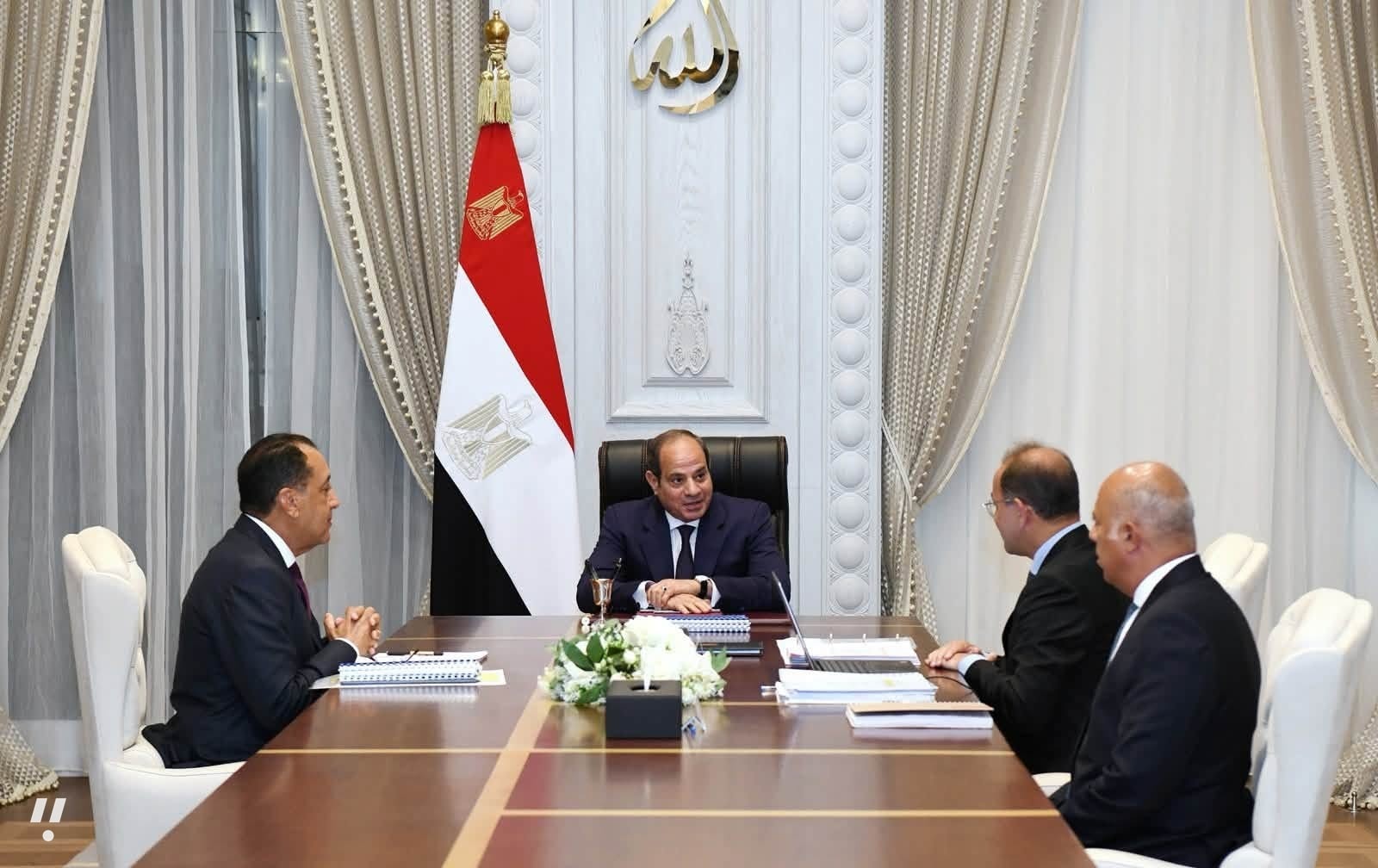
Egyptian President Abdel Fattah El-Sisi has signed off on a tax sukuk plan for major companies. The structure lets a business pay money to the government up front and later use the same amount to offset taxes it owes. The presidency described the return to holders as attractive and appropriate, without giving a target range. The stated goal is to reduce state financing needs and lower debt-servicing costs.
The decision followed a meeting on Monday with Prime Minister Mostafa Madbouly and Finance Minister Ahmed Kouchouk. The group reviewed fiscal performance, public debt dynamics, and upcoming tax facilitation measures. Officials also examined hedging strategies against oil price volatility for fiscal years 2025/2026 and 2026/2027. Specific instruments, volumes, and prices were not released.
The presidency did not disclose issuance size, maturities, or a rollout timeline. It also did not say which taxpayer tiers can participate, how returns will be calculated, or which tax categories can be offset. The legal basis is unresolved. Egypt's Sovereign Sukuk Law No. 138 of 2021 permits government issuances based on usufruct rights over state assets, but the statement did not say whether these tax sukuk would use that framework or require new legislation.
Kouchouk used the meeting to report that real GDP expanded 5.2 percent in the first nine months of fiscal 2025/26. He cited a widening tax base, lower external debt for budget-sector entities, improved bond yields, and narrower credit default swap spreads. The analytical statement for the FY 2026/27 budget puts total debt service at about $104.45 billion, or EGP 5.23 trillion. Of that, domestic debt service is $93.4 billion, comprising $44.04 billion in interest and $49.36 billion in principal repayments. External debt service is nearly $11.05 billion, with $4.31 billion in interest and $6.74 billion in principal.
The financing backdrop remains tight. The International Monetary Fund, in its latest program review, said interest payments consume almost 73 percent of government revenue, which limits what is left for social and development spending even after primary surpluses and a falling debt-to-GDP ratio. The fund warned again about high public debt and heavy financing requirements, calling for continued fiscal consolidation, a broader tax base, and faster sales of state assets. Recent auctions show why borrowing costs matter: average yields were 25.738 percent for 182-day T-bills and 25.003 percent for one-year bills in the latest published operations. Bonds due in July 2029 yielded around 23.399 percent. These levels mean every new debt issuance adds a significant recurring expense.
The presidency said the government has cut budget-sector debt by nearly 13.2 percentage points of GDP over the past two years and wants to keep improving the indicator. El-Sisi also directed work on a third package of tax facilitation measures, after legislation for the second package took effect. This runs alongside the launch of an application for real estate tax and preparation of a similar system for real estate transaction tax. The statement did not specify the legal framework for the tax sukuk, leaving open whether they will be issued under existing legislation or through new measures.

