Egypt Drafts Law To Tighten Oversight Of Real Estate Developers
A draft law would license developers, create a registry and a professional federation, and strengthen buyer protections as unit sales slow and payment plans stretch to 15 years.
Tariq Benali Tariq Benali covers business and corporate news across the UAE and MENA for Anecdoted, tracking the deals, leadership moves and regulatory shifts behind the region's companies. tariq@anecdoted.com
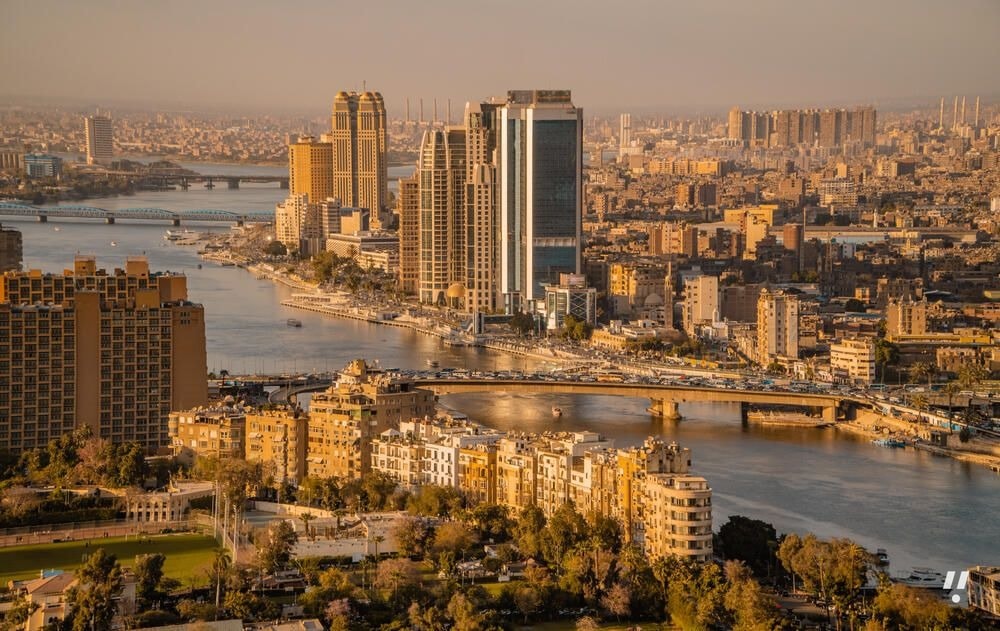
Egypt's government is preparing legislation to raise standards among real estate developers, support project delivery and strengthen homebuyer protections. Prime Minister Mostafa Madbouly discussed the draft law with developers at a September 15, 2026 meeting on delayed and troubled projects. It is expected to reach the Cabinet before being referred to Parliament.
The framework would assess developers on financial and technical capacity, identify stalled projects and reinforce buyer safeguards. It would establish an official developers' registry, set licensing requirements, define companies' obligations and create a professional federation with a role in transparency, professional standards and dispute resolution. Housing Minister Randa El-Manshawy said qualified developers would manage their own professional affairs while oversight tightens around companies that fail required standards.
Developers sell roughly 80,000 residential units a year in Egypt, worth more than $25 billion. Volumes are easing and payment plans stretching. Contracted sales at the ten largest developers rose 2.9% year on year to $12.9 billion (EGP 670 billion) in the first half of 2026, from $12.6 billion (EGP 651 billion), according to The Board Consulting, while unit sales fell 5% to about 39,000. Higher prices, not stronger volumes, drove most of that gain. JLL counted around 4,500 residential completions in Cairo in the second quarter of 2026.
Construction costs rose 19% on average between 2025 and September 2026. Payment plans now run as long as 15 years and unit sizes have shrunk to keep prices reachable. Longer schedules widen the gap between construction spending and cash collection.
Ayman Sami, JLL's country head for Egypt, links delays at some developers partly to the fallout from the 2024 currency liberalization and to higher building and financing costs. The central bank let the pound trade freely on March 6, 2024, when the dollar moved from about EGP 30.85 to about EGP 49.4, alongside a 600-basis-point rate rise.
Tarek Shoukry, who heads the Real Estate Development Chamber at the Federation of Egyptian Industries, said land should be allocated according to a developer's financial and technical capacity, assessed before the award. The aim is to stop firms expanding beyond their delivery ability and to curb competition built on unsustainable pricing or promises. He wants the proposed federation to hold stronger accountability powers, resolve disputes faster and keep a comprehensive database of developers and delayed projects, including affected units and delay lengths. Inflationary shocks explain delays at some companies, he said, and policy should begin with a clear count of delayed projects rather than broad estimates of distress.
That count matters because the strain is unevenly spread. The Board Consulting found wide differences in how the top ten developers absorb market pressure and cautioned against treating their growth as a picture of the wider market.
Economist Hany Tawfik argues some developers use customer proceeds to buy land and fund expansion instead of finishing units already sold, and that oversight of buyer funds is overdue. He questions a model in which developers finance buyers through installments of up to 15 years, a role banks and mortgage lenders play in other markets. His remedy: let real estate investment funds or private investors put capital into distressed projects, sometimes for a stake, and in severe cases take control and finish the work. That requires separating developers that can be restructured from those without the capacity to continue.
Sami sees no bubble. Distress is limited, he said, and the slowdown is a cooling period after a strong run. Larger developers keep reporting solid sales while smaller and mid-sized firms face more financing and execution pressure, with coastal projects active through the summer alongside commercial, office and hospitality assets supported by tourism. Buying new land, he argues, can help a developer rebalance finances by generating fresh cash for existing commitments; some have delayed sales or bought materials in advance to manage cost swings. Rising living costs and property prices could weaken installment collections.
Urban economist Seif Farag says some purchases function mainly as a hedge against inflation and currency depreciation rather than as productive investment, pointing to around 12.5 million unoccupied housing units in 2017, or 29.1% of the total, in the latest CAPMAS population and housing census.
Some buyers put down small amounts and plan to resell before installments come due; those who cannot may be left with payments they struggle to meet. Aqarmap Exit, a platform for reselling properties bought on installment plans, lists 7,760 properties worth $2.2 billion (EGP 112.3 billion).
Egypt has been here before. The pound was floated on November 3, 2016, at around EGP 8.8 to the dollar, weakened to EGP 14.3 in a central bank auction that day and reached about EGP 19.6 by mid-December, raising the cost of finishing projects priced before the change. Farag notes developers repriced projects and adapted to higher costs, and the market adjusted over time.

