Egypt Launches $19.1M Fund to Restructure Distressed Factories
Cairo will take equity stakes in viable but struggling industrial businesses, with applications routed through a new manufacturers' platform.
Tariq Benali Tariq Benali covers business and corporate news across the UAE and MENA for Anecdoted, tracking the deals, leadership moves and regulatory shifts behind the region's companies. tariq@anecdoted.com
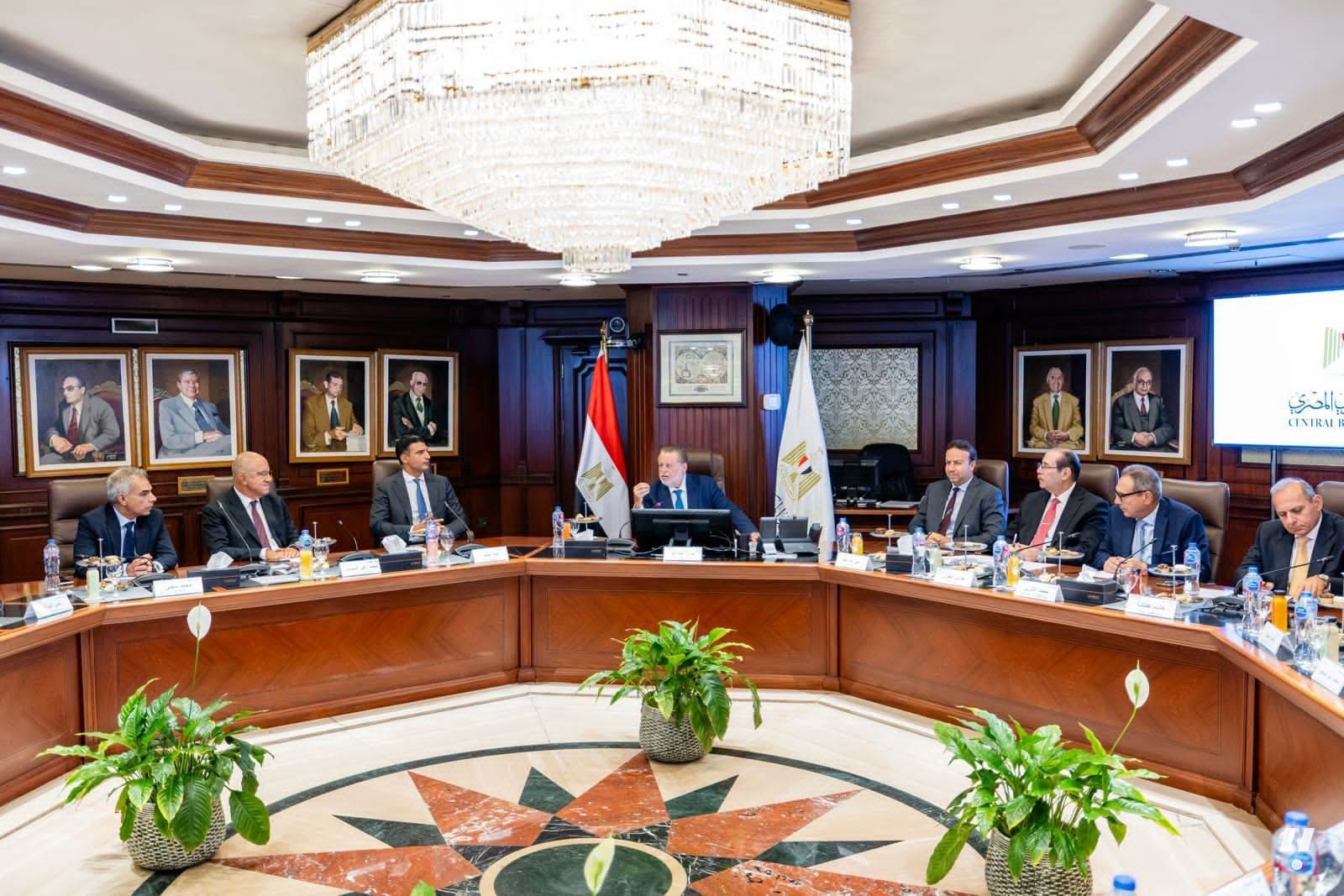
Egypt has set up a fund of EGP 1 billion, roughly $19.1 million, to restructure distressed factories and get them running again. The cabinet announced the fund in a statement on Thursday.
The money will not be distributed as grants. The fund takes equity stakes in industrial businesses that are in trouble but still judged viable. Restoring their assets and their production capacity is the point.
Officials describe the target as capacity that already exists but sits unused. Bringing those plants back is meant to revive underutilized industrial capacity and support sustainable growth across the sector, rather than to build anything new.
Hassan Abdalla, governor of the Central Bank of Egypt, framed the initiative as a way to strengthen industry by steering capital toward the rehabilitation of productive assets. The banking sector, he said, will keep providing financing options and other solutions so that stalled factories can restart. Banks will also back investment, production and the growth of manufacturing inside the country.
Khaled Hashim, the industry minister, said restructuring troubled factories and getting them back into production is a priority for his ministry. The fund forms part of a broader initiative to raise domestic production and improve the efficiency and sustainability of Egyptian industry, he said.
Companies seeking support apply through the Manufacturers Support Platform, which the ministry launched recently. Eligible businesses are assessed for funding through that platform, and the assessment determines who receives money.
The goals extend past individual balance sheets. Restoring idle production capacity is meant to preserve existing jobs and create new ones. It is also intended to strengthen local supply chains and the competitiveness of Egyptian industry.
The restructuring arrives as a package rather than a single instrument. It includes loan restructuring, fresh equity injections, operational efficiency measures and stronger corporate governance frameworks. Those programs are carried out in cooperation with the management of the companies that receive support.
Within that push, the central bank and the ministry occupy different lanes. One supplies the capital and the credit plumbing. The other screens applicants and owns industrial policy. The two have to agree on which factories are worth the money.
Choosing equity over subsidies changes who carries the risk. Public money goes in alongside lenders and existing owners, and the governance terms give the fund a say in how a rescued plant is run. Whether the platform can separate businesses worth saving from those that are not will decide how far EGP 1 billion stretches.

