Egypt Sends Four Telcos to Prosecution Over Unauthorized Lines
NTRA refers Vodafone, Orange, e& and WE to prosecutors over bogus registrations; suspends new business line sales.
Tariq Benali Tariq Benali covers business and corporate news across the UAE and MENA for Anecdoted, tracking the deals, leadership moves and regulatory shifts behind the region's companies. tariq@anecdoted.com
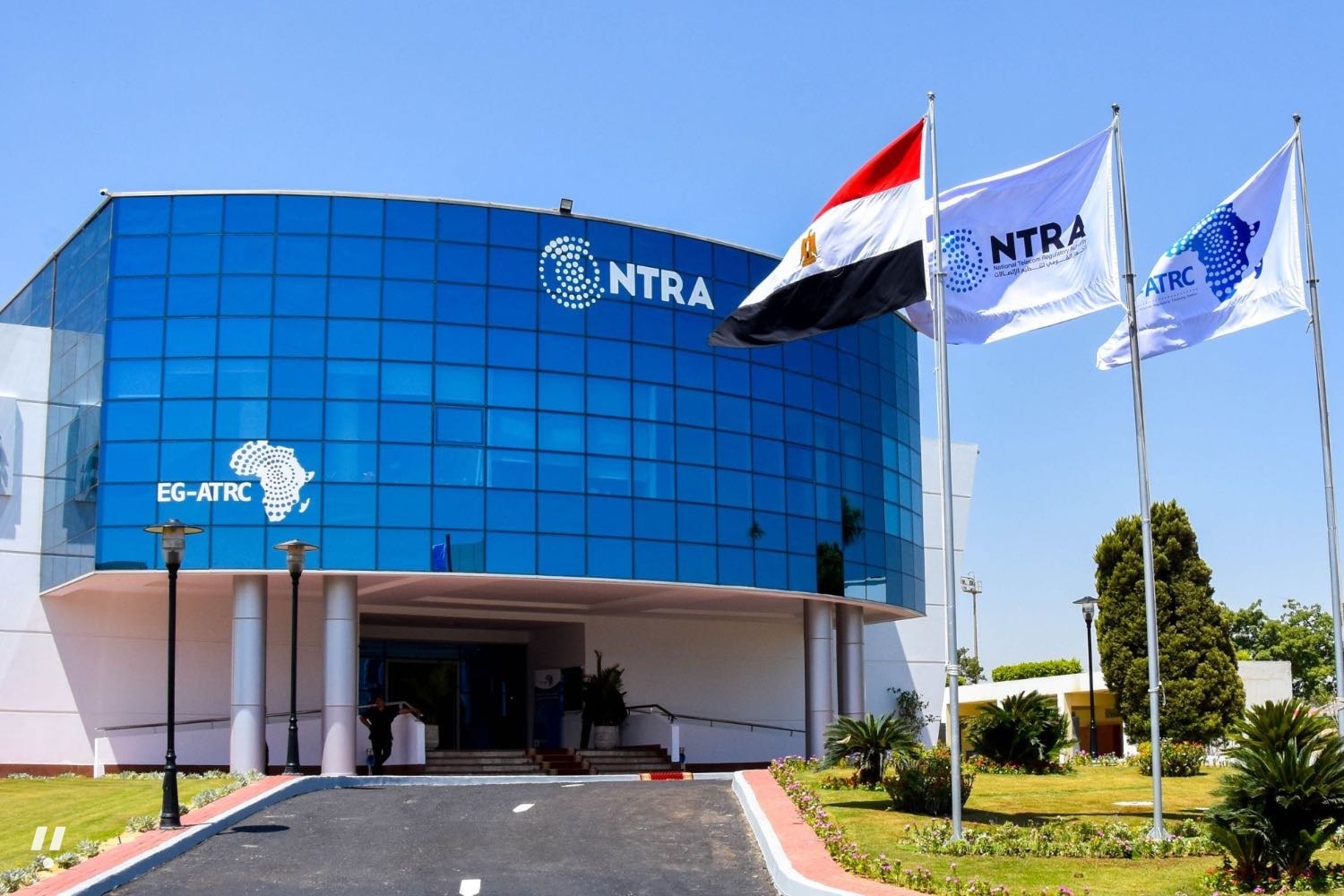
Egypt's telecom regulator has referred four mobile operators to the public prosecution. Vodafone Egypt, Orange Egypt, e& Egypt, and Telecom Egypt's WE unit face legal scrutiny over mobile lines registered under users' names without their knowledge or use.
The National Telecommunications Regulatory Authority (NTRA) said the referrals followed a wave of complaints over the past two days. People found lines attached to their IDs that they never owned. Others discovered active numbers they never activated. The regulator is now coordinating with prosecutors to review evidence, records, and documents before taking further legal steps.
After meetings with the four operators, the NTRA ordered a temporary halt on the sale and activation of new mobile lines through company and institution systems. The ban covers private-sector businesses and government entities. It is meant to stop bulk registrations that bypass individual consent. The regulator also instructed the operators to tighten ownership checks and accelerate biometric verification.
Operators were told to message existing subscribers whose lines appear in their systems. Those customers must visit branches and sign fresh contracts in the name of the actual line holder. If the required procedures are not completed within a specified period, the lines will be canceled. That deadline creates real pressure on subscribers to act quickly.
The biometric verification system, once in place, lets customers securely confirm their identities. It also gives them a way to identify lines registered to their names that they do not possess — and to act against those lines. This shifts some control back to the subscriber, a meaningful change in a market where registration errors have long been opaque.
The NTRA said it will keep monitoring compliance. Companies that violate the rules could face additional measures, including suspension of new line sales and referral to the Public Prosecution. The regulator warned that legal and administrative action under Egypt's telecommunications regulations remains on the table for non-compliant firms.
This crackdown coincides with Egypt's broader push to strengthen its personal data protection framework. Law No. 151 of 2020 and its 2025 executive regulations set requirements for transparency, data security, and individuals' rights over their personal information. Telecommunications licenses already oblige operators to maintain subscriber databases and protect customer information. NTRA rules governing user rights and service contracts apply to all licensed companies.
The regulator made clear where it stands. Protecting citizens' rights and personal data, and ensuring accurate and secure mobile-line registration, are top priorities. The practical effect of this move could be sizable: thousands of lines are likely tied to mismatched identities, and the cancellation deadline forces subscribers to engage with their own records.
Enforcement against the country's largest telcos signals that the state is ready to use both administrative and criminal channels to back its data rules. How far prosecutors take these cases will show whether this is a one-off crackdown or the start of a stricter era for Egypt's mobile market.

