EMSTEEL Turns Steel and Cement By-Products into Feedstock
The steel and cement producer is routing slag, fines and scrap back into production, cutting landfill volumes and displacing virgin raw materials.
Karim El-Sayed Karim El-Sayed covers company news, policy and regulation across the UAE and wider MENA for Anecdoted, with a focus on how new rules and licences reshape how startups operate. karim@anecdoted.com
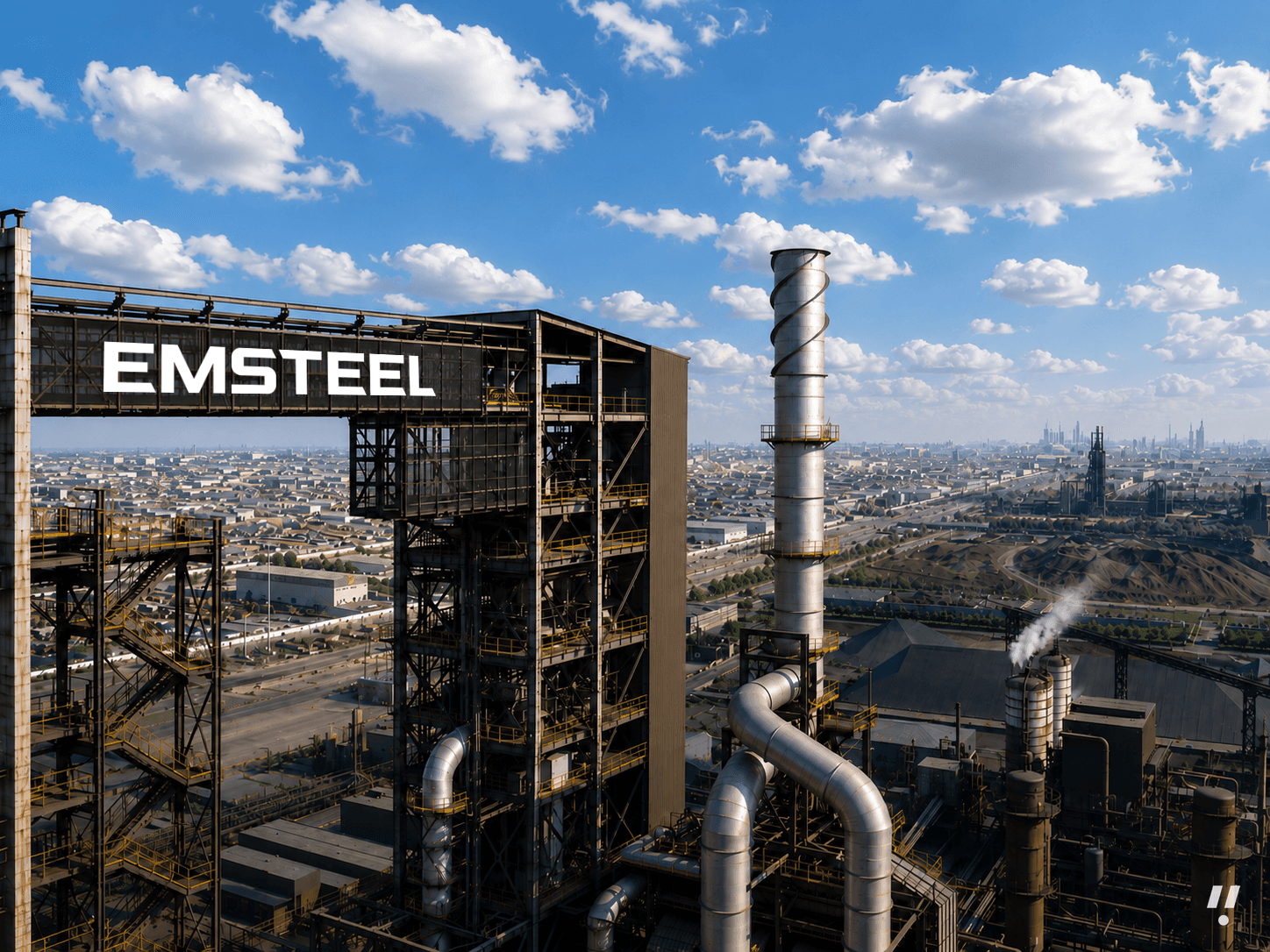
EMSTEEL's circularity work sits where two businesses meet. The group makes steel and it makes cement, and that pairing lets residue from one process become input for the other.
The volumes are large. In 2025 the group produced 3.3 million tonnes of finished steel products and 2.2 million tonnes of cement. Finished steel is only part of the output; a long list of side streams comes with it. Under its Mission to Zero ambition, EMSTEEL wants those streams sent back into production, routed into other industrial processes, or sold into new markets rather than stored or thrown away.
Recovery across steelmaking
EMSTEEL exceeded its annual utilization target for process materials in 2025. Recovery covered mill scale, oxide fines, direct reduced iron fines, direct reduction process sludge, electric arc furnace slag, LF slag and fume treatment plant dust. Tighter segregation and operational controls raised the share of iron-rich material pulled back into the system, and formal customer agreements created regular dispatch routes. A dedicated committee hunted for additional buyers and applications, while research with Khalifa University widened the range of responsible uses and eased pressure on storage.
Linking steel and cement
The clearest case of the two businesses working together is a partnership with Magsort, a Finnish technology company. The project recovers metallics from steel slag and turns what remains into a high-value input for clinker and cement. Testing in 2025 went well enough that the operation is now running, with production performance ahead of target. Processed slag can replace up to 18% of the raw materials in cement products, which lowers demand for primary material and cuts emissions tied to limestone calcination. Across the project period through 2032, EMSTEEL estimates a cumulative CO2 reduction of more than 1.0 million tonnes.
Steel slag has a second outlet. At the Al Mafraq Blocks Factory, slag processed by Harsco substitutes for natural aggregates in concrete blocks, replacing up to 25% of aggregate requirements.
Scrap back to the furnace
Scrap reuse is another pillar. Emirates Steel consumed more than 350,000 tonnes of recycled scrap in 2025, drawn from post-consumer and pre-consumer sources. Better recovery from cutting and rolling operations, along with stronger segregation and internal collection, sends that scrap straight back to the electric arc furnace. Material stays inside the production cycle, and demand for primary inputs falls.
Less to landfill
Waste directed to landfill dropped 23.6% year on year in 2025. Customer agreements gave recovered materials steadier outlets, reducing stockpiles and strengthening the market for secondary industrial resources. Lower landfill volumes are one aim. Dependable, economically workable uses for what the plants generate are the other.
Investment planning follows the same logic. EMSTEEL's 2025 Green Finance Framework covers sustainable product innovation alongside renewable energy and energy-efficiency projects, tying resource efficiency to capital allocation and to the group's wider decarbonization strategy.
What emerges is a system rather than a waste program: scrap, slag, fines and dust circulating between steelmaking, cement production, customers, research partners and technology suppliers, with the steel and cement units built to lean on each other.

