Majra CEO Sarah Shaw on Aligning Impact With the National Agenda
Sarah Shaw explains how the UAE is building a measurable impact economy with companies, government and academia working in step.
Karim El-Sayed Karim El-Sayed covers company news, policy and regulation across the UAE and wider MENA for Anecdoted, with a focus on how new rules and licences reshape how startups operate. karim@anecdoted.com
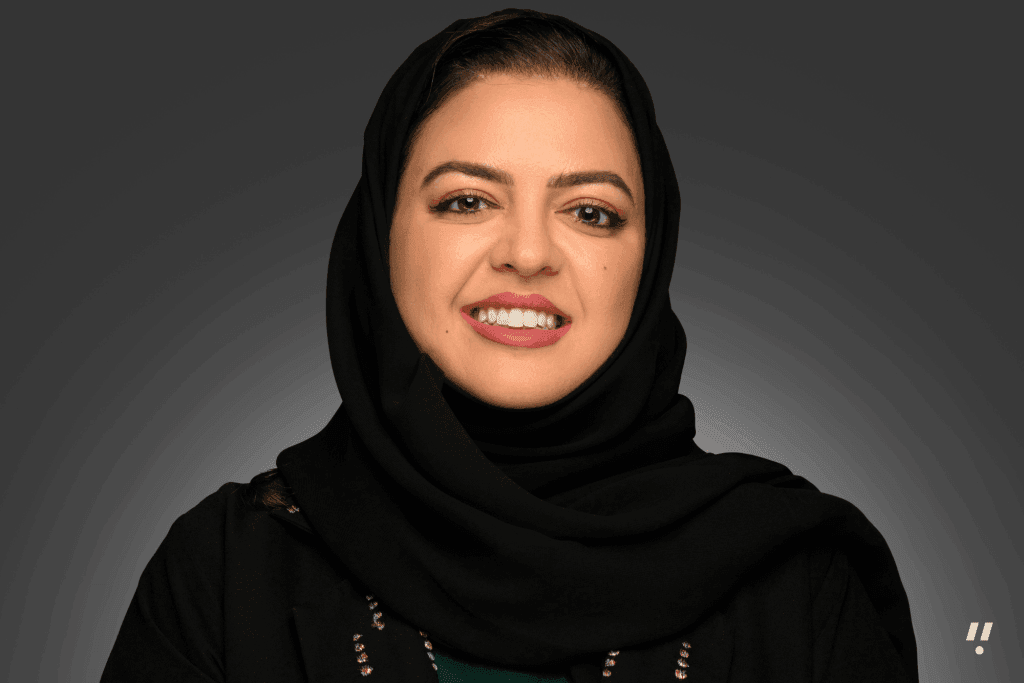
Majra – National CSR Fund exists to change how UAE companies contribute to society. CEO Sarah Shaw says a functioning impact economy needs coordinated institutions, not scattered projects. Government steers business, philanthropy, academia and community toward national priorities. Business offers capital, assets and people. Philanthropy must align its own programs with those priorities. Academia provides independent research and measurement tools. Clear governance architecture ties them together.
The UAE has chosen a partnership-driven and nationally enabled model rather than pure regulation or market-led evolution. Majra is the country's federal CSR, ESG and sustainability umbrella. It connects public entities and private firms, and it links early efforts to We the UAE 2031. Implementation runs through the UAE Companies for Good 2031 Strategy, measurement through the Impact Index, and recognition through the Impact Seal.
Shaw is explicit about the problem she wants to solve. Historical CSR was fragmented and often driven by board-level preference. Majra changes the field by aligning contributions with priority sectors, applying comparable performance frameworks, verifying initiatives, and aggregating data for national policy and incentives. The approach also covers non-financial contributions and directs support to national priority areas. A central target sits behind it: voluntary CSR value should reach 1% of the UAE's economy by 2031.
Early evidence is encouraging. The latest Impact Seal cycle drew nearly 160 applications. Majra awarded 114 companies at Platinum, Gold and Silver levels, split between Large Corporate and SME categories. In 2025, the fund identified more than AED 3.2 billion in total CSR value, including donations, volunteer effort, programs, waqfs, grants and zakat. Shaw sees it as a signal that companies are moving CSR from the periphery into governance.
Measurement is the design principle. Impact Seal metrics begin with mandatory CSR disclosure rules from the 2018 law that established Majra. The fund worked with federal ministries in human resources, industry, economy and climate change to capture every relevant way a company can contribute. Companies face defined benchmarks, governance and reporting standards, project verification, and alignment with national outcomes. That makes impact auditable and supports aggregation at a national scale.
CSR, Shaw argues, must evolve into board-level ESG strategy and connect to overall business performance. ESG should inform capital allocation so that financial performance and sustainable impact reinforce one another. The companies she sees in the ecosystem now show stronger board engagement, better reporting, and a clearer link between corporate strategy and We the UAE 2031. Impact is becoming a competitiveness factor.
The next five years should bring deeper integration, not just more projects. Companies can expect expanded participation in the Impact Seal, wider use of the Impact Index in ESG frameworks, progress toward bringing 50% of large mainland companies into Majra's ecosystem, and stricter verification for CSR programs. The long-term goal is for the UAE to become the regional reference point for responsible business, with CSR inside macroeconomic performance and ESG inside corporate governance. In Shaw's view, responsibility is not an optional positioning exercise. It is a structured, measurable operating model, and Majra exists to make it function at national scale.

