Experience Design Is the New Operating Engine of Hospitality
Hessa Events founder Hessa Alzimami on why hospitality now depends on invisible layers rather than visual grandeur.
Karim El-Sayed Karim El-Sayed covers company news, policy and regulation across the UAE and wider MENA for Anecdoted, with a focus on how new rules and licences reshape how startups operate. karim@anecdoted.com
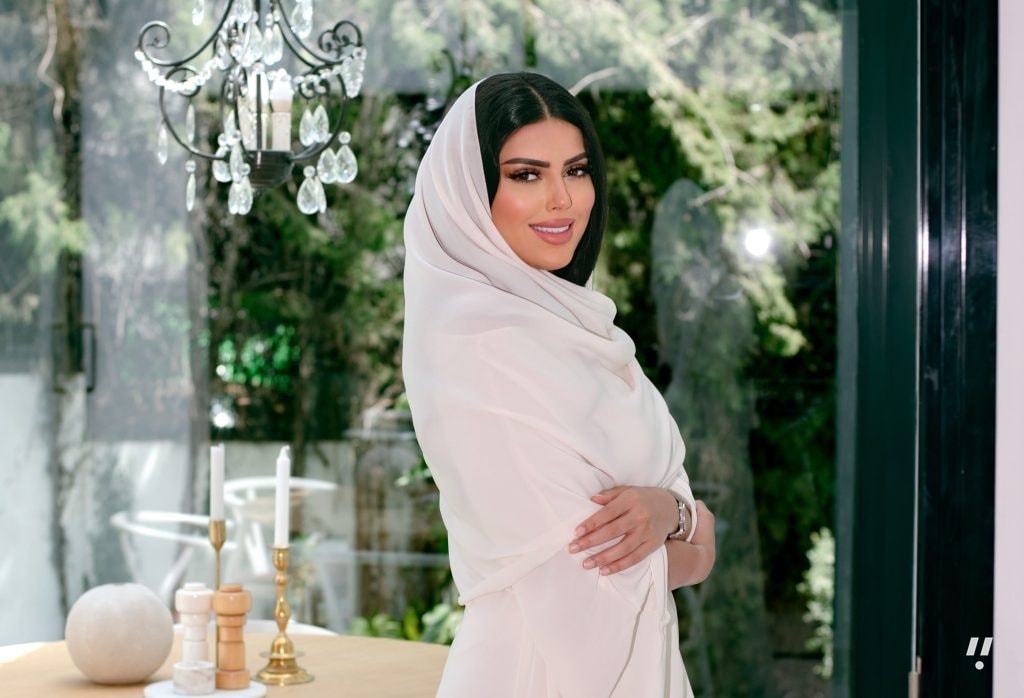
Hessa Alzimami founded Hessa Events and has led it for more than eight years, executing over 275 high-stakes events across Saudi Arabia: weddings, private celebrations, concerts, award shows, and cultural productions. She makes a pointed argument. Experience design is the operational engine of modern hospitality. Visual decoration is no longer enough.
Clients arrive in September with fresh memories of summer travel. They have stayed in world-class hotels and retreats, and their expectations have risen accordingly. Saudi Arabia's event and business calendar reawakens in September. Alzimami says appealing to the masses or relying on superficial visual decor is not a growth strategy. Her advice to founders is to go deeper rather than broader.
Six rules for building experience
- Read beyond the brief. Clients describe what they want with words like beautiful, private, original, or impressive. Those words hide deeper requests: discretion, emotional safety, cultural nuance, and trust. The visible request is only the surface.
- Design beneath the visual layer. The strongest parts of an experience are often invisible. Hessa Events crafts quieter transition zones with low lighting, a signature scent, and traditional beverages. A guest may never name these details, but they feel them.
- Build cultural intelligence into business architecture. In Saudi hospitality, privacy, pacing, seating arrangements, and etiquette carry profound unspoken meaning. These are not styling choices. They are structural decisions.
- Master the intelligence of restraint. Not every impressive experience is a good experience, Alzimami says. Restraint is a premium form of design intelligence. Sometimes the right move is to leave something out.
- Protect standards over passing trends. Absolute discretion, cultural alignment, originality, and flawless execution outlast any visual fashion. A trend can be borrowed. Standards have to be held.
- Deploy the Layering Method, then obsess over the final 10%. The Layering Method stacks emotional, spatial, sensory, cultural, and operational layers toward one strategic direction. The final 10% involves correcting inconsistencies and auditing the entire customer journey from the client's perspective.
This approach carries a larger implication for the region. When the Saudi calendar reopens after summer, guests are no longer comparing a local event to last year's local event. They are comparing it to the best hotels and retreats they visited abroad. Experience design answers that shift by treating trust as a built environment. Alzimami's position is that business reputation is built in quiet, hyper-detailed moments.

