Forbes Middle East Poll: AI Leads as Saudi Healthcare's Driver, Patients Define Success
A summit poll of 1,000 attendees in Riyadh put AI and digital health first as the expected engine of change, while patient outcomes and access drew the strongest agreement as measures of success.
Tariq Benali Tariq Benali covers business and corporate news across the UAE and MENA for Anecdoted, tracking the deals, leadership moves and regulatory shifts behind the region's companies. tariq@anecdoted.com
Executives put AI first among the forces of change
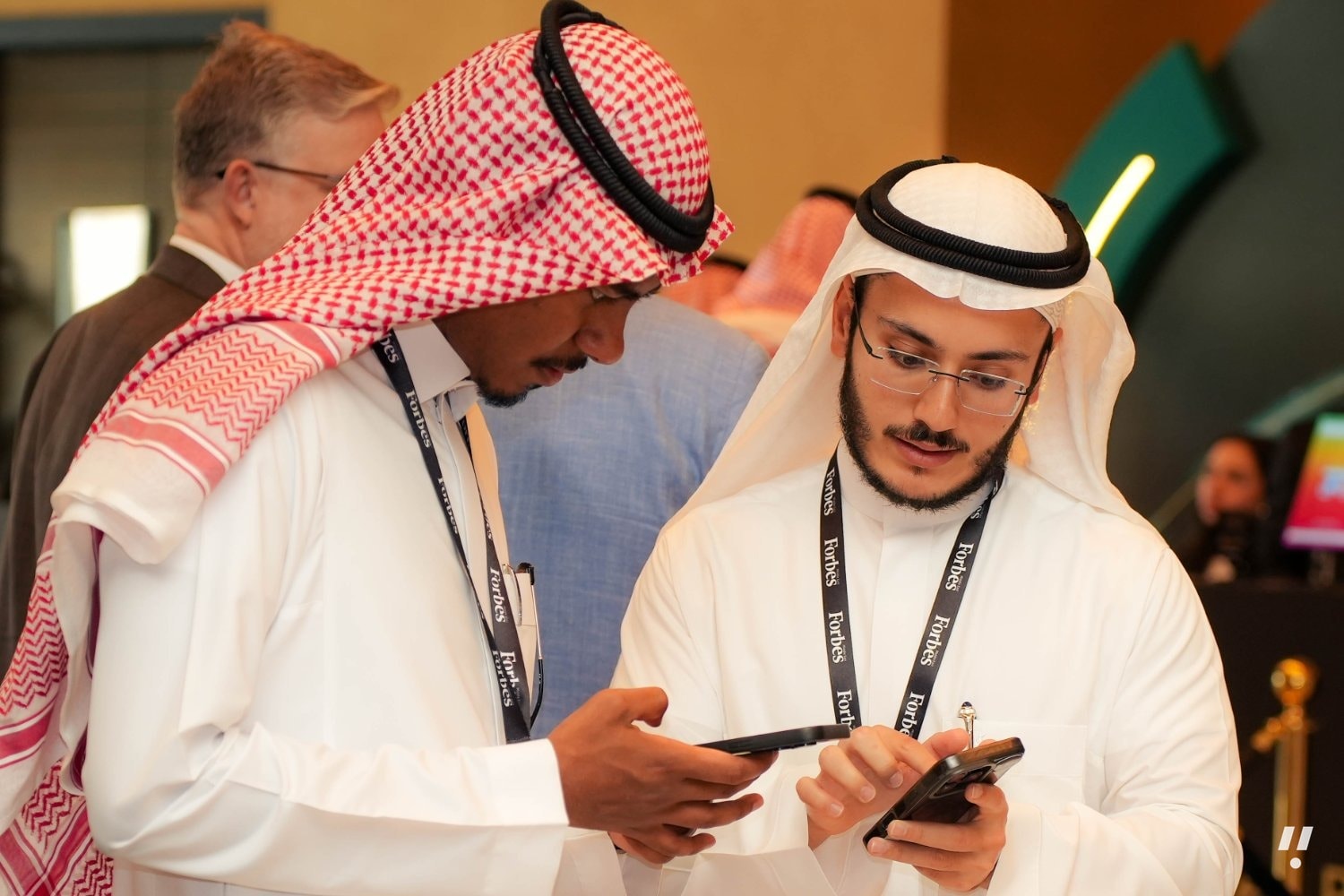
About 1,000 people attending the second Forbes Middle East Healthcare Leaders Summit in Riyadh on September 13 were asked which forces will shape the kingdom's health system over the next five years. AI and digital health took the top spot, named by 42.41% of respondents — a margin well clear of every other answer.
Private-sector investment and public-private partnerships drew 26.58%. Localization of medicines and manufacturing came next at 13.92%, followed by prevention and population health at 10.13%. Workforce and clinical capability finished last, at 6.96%.
That final figure sits awkwardly beside the answers to a separate question about spending. Asked where investment should be directed for the greatest long-term value, 19.75% named talent and clinical excellence — close to three times the share that treated the workforce as the main engine of change.
An investment agenda wider than technology
AI, data, and digital platforms again ranked first on that question, at 29.01%. Biotechnology and life sciences research followed at 26.54%, talent and clinical excellence at 19.75%, hospitals and healthcare infrastructure at 17.90%, and local pharmaceutical manufacturing last at 6.79%.
Read together, the two questions describe an agenda spread across science, people, and buildings rather than resting on a single lever. Localization breaks the pattern. It ranks third among expected drivers but last among investment priorities, despite its place in the kingdom's broader industrial plans.
Patients as the yardstick
Agreement tightened when the poll turned to how progress should be judged. Better patient outcomes led at 43.33%, and greater access to high-quality care followed at 27.33%. The two patient-facing answers accounted for 70.66% of responses.
- Better patient outcomes: 43.33%
- Greater access to high-quality care: 27.33%
- Global leadership in healthcare innovation: 17.33%
- A stronger domestic life sciences industry: 6.67%
- Greater private-sector participation: 5.33%
Private-sector participation shows the widest gap between the two framings. More than a quarter of respondents, 26.58%, called private investment and partnerships a leading driver of transformation. Only 5.33% treated a larger private-sector role as evidence that the transformation had worked.
Means and measure, separated
Set side by side, the results divide the tools of change from its purpose. Technology, capital, and partnerships are the mechanisms. Outcomes and access are the terms on which the sector will decide whether those mechanisms delivered.
For Saudi Arabia, where healthcare sits inside wider economic diversification and quality-of-life goals, the practical question is conversion: how investment and digital tools become gains that patients can see.
Forbes Middle East notes that the findings come from a live poll of summit attendees and do not represent the Saudi population or the healthcare sector as a whole.

