How Quinton van der Burgh Built AverCare to Make Longevity More Accessible
After his own health crisis exposed the fragmentation of care, the Dubai-based founder turned to AI and a network of physicians.

Quinton van der Burgh spent two decades launching companies in telecommunications, engineering, media, commodities and emerging markets. Healthcare was never part of the plan. That changed when his own health broke down. He was dealing with prostatitis, chronic insomnia, chronic pain and nerve issues while maintaining a punishing schedule of meetings and travel. Specialists treated condition by condition. He welcomed that at first, because it let him keep working. The approach eventually cost him mentally and physically.
Van der Burgh came to see the situation as burnout piled on health issues accumulated over years. He trained daily and thought he was healthy, yet understood little about prevention, recovery, biohacking or biomarkers. Even with excellent doctors, each specialist worked separately. No single system tied his health together.
A meeting with Dr. Werner Voster changed that. Voster, a medical innovator, became co-founder and head of research and development at AverCare, which launched in Dubai in 2021. Van der Burgh brought business and scaling experience; Voster brought the technology.

AverCare's app combines AI-driven guidance, medication and allergy tracking, chronic condition support, 24/7 telemedicine, multilingual access and wearable connectivity. Aver, an AI coach, works with a user's calendar to suggest practical times for health tasks. Wearables stream data, letting the system identify trends.
More than 20 physicians in conventional, integrative and regenerative medicine, longevity and wellness back the platform. This human layer is deliberate. AI translates complex medical language, organizes health data and flags when professional care is appropriate. Diagnosis and treatment stay with licensed doctors. The app also connects users to GPs, specialists, therapists, dietitians and physiotherapists, and can share reports with existing providers.
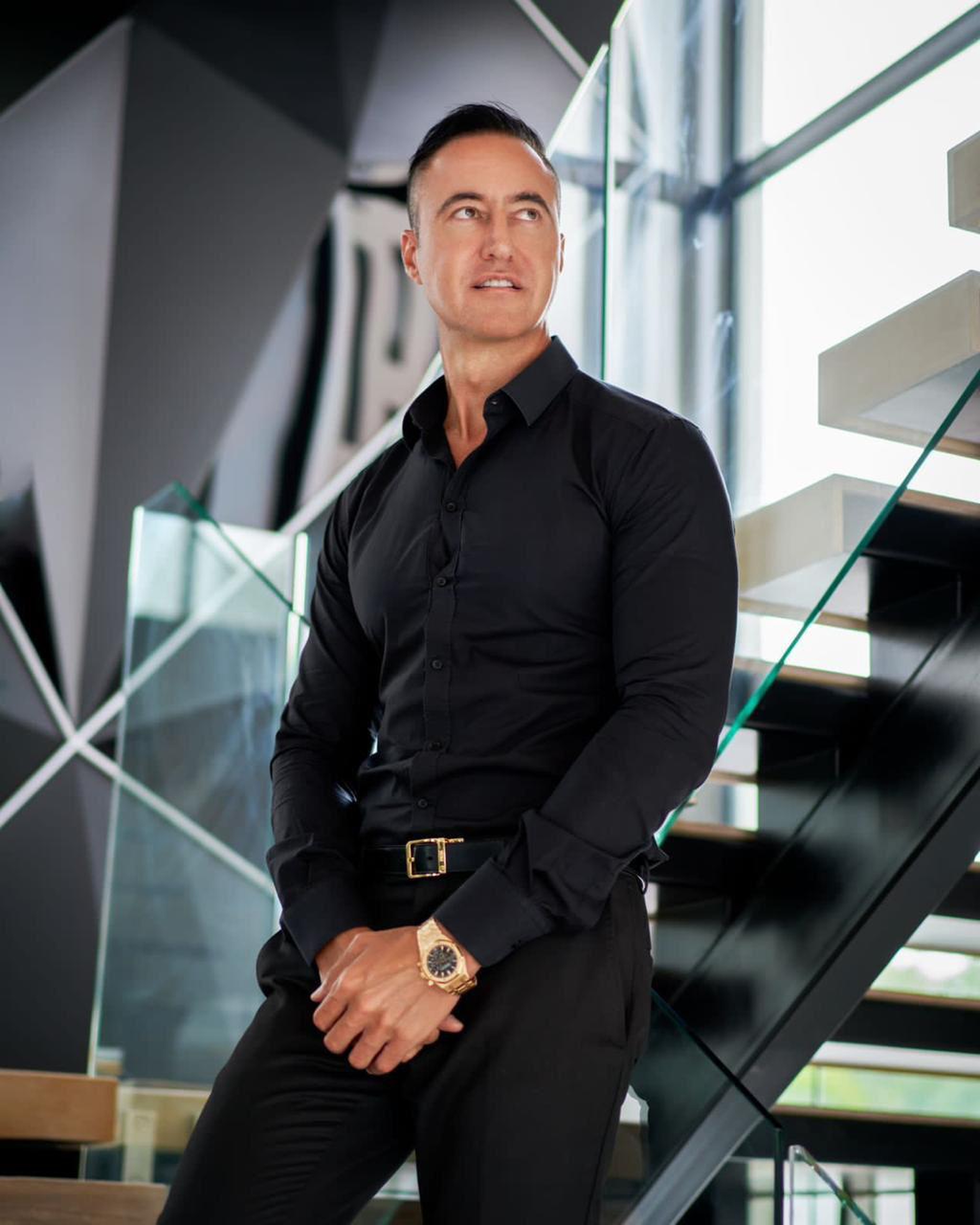
Van der Burgh says an AI first layer matters most where doctors are scarce. He also wants to make longevity more affordable. Expensive testing and biohacking are inaccessible to many. Basics like sleep, movement, nutrition, recovery, stress management and screening can add healthy years at far lower cost.
AverCare is on a waitlist; platform rollout and first wearable AverFit arrive in November 2026. Revenue will come from subscriptions, connected devices, employer partnerships and government programs. The mission is two-sided: a premium product, plus underlying tech for people with little access to care.
The market backdrop helps. The WHO projects the population aged 60-plus will double to 2.1 billion by 2050, and the UAE longevity market is forecast at $32 billion in 2026. Dubai launched the Dubai Longevity Authority in June as a step toward becoming a hub for regulated longevity and advanced healthcare.

Van der Burgh calls Dubai a strategic home because it sits between East and West and has a multilingual population. The city also rewards speed and ambition, which suits a company meant to work across many healthcare systems.
Success, for him, no longer means commercial benchmarks. AverCare's real measure is how many people it helps live healthier lives and how much access it creates for those traditionally excluded. His advice to founders: start with a problem, not technology. AI layered onto a weak process changes nothing. In health, you first need to understand the human problem, the clinical boundaries and the trust required. Technology was AverCare's means to solve fragmentation, never its reason for existing.


