How Two Emirati Founders Built Teel Floral Studio Around the Gifting Experience
Noora Al Suwaidi and Mahra Al Balghouni spent two years building Teel Floral Studio alongside full-time jobs, then had to learn how to let go.

Noora Al Suwaidi and Mahra Al Balghouni spent close to two years building Teel Floral Studio while holding full-time jobs. The physical space came later. Before it came testing, mistakes, customer conversations, and a slow answer to what the company should be. The two had been making things together since school — events, styled rooms, the small details most people walk past — and noticed along the way that flowers interested them less than what flowers could carry.
The experience is the product
Teel is not a flower shop with a nicer front door. The founders set out to rework gifting, treating each order as tied to one person and one moment. Flowers are the medium. The experience is the business.
Flowers appear at engagements and weddings, at births, in thanks, at goodbyes. That weight means an arrangement cannot be handled like ordinary stock. As they saw it, buying flowers had drifted toward the transactional: walk in, pick, pay, leave. Size and price are not the contest. Noora and Mahra want customers to remember how the process felt and to see themselves in the result.
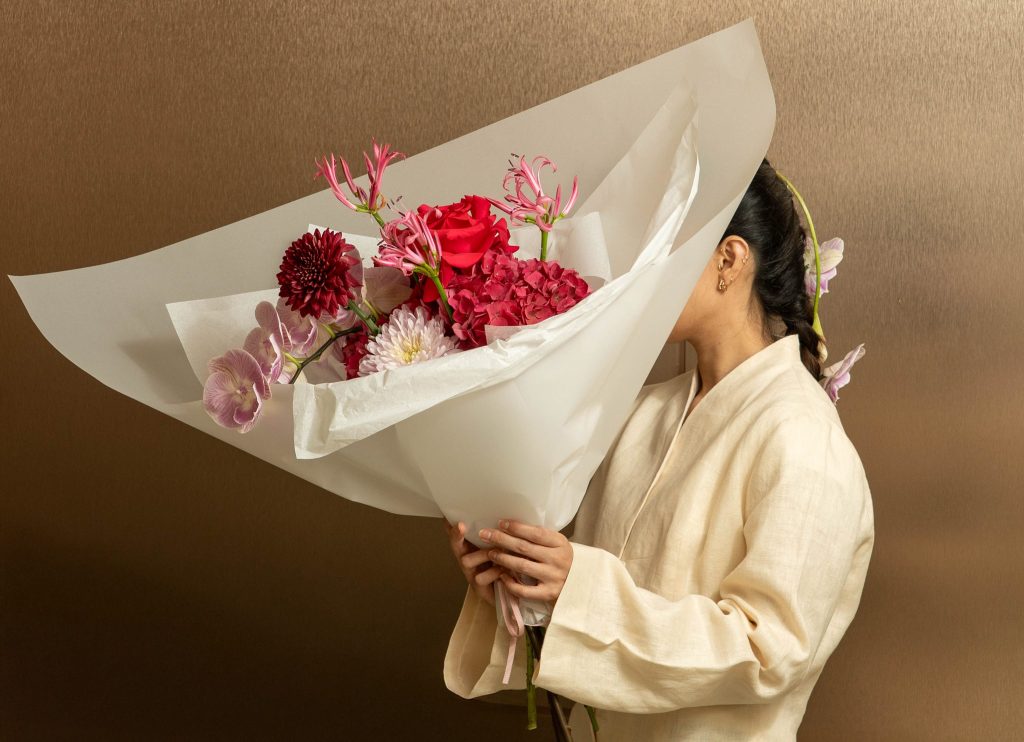
So the work starts with questions before a stem is chosen. Who is receiving this? What is the occasion? What kind of person are they? What should they feel when it arrives? Only then does the arrangement take form. Creativity here means reading someone else's story and giving it a visual language, with flowers, wrapping, the accompanying gift, the message, and the presentation built as one composition. It is why the founders describe Teel as broader than a floral studio. Flowers are part of the experience, not always the point.
Learning to let go
Early on, Noora and Mahra sat inside nearly every decision and knew every customer and order. That took discipline, and it taught them that energy and priorities need managing as much as the calendar does.
Growth turned their strength into a problem. The same attention to detail that shaped Teel made it hard to scale; two people cannot hold a company together. They built systems, handed off responsibilities, and trusted a team to execute a vision they had once run alone. Loosening that grip was not easy, and it changed their view of leadership. Caring for a company does not require being in every decision. It requires capable people, trust in them, and structures that let the business outgrow its founders.
Support beyond the studio
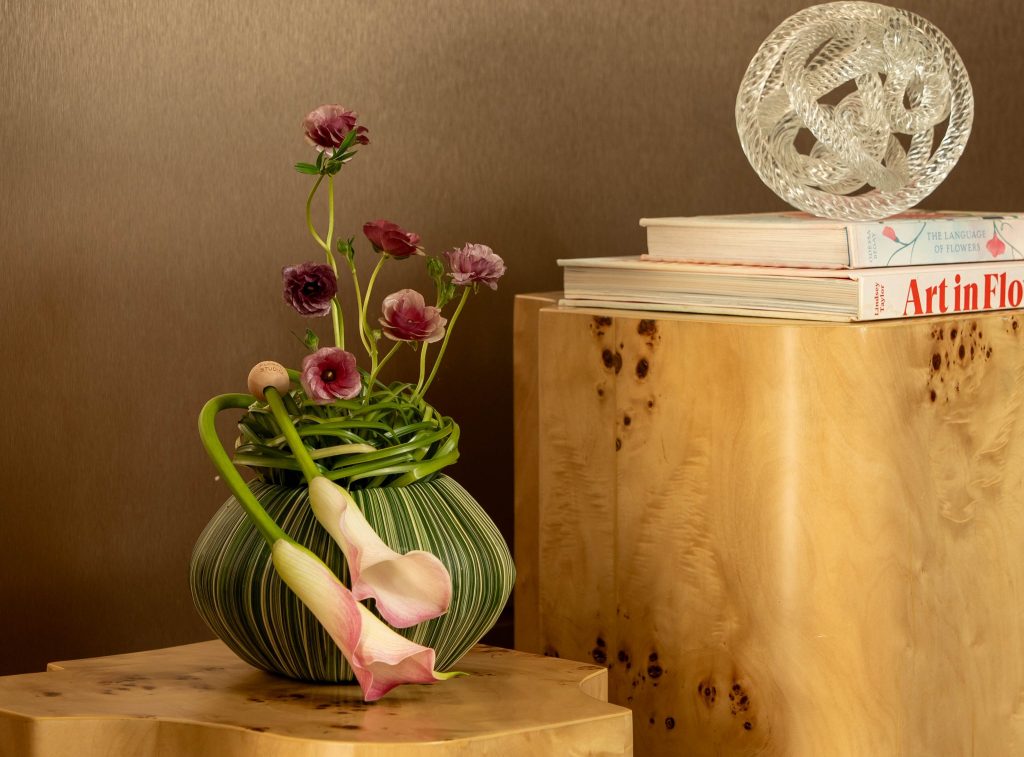
Joining the Sharjah Entrepreneurship Center (Sheraa) placed them among founders, mentors, and industry experts who know what building a company involves, and gave them room to step outside their own operations. The Sharjah Women Impact Fellowship was a particular opening: it let them sharpen their leadership, work with experienced mentors, and meet potential clients in the corporate and government sectors. Networking, workshops, mentorship, and partner connections across Sheraa's wider ecosystem keep putting them in front of people who push their thinking and open new routes to growth.
One customer, several chapters
Some of Teel's clearest measures of success have nothing to do with design. One customer arrived for her engagement, returned for her bridal bouquet, called on Teel for the flowers and giveaways when she had a baby, and again for the baby's first steps.
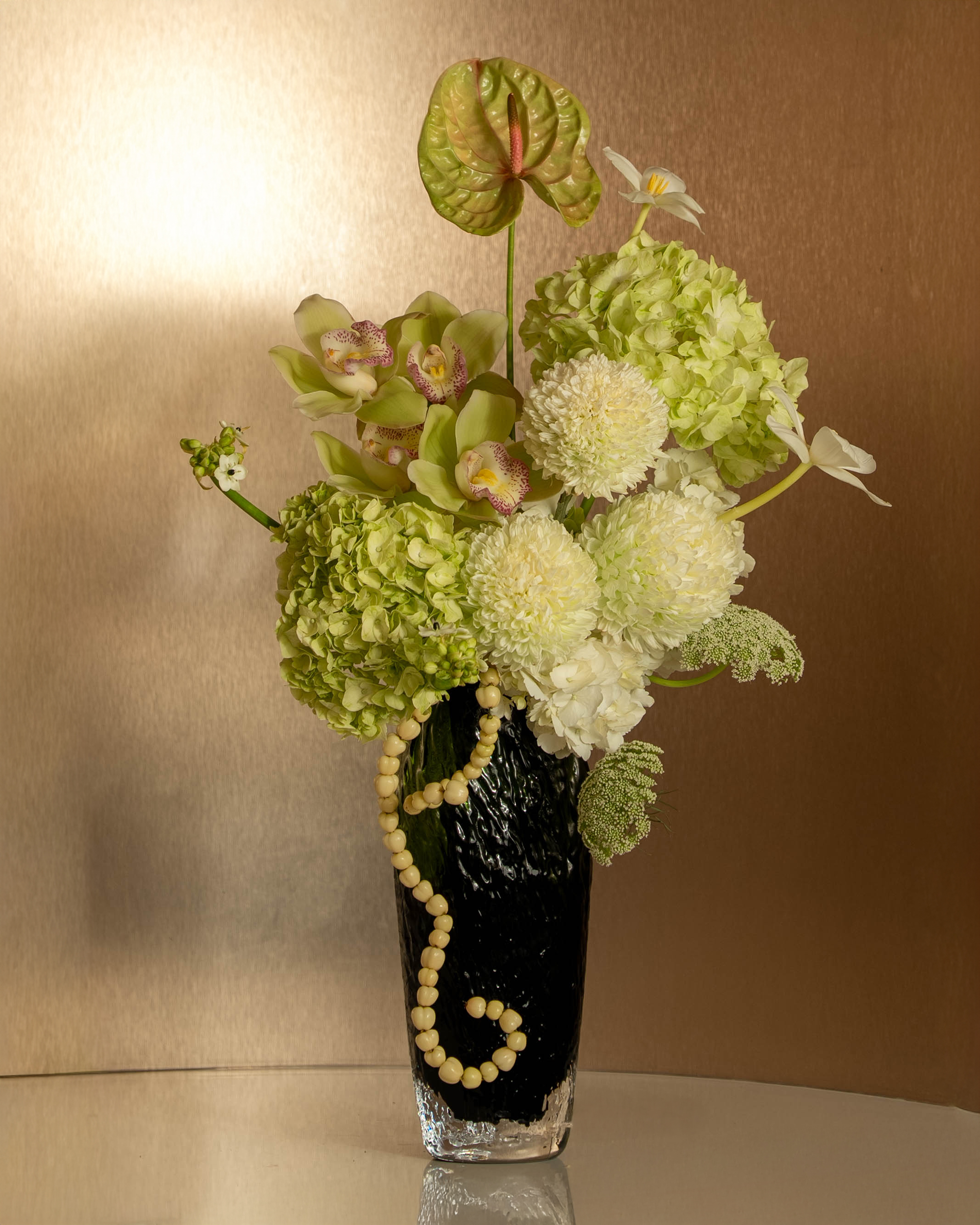
“It made me realize that success isn’t just measured by the number of orders we receive. It’s measured by the trust people place in us to be part of their most meaningful moments, over and over again.”
An arrangement wilts. A relationship can run through engagements, weddings, births, and whatever follows.
Identity and what lasts
Teel's identity is bound to the values its founders bring as Emirati women. A modern brand and a cultural grounding are not opposing forces; the generosity, hospitality, resilience, and community they grew up around shape how clients are received and how much care goes into each gift. They place themselves in a generation of Emirati women urged to build ambitiously, take up technology and innovation, and pursue opportunities internationally without stepping away from who they are. Strength, as they describe it, lies in “having the confidence to move forward, while carrying your identity with you.”
No single arrangement sums up the company's journey, which seems right. Noora and Mahra did not start Teel out of a love of flowers; they started it from years of making things together. Teel gave that instinct a shape, and the unglamorous parts followed — patience, delegation, leadership, getting comfortable without every answer. Every arrangement starts with a person. Every gift carries a story. The flowers fade. What Teel is building is meant to last longer.

