Iraq Devalues Dinar to 1,520 Per Dollar as Oil Export Revenue Slips
The Central Bank of Iraq set a cash sale rate of 1,520 dinars to the dollar, a roughly 14.5% devaluation aimed at offsetting lost oil income.
Tariq Benali Tariq Benali covers business and corporate news across the UAE and MENA for Anecdoted, tracking the deals, leadership moves and regulatory shifts behind the region's companies. tariq@anecdoted.com
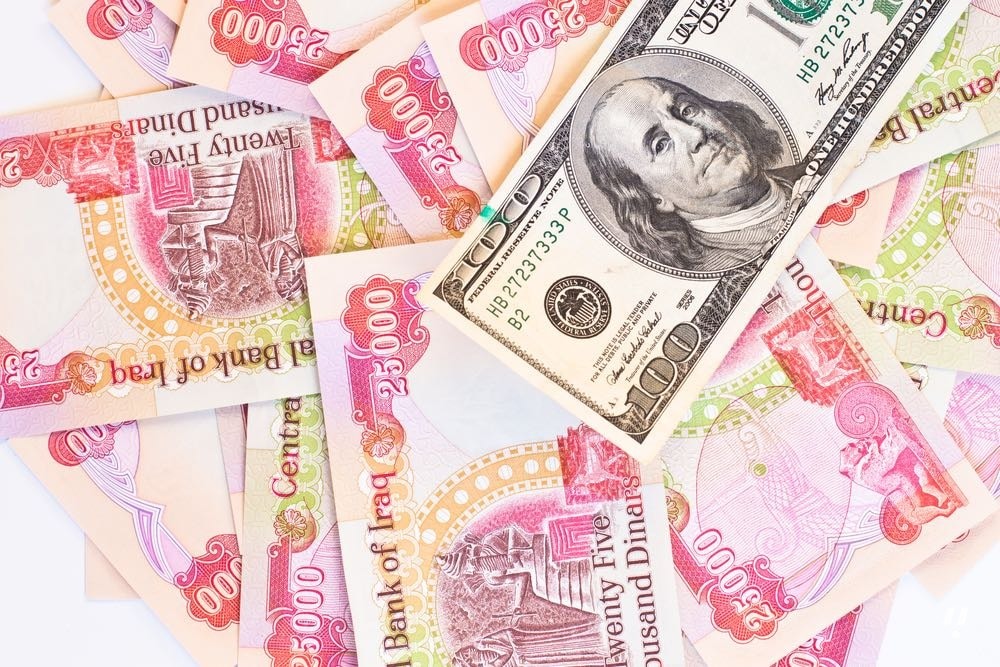
Iraq's central bank has fixed a new exchange-rate structure for the dinar, placing the cash sale rate at 1,520 dinars to the US dollar. The Central Bank of Iraq said the change was coordinated with the federal government and the Council of Ministers. The Cabinet adopted it on Tuesday, and it took effect the next day, October 7.
The pricing is tiered by buyer. The Ministry of Finance purchases dollars at 1,500 dinars each. Banks and non-bank financial institutions sell dollars to end beneficiaries at 1,510 dinars. Cash buyers pay 1,520.
Measured against the previous official rate, the move amounts to a devaluation of roughly 14.5%.
The central bank described the adjustment as a strategic measure to support economic stability and strengthen the domestic economy. It said the country's foreign-exchange reserves are sufficient to meet external-transfer requests for trade financing, bank-card settlements and cash sales to travelers, with no restrictions applied.
Aimed at local production
A cheaper dinar is meant to help Iraqi goods hold their own against imports and give local industry room to grow. The stated aims include encouraging national factories and companies to expand, drawing investment into non-oil productive sectors, and opening opportunities for small and medium-sized businesses and for employment.
Falling oil revenue
The timing follows a sharp break in oil exports, the main source of state income, as regional conflict disrupts shipments. Iraqi crude exports fell to about 2.34 million barrels per day in August, down from more than 3.6 million bpd before the war. Because oil supplies the bulk of government revenue, that decline feeds straight into the budget outlook.
Mohammed al-Saffar, an Iraqi analyst, called the rate change a fiscal response to the shock to Iraq's oil revenues from the Iran war and disrupted exports. It gives the government more dinars for every dollar of oil revenue, he said, while raising import costs and reducing households' purchasing power.
The devaluation lands alongside Iraq's draft 2027 budget, which assumes oil at $58 a barrel. That budget projects spending of 217 trillion dinars, or $142.7 billion, and a deficit above 40 trillion dinars ($26.32 billion). It counts on crude exports of roughly 4 million bpd, including shipments from the Kurdistan region.
In August, Prime Minister Ali Al-Zaidi said Iraq intends to raise oil production to between 8 million and 10 million bpd within six years, a target well above both the current export flow and the level the draft budget assumes.

