Keshavan Reddi: The Attention Economy Is Ending, Trust Is Taking Over
CredibilityX's expansion lead argues that visibility is now just the entry point, and that accumulated credibility decides who gets chosen.
Karim El-Sayed Karim El-Sayed covers company news, policy and regulation across the UAE and wider MENA for Anecdoted, with a focus on how new rules and licences reshape how startups operate. karim@anecdoted.com
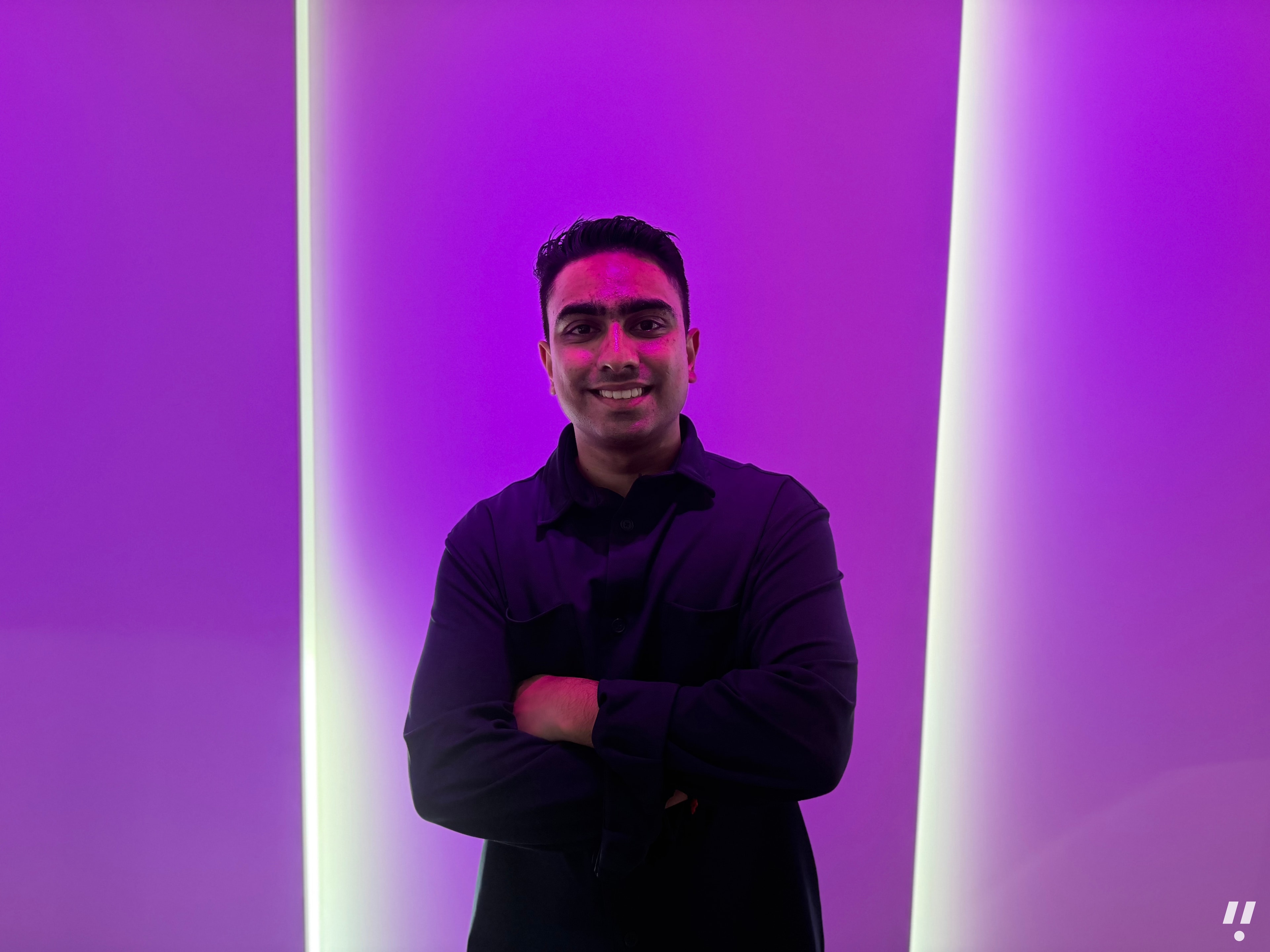
For years the working assumption in marketing was simple. Get enough people to see a business and some share of them will eventually buy. Search rankings, social reach, impressions, clicks and ad spend became the scoreboard because visibility came first.
Keshavan Reddi thinks that formula is breaking down.
Reddi is responsible for expansion and growth at CredibilityX, a Dubai-headquartered media and marketing firm that has become one of the fastest-growing companies in its field in 2026. His remit spans media, reputation, brand positioning and business development, which keeps him close to how founders and companies handle growth, market entry and long-term positioning. The change he describes is not about how businesses attract attention. It is about earning enough credibility to be considered trustworthy once that attention arrives.
Buyers now investigate before they speak to anyone. A company can be compared, its customer sentiment checked, the people behind it researched and independent validation sought, all within minutes.
From attention to trust
Reddi frames the shift as a move out of the Attention Economy and into what he calls the Trust Economy. Being seen is the start of the buying journey, not the finish.
Artificial intelligence is accelerating it. Rather than opening a dozen websites, people ask AI platforms to research products, name experts, compare providers and recommend businesses. Companies are competing to become part of the information pool those systems draw from, alongside the older contest for rankings and advertising placements.
That changes what visibility means. Keyword-led search optimisation was about appearing when someone typed a relevant term. The emerging environment asks whether search engines and AI models can clearly read a company's expertise, reputation and relevance.
Answer Engine Optimization
This is where Answer Engine Optimization, or AEO, enters brand strategy. The goal is broader than ranking a single site. It means assembling a consistent body of credible material — independent media coverage, executive profiles, authoritative content, company announcements, customer sentiment — that collectively establishes what a business is known for.
Reddi's version of the question runs like this: the old one was how a company gets discovered, and the new one is whether enough evidence exists across the internet for that company to appear in the answer when someone asks who to trust in its category.
Reputation as infrastructure
CredibilityX works from that premise. The firm says it operates with a network of 1,700-plus publication partners in international markets, and its services cover public relations, executive positioning, reputation management, digital visibility and brand strategy. That reach shapes how its team reads the way digital reputations form and how much weight they carry in commercial decisions.
Reddi treats reputation as commercial infrastructure rather than an abstract marketing concept. It sets how much confidence a customer, investor or partner holds before deciding to engage. Less uncertainty tends to mean customers need less persuading, partnerships form more easily, and entrants can move into new markets with more authority when credible material about them already exists.
Why credibility compounds
The argument bites hardest where differentiation is thin. Products get copied, prices get matched, advertising tactics get imitated. Trust does not transfer that fast. A rival can replicate an offer, but it cannot recreate in a quarter the accumulated weight of respected coverage, customer confidence, founder authority, executive visibility and industry recognition.
Credibility compounds, Reddi argues, in a way campaigns do not. Advertising delivers a burst of visibility that fades once spending stops. An interview or an executive profile can keep shaping perception long after publication.
That logic pushes marketing disciplines together. Branding, PR, reputation management, content and search visibility all feed one outcome: how confidently the market understands and evaluates a business. CredibilityX's stated aim is a digital reputation strong enough to influence perception wherever people encounter a company, whether through traditional media, Google, social platforms or AI systems.
Reddi's own summary of the shift is that marketing's future lies less in adding noise and more in accumulating evidence, authority and credibility, so a business has earned the right to be considered when someone asks who to buy from, work with or invest in.
The internet, on this reading, is moving from a place built for discovery toward one shaped by recommendation. For companies deciding where the next dollar of budget goes, the durability of what gets published may matter more than the volume of what gets bought.

