Middle East crude exports hit 12.8 million bpd as Saudi shipments recover
September was the strongest month since the war with Iran began, but the region still ships roughly 6 million barrels per day below pre-conflict levels.
Tariq Benali Tariq Benali covers business and corporate news across the UAE and MENA for Anecdoted, tracking the deals, leadership moves and regulatory shifts behind the region's companies. tariq@anecdoted.com
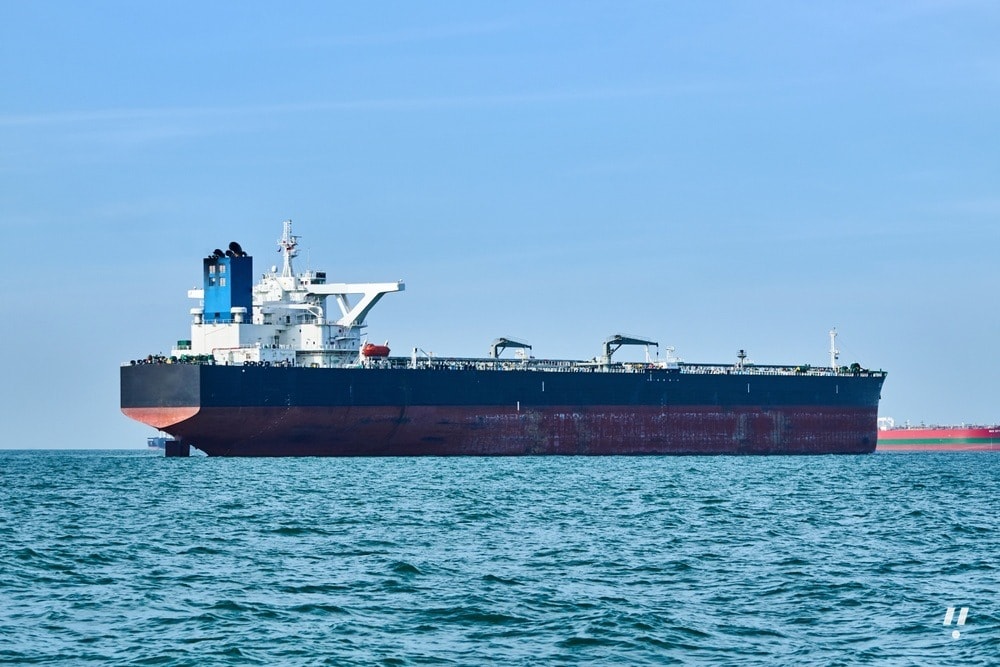
Crude exports from Middle Eastern producers rose to 12.8 million barrels per day in September, the strongest monthly reading since the US-Israeli war with Iran started in late February. Saudi Arabia and the UAE drove most of the increase.
Saudi Arabia is expected to ship about 5.4 million bpd this month, more than double the 2.4 million bpd it managed in August, according to preliminary shipping data from Kpler released on Monday. The recovery shows up at Ras Tanura, the kingdom's main Gulf terminal, where loadings returned to roughly 3.6 million bpd in September from 929,000 bpd the month before. Even so, Ras Tanura remains well below the 6.4 million bpd it handled before the conflict.
A route change sits behind the rebound
Part of the September gain reflects where Saudi barrels are leaving from rather than how many are leaving. Attacks hit the East-West pipeline, the overland route that carries crude to the Red Sea port of Yanbu, so the kingdom moved volumes back through the Gulf and the Strait of Hormuz. Hormuz flows are on track to reach about 7.4 million bpd this month. Nineteen very large crude carriers, each loaded with roughly 2 million barrels of Saudi oil, passed through the strait in a single week. Vessels that switched off their automatic identification system transponders to avoid detection are not counted in the figures.
About 6 million bpd is still missing
September is a rebound, not a return to normal. Kpler tracks seven major regional producers: Saudi Arabia, the UAE, Iraq, Oman, Qatar, Kuwait and Iran. Together they put 18.8 million bpd into the market in February, before the fighting began. At 12.8 million bpd, September leaves a shortfall of roughly 6 million bpd against that level, a volume the rest of the global system has had to cover.
Traffic through Hormuz points the same way. Before the war started on February 28, about 125 large commercial vessels passed through the strait each day, a mix of crude tankers, gas carriers, bulk carriers and container ships. The waterway normally carries around one-fifth of the world's daily crude oil and liquefied natural gas supply. The chokepoint is busier than it was in the spring, but it has not returned to its pre-war pace.
Why the shortfall matters beyond the region: Hormuz is the only sea outlet for Saudi Arabia's eastern fields and for most of its neighbours' crude, which makes loading rates there the practical ceiling on how quickly the region can rebuild exports. September shows that ceiling rising. It also shows how far it still sits from February.

