Qatar Extends LNG Force Majeure as Hormuz Standoff Drags On
QatarEnergy tells buyers in Pakistan, Bangladesh and India that cancelled cargoes will stay cancelled through November as the Strait of Hormuz remains restricted.
Tariq Benali Tariq Benali covers business and corporate news across the UAE and MENA for Anecdoted, tracking the deals, leadership moves and regulatory shifts behind the region's companies. tariq@anecdoted.com
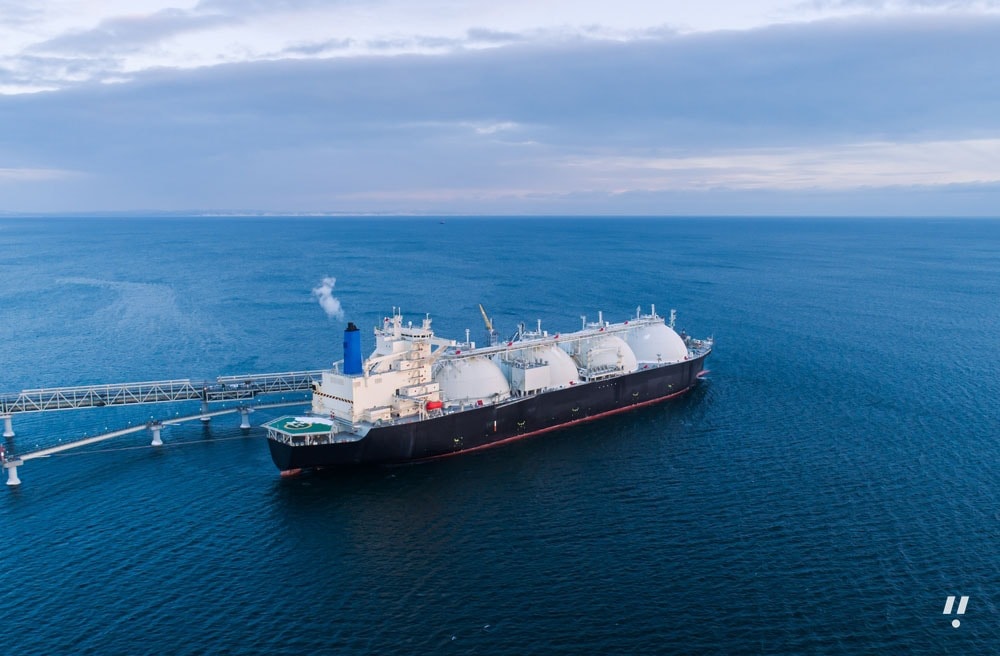
Qatar has extended force majeure on liquefied natural gas supplies to buyers in Asia and Europe by another month, as disruption in the Strait of Hormuz continues to hold back energy flows.
Force majeure is the contractual escape hatch that lets a supplier cancel agreed deliveries when events outside its control make them impossible to fulfil. QatarEnergy, the state-owned producer, has invoked it again.
The company told buyers in Pakistan and Bangladesh that cancelled cargoes would stay cancelled through November, according to people familiar with the notices. At least one Indian customer was told the same. Edison SpA of Italy said its deliveries remain suspended until early December.
QatarEnergy has been returning to customers roughly once a month to extend the suspensions since the regional conflict began in February, so importers are planning around rolling notices rather than a fixed date for resumption.
For those buyers, the practical effect is a gap that has to be filled elsewhere or absorbed. Utilities and state importers holding long-term contracts with Qatar must decide whether to chase replacement cargoes on a spot market where prices have been rising, or cut consumption.
Hormuz stays the bottleneck
The strait carried about one-fifth of global LNG supply last year. A partial closure there reaches markets thousands of kilometres away, and it reaches them quickly.
Qatar has lifted more cargoes through the waterway this month. Volumes are still well below their pre-war levels.
Whether the strait reopens is a political question as much as a shipping one. Iran has said it will not soften the conditions it has set for restoring passage. US President Donald Trump has sent mixed signals about his willingness to reach an agreement. Negotiators from the two countries have explored a phased arrangement that could reopen Hormuz, but no agreement has been reached.
Prices, plant damage and the winter ahead
The pressure is already visible in prices. LNG benchmarks in Europe and Asia have climbed to around their highest since late 2022, raising the prospect of costlier utility bills for households as the Northern Hemisphere heads into winter.
Supply from Qatar is constrained at the source as well. The Ras Laffan export facility was attacked in March and has run at reduced capacity since. It is being maintained in readiness so output can be raised quickly if Hormuz reopens.
Even with some cargoes still moving, sustained restrictions narrow the LNG available to Europe and Asia. The damage accumulates over months rather than in any single lost shipment.
Buyers in South Asia are absorbing the cancellations in markets that were already tight. Pakistan recently arranged safe passage through the strait for another Qatari LNG shipment while it worked to close an energy shortfall.

