MoneyHash and Azm Fintech Expand Saudi Payment Access via Edaat
MoneyHash merchants can now reach Azm Fintech's Edaat gateway and SADAD KSA through a single integration.
Nadia Mansour Nadia Mansour covers fintech across the UAE and MENA for Anecdoted -- digital banking, payments licences and the startups building around them. nadia@anecdoted.com
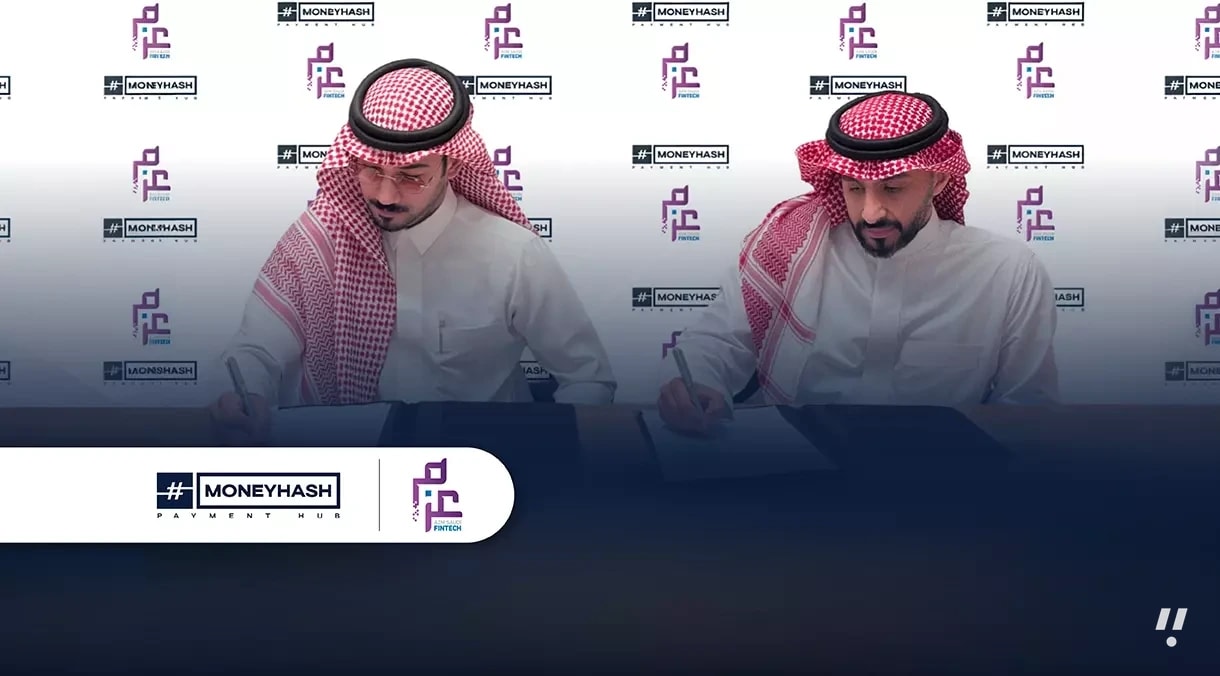
MoneyHash has connected its payment orchestration layer to Edaat from Azm Fintech. The result is a wider route into Saudi Arabia's digital payment ecosystem for merchants already using MoneyHash.
Through the integration, businesses can connect to Edaat's payment gateway and reach SADAD KSA, the kingdom's national payment service. They also get access to local billing and collection tools that were previously harder to plug into from an orchestration platform.
Edaat is a licensed billing and collections platform. It supports group account management, collections, and settlements across different technical platforms. For a MoneyHash merchant, the practical change is that a single integration now replaces multiple payment connections. They can accept payments, automate collections, and reconcile transactions without stitching together separate systems. The reconciliation piece is significant, because matching local collections against internal records often consumes more time than executing the payment itself.
Merchants only need to maintain one connection to Edaat through MoneyHash. That matters for finance teams handling the operational side of collections. Instead of moving between provider portals, they can track payment flows in one place and use the same workflow for recurring bills and one-off payments.
The companies framed the move as a response to demand from Saudi businesses for scalable financial technology. More companies are expanding payment operations in the kingdom, and the cost of maintaining several vendor connections grows with that expansion. This integration is designed to keep the added capability from becoming added complexity.
Abdullah Khayat, Country Director and General Manager for Saudi Arabia at MoneyHash, put it plainly. “Expanding payment capabilities should not mean adding more complexity to how businesses operate,” he said. MoneyHash’s job, he added, is to give businesses the infrastructure to reach local payment capabilities while maintaining unified control and visibility.
Expanding payment capabilities should not mean adding more complexity to how businesses operate,
Azm’s side sees the same logic. Hazem Al Rashed, Vice President at Azm Fintech, said the integration lowers the barrier to using Edaat’s tools. The partnership pairs MoneyHash’s orchestration layer with Edaat’s billing and collection infrastructure, which gives Azm a direct channel into merchants that already run payments through MoneyHash.
The integration sits on infrastructure aligned with Saudi Arabia’s regulatory requirements. That matters in a market where payment handling is tightly supervised. It also signals that orchestration platforms are no longer just an abstract layer for card routing; they are becoming how companies access country-specific billing networks such as SADAD.
Payment orchestration platforms have typically been judged by how many card processors they connect. That standard is shifting, particularly in markets where local collection networks remain separate from international card rails. The MoneyHash-Azm integration is an example of that shift. Access to SADAD KSA is not an added extra; it is the core of the deal. For a merchant operating in Saudi Arabia, being able to offer local billing and collection options can matter as much as the payment gateway itself.
For MoneyHash, the deal extends its reach into Saudi Arabia’s everyday payment flows. For Azm, it widens the distribution of Edaat beyond its own direct sales. The two companies are effectively betting that merchants want local collection infrastructure without the operational burden of managing it themselves.

