Salehli raises $100,000 from EBLA Ventures to widen Syrian home services
The Damascus-based maintenance marketplace, founded in 2025, plans electronic payments, B2B offerings and expansion into more Syrian cities.
Anecdoted Desk Anecdoted Desk covers rolling funding rounds and startup news across the UAE and MENA -- the wire for deals as they're announced. team@anecdoted.com
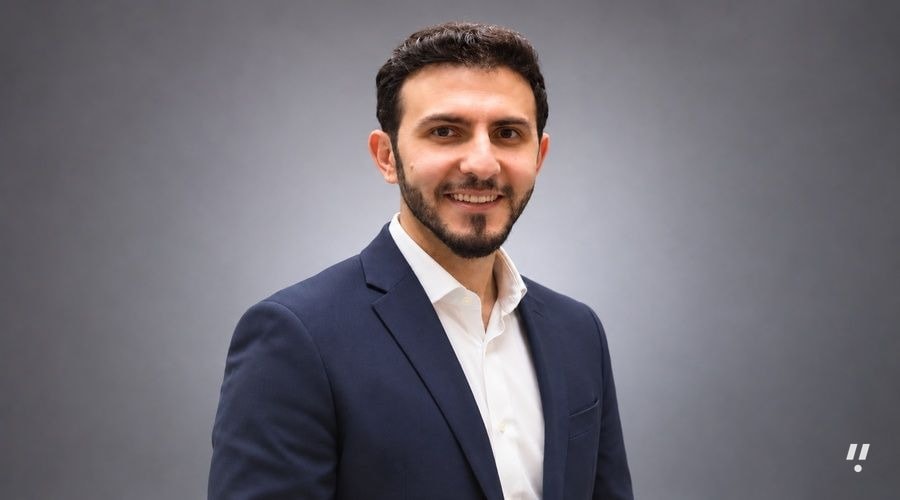
Salehli, a Syrian startup running a digital marketplace for maintenance and renovation work, has raised $100,000 from EBLA Ventures. The round's stage was not disclosed, and neither was whether other investors took part.
The company was founded in 2025 by AbdulRhman Arnaout. Its platform lets households and other customers submit requests for repair and renovation work, then collect quotations from professionals who have been vetted before joining. An on-site team checks the quality of work once it is under way, a layer Salehli says is meant to remove some of the guesswork from hiring a tradesperson.
A market built on word of mouth
Finding a reliable technician in Syria usually depends on personal recommendations or informal price arrangements between neighbours and acquaintances. Salehli's pitch is that a structured marketplace, with verification up front and supervision during the job, gives customers more transparency than those informal channels offer.
The numbers suggest the approach has found an audience. EBLA Ventures says Salehli drew more than 15,000 users and 3,500 service professionals in under a year, and that its platform has handled over 10,000 service requests. Close to half of its customers return for a second job.
From programme to term sheet
Salehli took part in the Thimar programme, which works with Syrian startups on building their businesses and getting them ready to raise money. The relationship did not stop when the programme ended. The founders kept working with EBLA Ventures on business development and on tracking how the company was performing, and that extended collaboration produced the investment agreement.
The new capital has three stated uses. One is the introduction of electronic payments, which would move transactions off cash at a time when digital payment habits are still thin in much of the country. Another is the development of B2B maintenance services aimed at companies and institutions rather than individual households. The third is entry into additional Syrian cities, extending the platform beyond its current footprint.
Why it matters
Home services marketplaces have become a well-funded category in the wider region, but Syria's market has drawn far less attention, largely because the conditions that make such businesses work — reliable payments, logistics, a base of vetted independent workers — are harder to assemble. Salehli is betting that demand for maintenance and renovation work is developing regardless, and that the constraint is organisation rather than appetite. If electronic payments take hold, the same infrastructure could support a broader set of services. The company is positioning itself for that possibility, but the immediate test is whether it can replicate its model in cities where its on-site supervision team has no presence yet.
The check is EBLA Ventures' fourth deal of 2026. The firm said the investment fits its interest in companies that address routine consumer needs.

