Saudi Arabia's Services Trade Deficit Widens as Exports Fall 16.5%
Services exports dropped to $15.9bn in the second quarter of 2026 while imports rose to $32.2bn, leaving a deficit of about $16.3bn.
Tariq Benali Tariq Benali covers business and corporate news across the UAE and MENA for Anecdoted, tracking the deals, leadership moves and regulatory shifts behind the region's companies. tariq@anecdoted.com
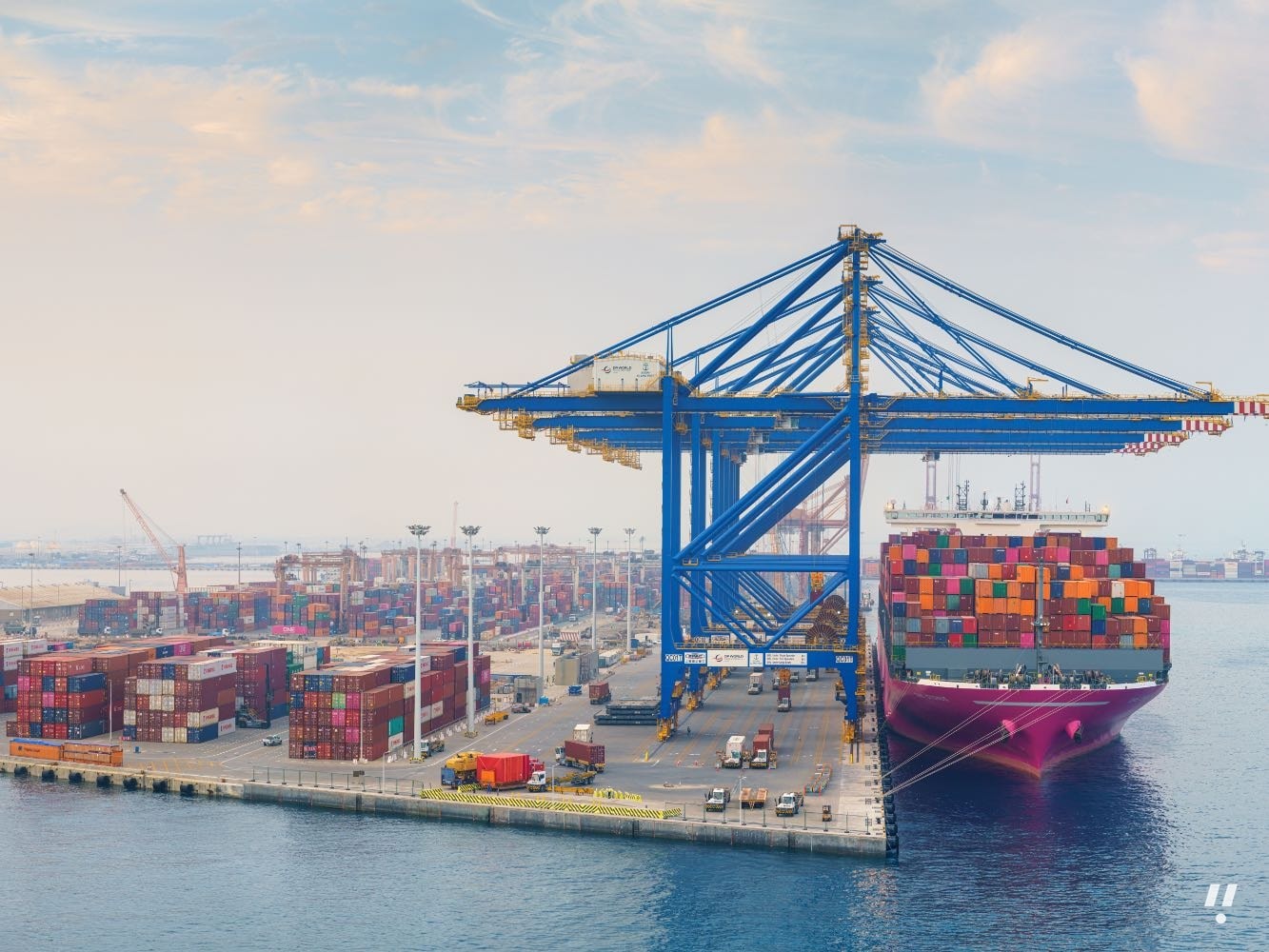
Saudi Arabia's services trade deficit widened in the second quarter of 2026, after exports fell 16.5% from the first quarter and imports rose 8.4%. General Authority for Statistics figures put services exports at $15.9 billion (SAR 59.5 billion), down from $19 billion (SAR 71.3 billion). Imports reached $32.2 billion (SAR 120.8 billion), up from $29.7 billion (SAR 111.4 billion).
Those numbers leave a gap of about $16.3 billion for the quarter, against roughly $10.7 billion in the first three months of the year.
Travel drives both the total and the fall
Travel stayed the largest services export at $9 billion (SAR 33.8 billion). Personal travel made up 93.9% of that. Weaker travel receipts were the main reason exports declined over the quarter.
Transport followed at $2.8 billion (SAR 10.5 billion). Air transport accounted for about 39% of transport exports, with maritime and land services supplying most of the remainder.
Smaller export lines were spread across several categories:
- Telecommunications, computer and information services: $693 million (SAR 2.6 billion), with telecommunications at 50.9% of the category.
- Other business services: $613 million (SAR 2.3 billion), more than half of it from professional and management consulting.
- Construction services: $480 million (SAR 1.8 billion).
- Government services: $480 million (SAR 1.8 billion).
- Financial services: $400 million (SAR 1.5 billion).
Manufacturing, insurance and pensions, personal and recreational activities, and maintenance accounted for the rest.
Imports climb on transport and travel
Transport was the biggest imported service at $9.1 billion (SAR 34.1 billion). Maritime transport took about 40.8% of that, ahead of air and land services. Travel imports stood at $6.7 billion (SAR 25 billion), and personal travel was roughly 92% of the category.
Other business services came to $5 billion (SAR 18.8 billion), with professional and management consulting at about 50.8%. Construction services added $3.9 billion (SAR 14.5 billion) and government services $1.9 billion (SAR 7.3 billion). Insurance and pension services reached $1.6 billion (SAR 6 billion), while telecommunications, computer and information services were $1.1 billion (SAR 4 billion).
The remaining import bill covered manufacturing services, personal and recreational services, financial services, charges for intellectual property, and maintenance and repair.
Food supply still leans on imports
Saudi Arabia continues to depend on imported machinery, construction materials and essential goods. A July 2026 International Monetary Fund report found that imports meet around 70% of domestic food consumption.

