Sirdab raises $10 million to expand logistics platform across GCC
Saudi Arabia-based logistics startup Sirdab raised $10 million in a Series A co-led by Elm and BECO Capital to expand across the GCC.
Anecdoted Desk Anecdoted Desk covers rolling funding rounds and startup news across the UAE and MENA -- the wire for deals as they're announced. team@anecdoted.com
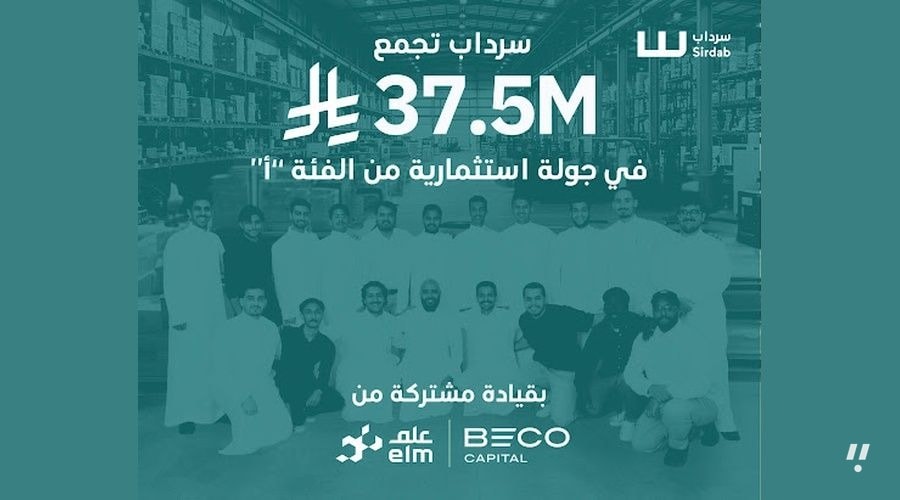
Sirdab has raised $10 million in Series A funding, equivalent to SAR 37.5 million. The round was co-led by Elm, a PIF-backed digital solutions company, and BECO Capital, which was already an investor in the startup. Y Combinator, COTU Ventures, and D Global Ventures also participated. Sirdab, a Saudi Arabia-based logistics startup, will use the capital to expand across Saudi Arabia and the GCC, grow its logistics network, and develop its technology platform, including its AI work.
Sirdab was founded in 2022 by Naif Alzahri, now its CEO, and Abdulrahman Alnamlah. Its platform handles warehousing and transportation services. Customers manage inventory and orders across multiple locations from one system, avoiding the need to coordinate separately with each warehouse or carrier. The platform covers dry, ambient, chilled, and frozen logistics. Cold and frozen goods require different equipment and handling than standard freight, so Sirdab is not just a broker of generic warehouse space.
The company operates an asset-light network of more than 120 warehouses and over 60 transportation providers. It does not own every asset on that network. Sirdab also runs company-operated facilities in key hubs, which keeps direct control over important areas without forcing the company to finance nationwide expansion on its own.
More than 850 businesses use Sirdab's platform. Its clients include government entities, publicly listed companies, and large enterprises. Sirdab has reached profitability and grew revenue 20x after graduating from Y Combinator's Winter 2023 batch. Reaching profitability before this round gives it flexibility: the company can spend for growth without depending on the new capital to survive.
The asset-light model shapes how Sirdab can enter new markets. In Saudi Arabia it can draw on an existing partner network. Across the GCC, capacity can be added by signing warehouses and carriers in each country rather than by building them. The harder task is adapting the coordination layer to new markets, where warehouse operations, transport rules, and customer expectations can vary.
The investor list matters here. Elm is backed by the Public Investment Fund and operates inside Saudi Arabia's digital sector. Many of Sirdab's customers are government entities and listed companies, areas where Elm has standing. BECO Capital had already backed Sirdab and knows the region's logistics market. Y Combinator links Sirdab to an international network of founders, funds, and potential partners.
Part of the new money will go into artificial intelligence. Sirdab now uses AI to match businesses with available capacity across warehouses and transport providers. It also automates coordination among shippers, warehouses, and carriers. That automation is central to expansion, since a platform that depends on manual calls and emails would be harder to scale across borders.
Alzahri said Saudi Arabia is building one of the most dynamic logistics markets in the world. Sirdab gives businesses the infrastructure to grow, he said. The funding allows the company to serve more businesses across the Kingdom and the wider GCC.

