Syria Overhauls Financial System With $100M World Bank Backing
Syria's central bank is replacing old banknotes as part of a $100 million World Bank-backed push to modernize the financial system.
Tariq Benali Tariq Benali covers business and corporate news across the UAE and MENA for Anecdoted, tracking the deals, leadership moves and regulatory shifts behind the region's companies. tariq@anecdoted.com
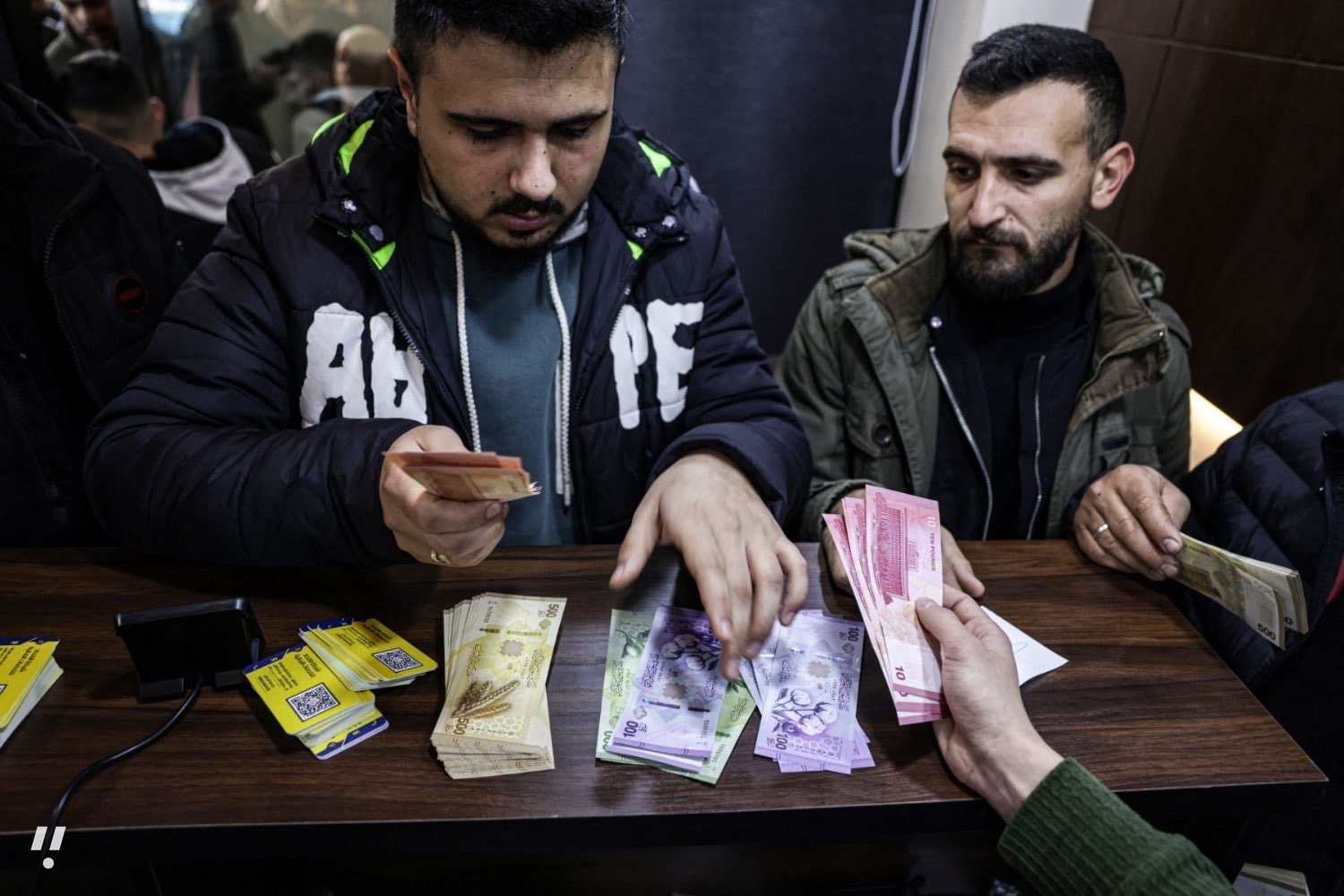
Syria's central bank is withdrawing older banknotes from circulation as part of a national currency exchange program backed by a $100 million World Bank grant. The central bank released a statement on Sunday. Old notes are being collected through authorized Syrian Post outlets across all governorates.
From August 2, citizens could exchange old notes for full value in new currency at public and private commercial banks and Syrian Post branches nationwide. The exchange was free of commissions, fees, taxes, and administrative surcharges. It lasted one week. In Deir ez-Zor, Raqqa, and Hasakah, the window was extended through August 20 at local central bank branches and designated postal points in those eastern governorates. Governor Mohammad Safwat Raslan said the extension followed direct monitoring and assessment of needs, according to SANA.
Preliminary estimates show the replacement covered more than 95% of the total money supply. The remaining withdrawal continues under flexible arrangements over a longer period.
The mechanics matter because Syria's financial system has long run on cash. The pound lost more than 99% of its value compared with pre-crisis levels, from about 50 per US dollar before 2011 to thousands. The economy absorbed sanctions, falling output and investment, pressure on foreign-exchange reserves, and the fallout of a conflict that began in 2011. The exchange is part of a broader push by Damascus to rebuild the financial system, modernize banks, expand digital payments, and strengthen financial oversight.
On Friday, the World Bank Board of Executive Directors approved the grant from the International Development Association. It funds the Financial Sector Modernization Project, which aims to create a safer and more digitalized financial system. The project will upgrade core financial infrastructure, rehabilitate the banking sector, and strengthen the Central Bank of Syria and the Financial Intelligence Unit. Investments include payment systems, financial market infrastructure, credit management facilities, and upgrades to the central bank's core banking systems, IT infrastructure, information security, and cybersecurity.
The project also funds independent Asset Quality Reviews of public and private commercial banks. It will advance risk-based supervision and strengthen anti-money laundering and combating the financing of terrorism frameworks. The project targets at least 15 million annual retail electronic payment transactions during implementation and digital payment adoption by at least 500,000 individuals and businesses, including 150,000 women.
The initiative aligns with priorities identified by the International Monetary Fund. A February 2026 IMF mission to Damascus said the new currency introduction was progressing well. The IMF stressed that the central bank should maintain price and financial stability, strengthen its independence, and establish an appropriate monetary policy framework. It called for a comprehensive assessment of banks' financial standing and for restructuring and rehabilitation of the banking system. IMF technical assistance focuses on drafting new legislation and regulations, rehabilitating payment and banking systems, strengthening banking supervision, and helping the central bank develop and implement an effective monetary policy framework.
Syria's financial sector is small and heavily bank-centric. It relies heavily on cash, has weak financial intermediation, and suffers from outdated digital payments infrastructure. Supervision and financial stability are challenges. Reliable data on solvency, liquidity, asset quality, and capital adequacy are scarce. Most financial system assets sit in state-owned banks, while private commercial banks operate on a limited scale. The payment ecosystem lacks modern, interoperable infrastructure.
A functioning financial system is critical to Syria's broader economic recovery, according to the World Bank. Banks and payment systems transfer wages and pensions, receive remittances, facilitate corporate transactions, support trade and investment, collect government revenue, and deliver aid.

