Tamara Secures US$400 Million in Asset-Backed Financing from MUFG and Standard Chartered
The Saudi fintech has drawn SAR749 million from MUFG Bank and added US$200 million to its dollar facility with Standard Chartered.

Tamara has secured US$400 million in asset-backed financing commitments from two international banks, MUFG Bank and Standard Chartered, as the Saudi Arabia-headquartered fintech platform pushes further into financial services across the kingdom and the wider Gulf.
The two facilities are of equal size. MUFG's commitment comes to SAR749 million, about US$200 million. Standard Chartered enlarged Tamara's existing US dollar-denominated financing facility by a further US$200 million. Both are asset-backed: the lending is secured against the receivables the platform generates, not against the company's balance sheet alone.
MUFG Bank is part of Mitsubishi UFJ Financial Group. The transaction draws on the group's Shariah-compliant financing capabilities and its international banking network, and gives Tamara access to institutional funding denominated in Saudi riyals rather than US dollars.
Tamara says the MUFG deal marks the first time an international bank has provided riyal-denominated securitization funding to a fintech company in the region.
Standard Chartered's money extends a facility that was already in place rather than opening a new one. The two sides said they may collaborate further on cash management, debt capital markets and other financial services.
The two banks bring different things to the table. MUFG contributes Shariah-compliant structuring capacity and a Japanese balance sheet. Standard Chartered contributes a dollar facility it has already been running with the company. Together the arrangements give Tamara funding lines in two currencies.
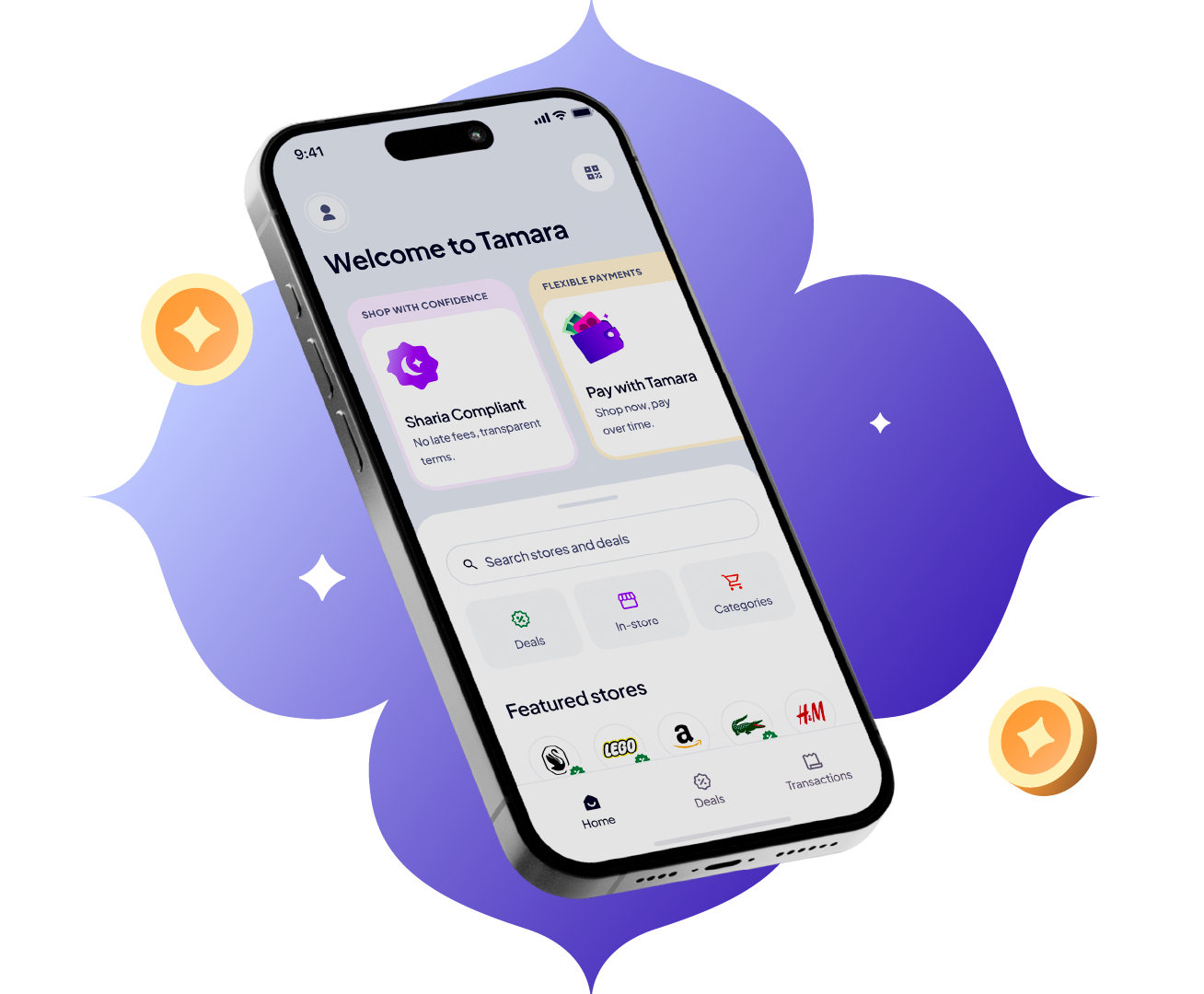
Abdulmajeed Alsukhan, Tamara's co-founder and chief executive, said the commitments from both banks reflect the strength of the company's business model and growing international trust in regional financial services. He said the partnerships reinforce Tamara's funding capabilities and support its ambition to offer more innovative, flexible financial solutions to consumers in Saudi Arabia and the wider region.
Tamara was founded in Saudi Arabia and now serves more than 26 million customers through a network of over 160,000 partner merchants. Those merchants operate in retail, travel, education and healthcare. Its shareholder base includes Sanabil Investments, a wholly owned subsidiary of the Public Investment Fund, and SNB Capital.
The financing is expected to support the expansion and diversification of Tamara's financial products and to strengthen its access to international institutional capital, with the company pointing to a broader suite of flexible consumer offerings across the region as the goal.
Both agreements align with Saudi Arabia's Financial Sector Development Program under Vision 2030, which aims to expand access to financing, strengthen non-bank financial institutions and develop alternative funding mechanisms.
For fintech lenders in the region, raising money in local currency has been the harder half of the problem. Borrowing riyals against riyal-denominated receivables limits the currency mismatch that dollar debt creates, and having a Japanese bank and a British one underwrite that exposure gives other international lenders a reference point when they price similar transactions.
International banks have been paying closer attention to Saudi fintech. Companies in the sector are looking to widen their funding sources as they build out services across the region, and these transactions show where some of that capital is now coming from.


