UAE Non-Oil Trade With BRICS Tops $312 Billion, Up 28.5%
The bloc now accounts for more than 30 percent of the UAE's non-oil trade, Foreign Trade Minister Thani bin Ahmed Al Zeyoudi said.
Karim El-Sayed Karim El-Sayed covers company news, policy and regulation across the UAE and wider MENA for Anecdoted, with a focus on how new rules and licences reshape how startups operate. karim@anecdoted.com
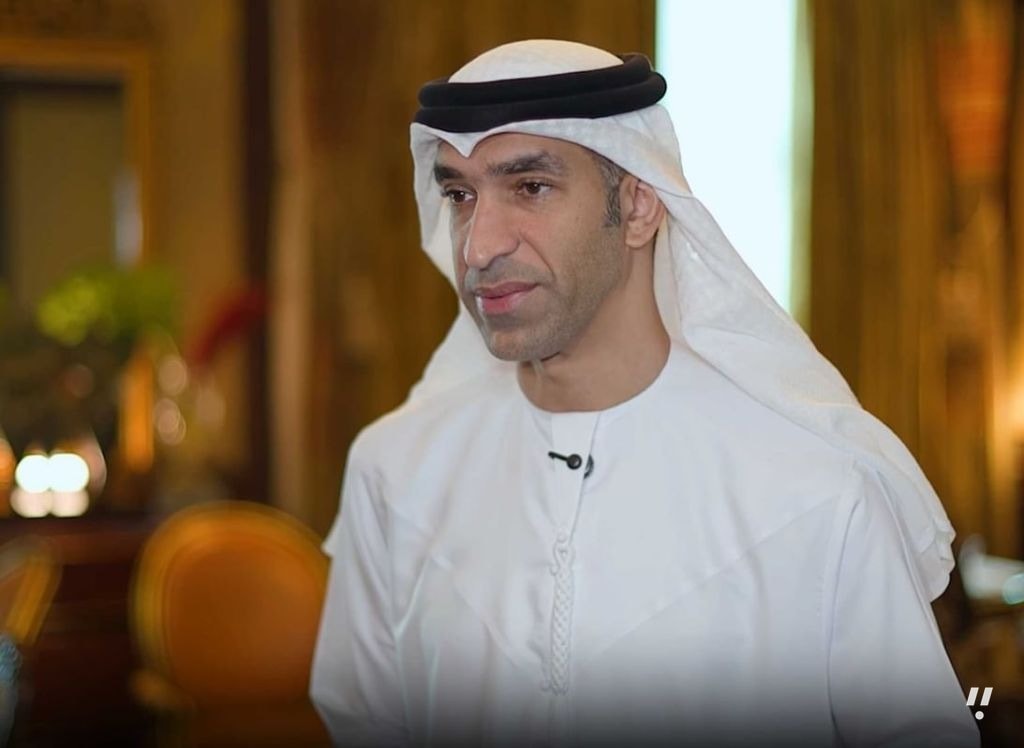
Non-oil trade between the UAE and the BRICS group passed US$312 billion in 2025, a rise of 28.5 percent on the previous year. Dr. Thani bin Ahmed Al Zeyoudi, the UAE Minister of Foreign Trade, released the figures through WAM.
BRICS members absorbed more than 30 percent of the UAE's total non-oil trade, making the group one of the largest single destinations for Emirati goods and services outside the oil and gas sector.
The numbers arrived as the UAE took part in the 18th BRICS Summit in New Delhi, India. H.H. Sheikh Khaled bin Mohamed bin Zayed Al Nahyan, Crown Prince of Abu Dhabi, headed the UAE delegation to the summit.
Al Zeyoudi said the UAE's participation reflected its commitment to international cooperation, development and peace. He also pointed to bilateral meetings held on the sidelines of the summit, which he described as part of the country's effort to put the discussions to practical use in facilitating trade.
The trade indicators, he said, pointed to further opportunities for economic cooperation with BRICS members. He cited what the group offers Emirati exporters and investors: large markets, young populations, expanding economies and advanced industrial bases.
Technology sits at the center of that case. Al Zeyoudi stressed the role of technology and innovation in BRICS economies, and said advances in the application of technology, along with the presence of major companies, could support knowledge exchange and cooperation in future-focused sectors.
The UAE, he added, wants to use the summit discussions to widen its network of free trade agreements and comprehensive economic partnerships.
A share worth watching
A single bloc accounting for more than 30 percent of non-oil trade cuts two ways. It gives the UAE a set of partners deep enough to anchor its diversification push, and it ties a meaningful slice of that trade to the economic cycles and policy choices of those partners.
That is what makes the agreement agenda the item to track. Free trade and partnership deals take years to negotiate, so stacking bilateral arrangements alongside a bloc-level relationship spreads exposure rather than betting on a single route into the same markets.
The growth rate for 2025 is now on the record. Whether the talks held in New Delhi turn into signed agreements is the next number that will matter.
By Entrepreneur Middle East Staff. Image courtesy WAM.

