uPaint Uses AI to Turn Personal Photos Into Paint-by-Numbers Kits
The UAE startup pairs a machine-generated canvas design with a human hand, betting that what keeps people from painting is intimidation rather than a lack of talent.
Karim El-Sayed Karim El-Sayed covers company news, policy and regulation across the UAE and wider MENA for Anecdoted, with a focus on how new rules and licences reshape how startups operate. karim@anecdoted.com
Two friends who have been trading business ideas since their university years think the reason most people never paint has little to do with ability. Mohamad Abbas and Bahaa Eddine Mneymneh argue that millions of people stay away from art because they have decided, usually without testing the claim, that they are not creative enough.
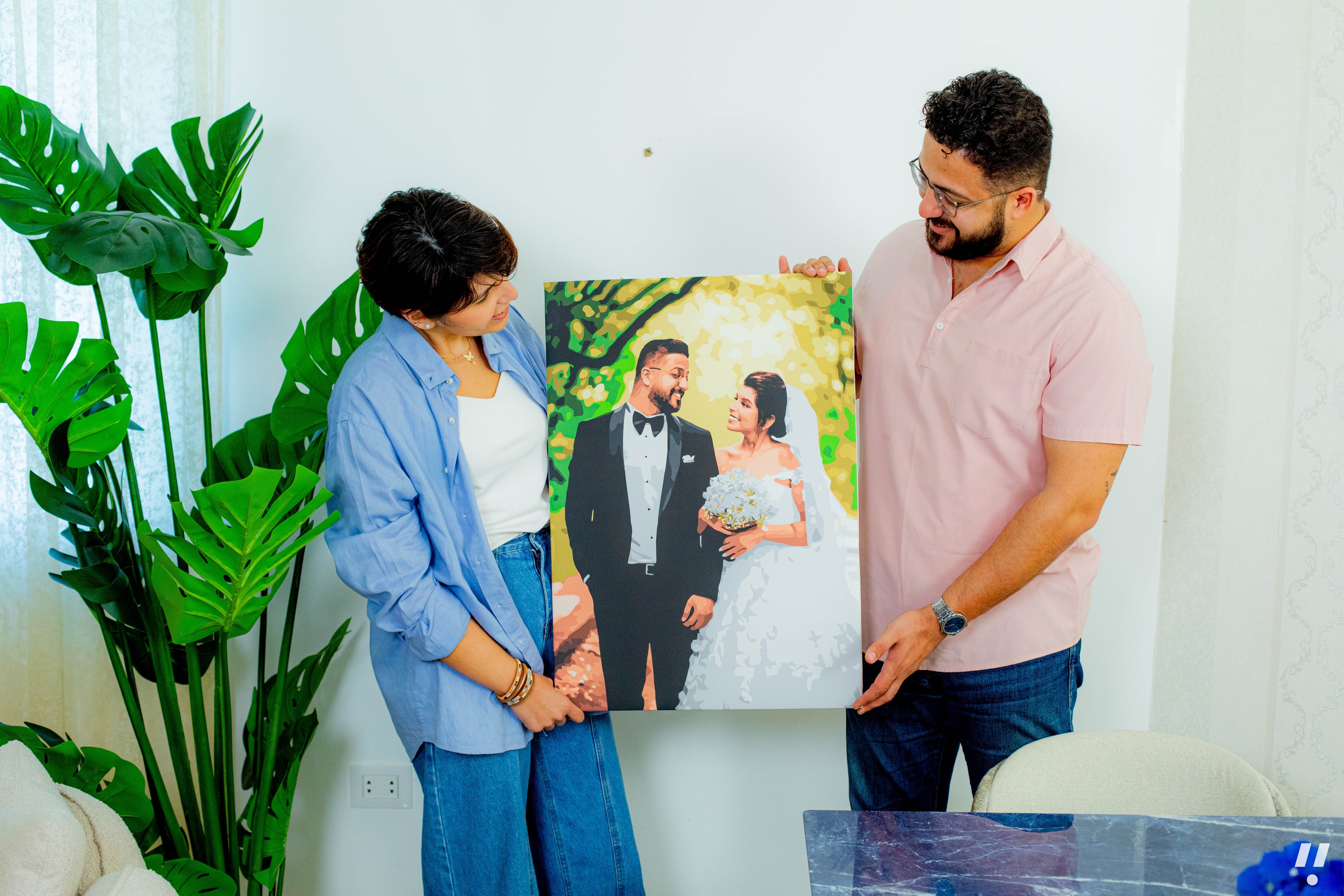
Their company, uPaint, is built on that premise. The UAE-based startup takes a customer's personal photograph and turns it into a paint-by-numbers kit, a canvas marked out so that anyone can fill in the shapes and end up with a finished piece. No prior experience required.
The founders describe their goal as removing the intimidation that stops people from picking up a brush in the first place. They say creativity should not feel like a closed club, and that the joy, mindfulness and sense of accomplishment that come from making something by hand ought to be available to everyone.
Where the AI stops and the painter starts
uPaint's proprietary process uses artificial intelligence to convert a photograph into a detailed paint-by-numbers design. Then the software gets out of the way. The painting is done by hand, by the customer.
Abbas frames the split plainly: AI should take down barriers rather than substitute for creative work. In his account, the technology prepares the canvas and the buyer makes the artwork. It is a position that sets uPaint apart from startups treating automation as the product itself.
A production line behind the software
Turning that concept into a business meant more than writing code. Each order pulls together AI, manufacturing, logistics, product design, fulfilment and customer service. The founders say good technology alone was never sufficient. They had to source premium materials, tighten production, build efficient operations and manage the customer's experience from the moment an order is placed until the last section of the canvas is filled.
Kits are made in the UAE from cotton canvas, acrylic paints and carefully chosen brushes. Most orders ship within a few working days. The company also fields hands-on support, helping customers pick an image that will translate well and answering questions as they paint.
Two different temperaments
The partnership works because the two founders are not alike. Abbas leans toward ambitious ideas and the long view. Mneymneh supplies structure, operational discipline and follow-through. That division of labour has carried them through late nights and decisions that were hard to make, including the stretches when walking away would have been simpler.
Both say the process has changed them. Setbacks hardened their resilience, and the lesson they keep returning to is that founders are not the people who dodge obstacles. They are the ones who keep moving anyway.
Success, measured in messages
Funding rounds and revenue are the usual scoreboard. uPaint watches its inbox instead. Families paint shared memories together. Couples recreate wedding photographs. People who spent years assuming they had no artistic talent finish one canvas and start looking for the next. The founders say customers do not form attachments to the technology; they form them to the memories and to the feeling of having made something they assumed was beyond them.
Support from Sheraa, through its Entrepreneurship Resilience Fund, a grant-based initiative for startups based in Sharjah and companies in its portfolio, has connected the founders with mentors, partners and customers. The wider UAE startup scene, they say, gave them the confidence to look past their home market.
They want uPaint to be recognised internationally. The benchmark they care about is narrower: how many people come to see creativity as something that was never reserved for the naturally gifted, and simply start with a brush.

