What it takes to run a multi-currency card programme
A look at the operating logic, funding rules, and platform changes behind multi-currency travel cards.
Nadia Mansour Nadia Mansour covers fintech across the UAE and MENA for Anecdoted -- digital banking, payments licences and the startups building around them. nadia@anecdoted.com
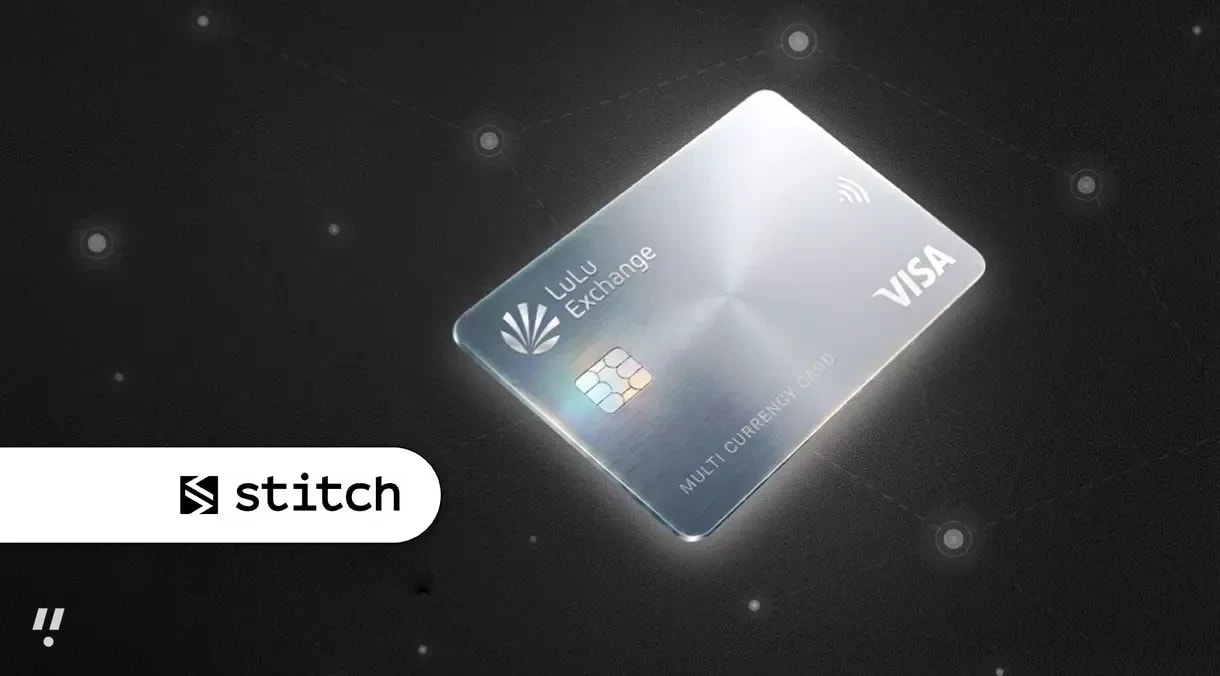
A multi-currency card transaction in Tokyo looks like any other card payment at the point of sale. Yet the issuer must identify the purchase currency, locate the matching wallet, decide whether another balance should cover a shortfall, and apply foreign exchange where needed. The transaction still has to be authorised, settled, and reconciled across programme records and external partners. That hidden work is becoming more common. Cross-border transactions on Asia-Pacific-issued Visa cards grew at more than twice the rate of domestic transactions in 2025. Spending at travel merchants rose roughly 2.5 times as fast as overall card spending, and over 300 million people travelled internationally in the first three months of 2025, up 5% from the same period in 2024, according to UN Tourism.
A conventional card typically checks one primary balance before approving a purchase. A multi-currency programme can have several live wallets, each with its own balance, spending limits, pricing, and fee rules. Before authorisation, the platform must decide which wallet funds the purchase and what to do if that balance falls short. LuLu Exchange met this problem in the UAE.
Fragmentation turns small changes into big projects
LuLu Exchange previously used separate processors, issuing infrastructure, FX providers, and settlement systems. No single operating layer managed the logic across them. The arrangement capped product development at its transaction volumes. Adding a currency required a new integration, because a currency change touches the card programme across issuing, processing, FX, settlement, and reconciliation — not just the wallet. Adjusting a transaction limit or fee meant coordinating several vendors.
Most issuers can source those functions from separate providers. A fragmented-stack diagram shows it: issuing, wallet management, processing, FX, settlement, and reconciliation spread across multiple vendors. Stitch consolidated issuing, processing, FX, ledger management, and reconciliation into one operating environment. A common data model gives LuLu Exchange a shared view of balances and activity, and a consistent set of APIs lets programme rules change without separate connections for each function.
In Stitch's architecture, processing and FX connect with wallet management, while card-scheme connectivity, settlement, and reconciliation sit on the other side. A ledger maintains the programme's record of balances and transaction movements. The bank sponsor and payment networks keep their roles; Stitch coordinates the card, wallets, and transaction logic. The operating layer lets LuLu Exchange configure currencies, fees, transaction limits, and wallet priorities.
Priority-based wallet dipping
Funding logic needs a clear rule for which balance is used next when the matching wallet lacks money. In a Stitch example, a customer makes an AED 100 purchase with only AED 70 in their euro wallet. The programme checks another wallet and converts only the AED 30 needed to complete the purchase. Stitch calls this priority-based wallet dipping: customers arrange wallets in a preferred order, and one authorisation can draw from more than one balance without manually moving money.
After approval, the transaction updates the relevant wallets and ledger accounts. Settlement and reconciliation confirm that programme records match the payment network and settlement partners. Without a reliable source of truth, operations staff may need to trace a mismatch across several systems after the customer has completed the purchase. These funding decisions affect customer experience, FX economics, and the operations team's reconciliation work.
Financial institutions must choose whether currencies, limits, and pricing can be changed through configuration or require engineering work, vendor approval, and a new release. LuLu Exchange's reloadable prepaid travel card supports AED and 25 other currencies, giving customers 26 currency wallets, in digital and physical form through the LuLu Money app. The app lets users manage PIN, adjust spending limits, freeze or unfreeze the card, and review transaction history. The card connects through APIs and PCI-certified widgets. The product has to respond to changing travel patterns, new corridors, and pricing reviews; Stitch allows changes without rebuilding the underlying architecture.
Joseph Cleetus, Vice President of Business Transformation at LuLu Exchange, said Stitch “clicked right away” as the partner for launching the multi-currency cards. He said Stitch worked closely with LuLu Exchange's teams and helped manage external stakeholders in bringing the programme to market. Stitch says its platform can reduce implementation time by 80%, with some programmes live in 90 days rather than nine to 12 months.
The UAE build is specific, but the lesson applies more widely. A multi-currency card works long-term only if the institution can change its behaviour without reopening the entire technology stack. The real test comes after launch, when product teams need to evolve the programme without another round of integrations and operational fixes.

