Aramco Sells 60 Million Barrels From Ras Tanura to Cover Red Sea Disruption
Saudi Arabia routed September and October cargoes to Asia via ship-to-ship transfers at Oman's Sohar port after an attack slowed exports from Yanbu.
Tariq Benali Tariq Benali covers business and corporate news across the UAE and MENA for Anecdoted, tracking the deals, leadership moves and regulatory shifts behind the region's companies. tariq@anecdoted.com
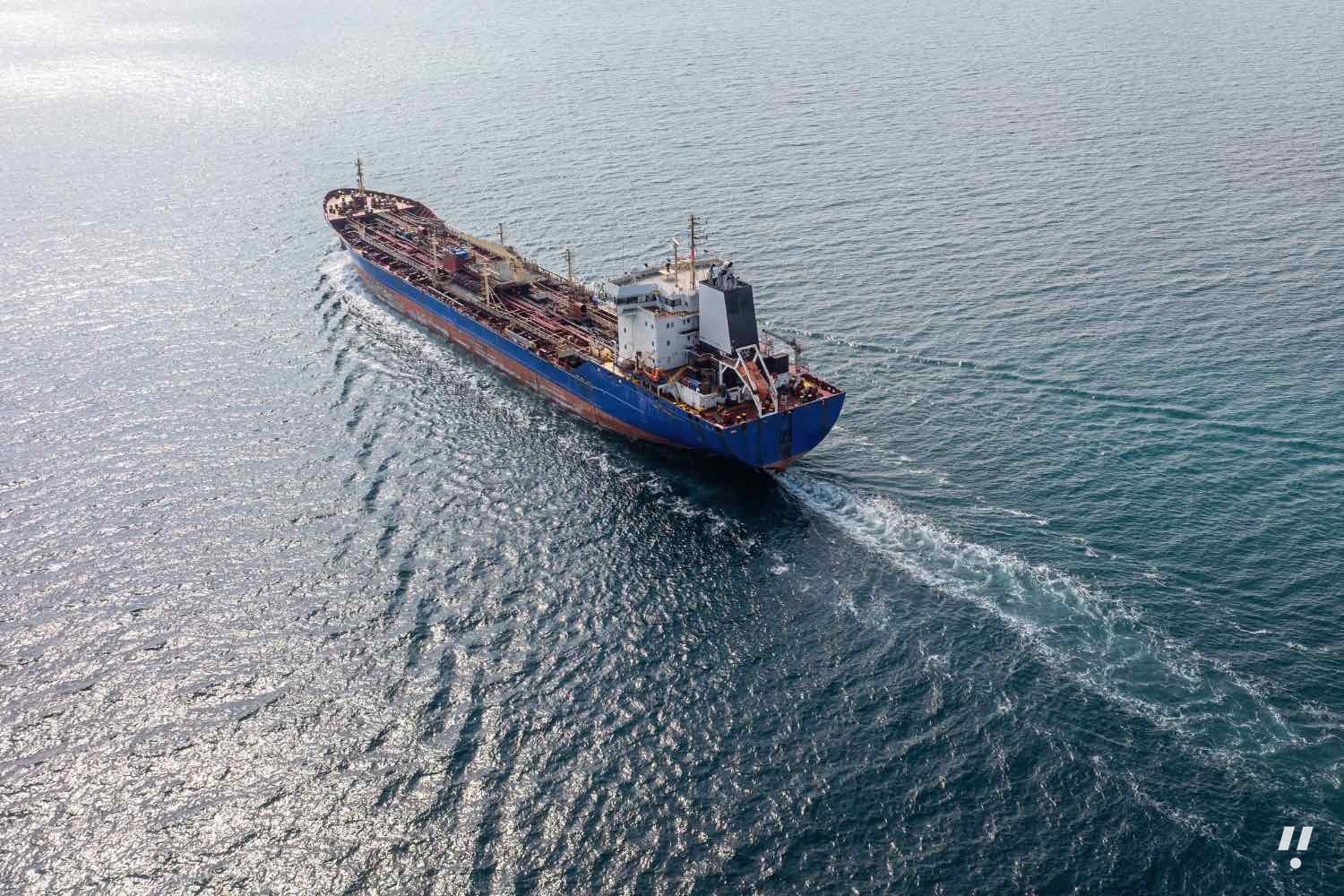
Saudi Arabia sold about 60 million barrels of crude for September and October shipment from Ras Tanura, a pace of 1 million to 1.5 million barrels a day, as the kingdom worked around an outage on its Red Sea export route. Reuters reported the sales on Friday, citing trade sources.
The cargoes moved through ship-to-ship transfers at Oman's Sohar port, an arrangement that handed Asian refiners a route around the disruption. An attack damaged the East-West pipeline and slowed exports from Yanbu, the Red Sea port the line supplies.
That daily rate matters because it shows how much crude Aramco was prepared to push out of its Gulf terminal to keep customers supplied while loadings at Yanbu were constrained.
Asian refiners take the spot barrels
Chinese and South Korean refiners were among the main buyers of the spot cargoes, with some shipments also bound for India and Japan. Asian buyers account for most of Saudi Arabia's crude demand, which is what makes the higher Gulf export volumes significant to them.
Aramco offered the additional cargoes to Asian refiners through transfers off Sohar. The extra Gulf supply may have replaced some of the volume lost at Yanbu, easing global oil prices. Futures fell more than $1 a barrel on Friday.
Freight costs climb
The rerouting pushed tanker costs higher. Freight rates for very large crude carriers reached record levels, and a VLCC carrying 2 million barrels from Fujairah to Asia cost 800 Worldscale in early October, according to a shipbroking firm.
The East-West pipeline normally carries Saudi crude to Yanbu and lets the kingdom bypass the Strait of Hormuz. With the line damaged, Saudi Arabia had to lean harder on Gulf exports and alternative shipping, which is the traffic the pipeline was built to avoid. Reports said the kingdom sought to restore about half the pipeline's capacity within days.
In Japan, the Petroleum Association of Japan said refiners had secured sufficient crude supplies through November, pointing to ship-to-ship transfers outside the Strait of Hormuz. PAJ President Shunichi Kito said some shipments pass through the Strait at Saudi Arabia's risk and are then transferred outside the Gulf. Saudi supplies, he said, had not ceased entirely.

