Chevron Commits $88M Minimum To Egypt's Deepwater Lotus Gas Block
The western Mediterranean concession sits in 2,000 to 2,800 metres of water and has never been drilled at depth, Egypt's petroleum ministry says.
Tariq Benali Tariq Benali covers business and corporate news across the UAE and MENA for Anecdoted, tracking the deals, leadership moves and regulatory shifts behind the region's companies. tariq@anecdoted.com
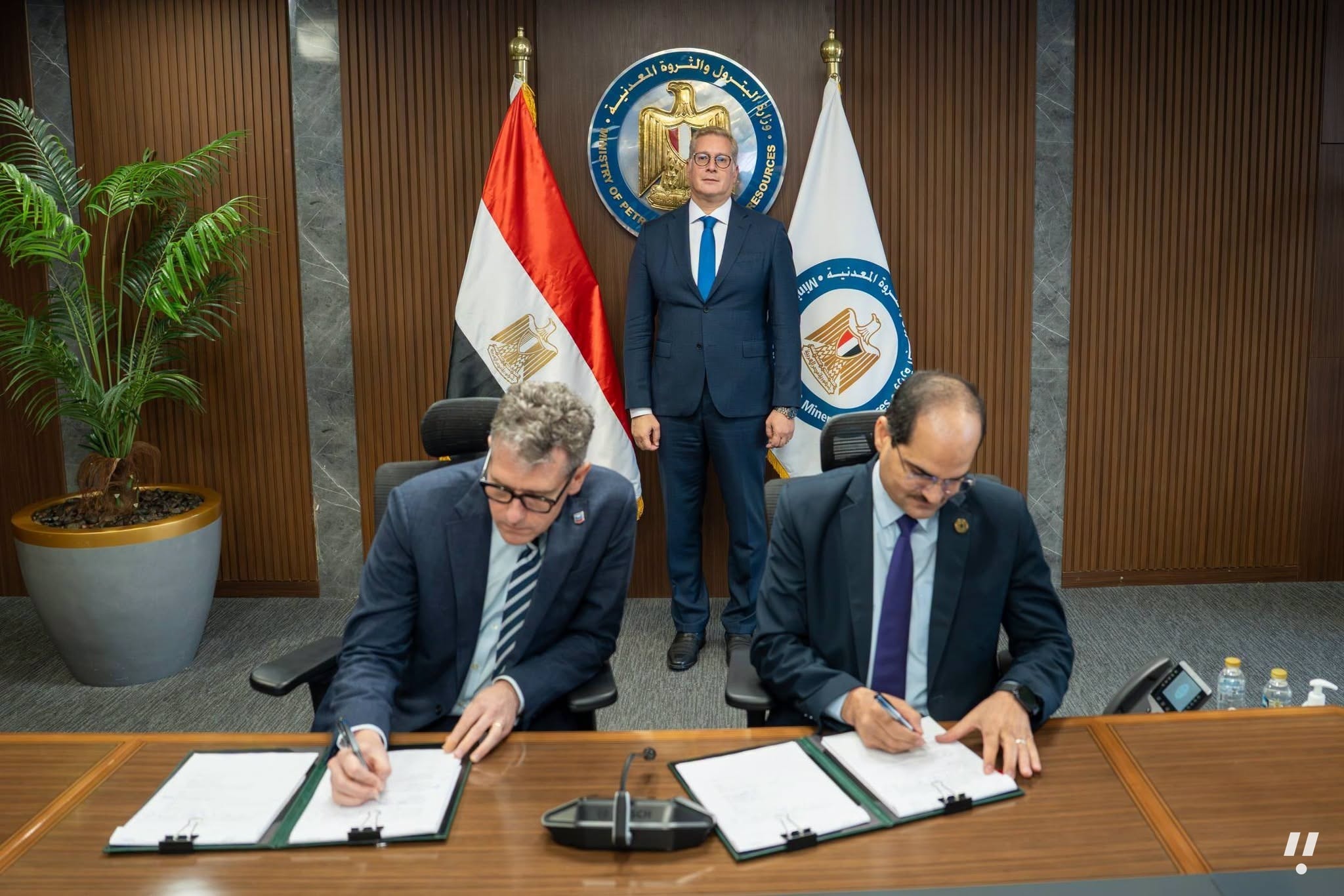
Chevron has committed a minimum of $88 million to hunt for crude oil and natural gas in Egypt's offshore Lotus concession, under an agreement with EGAS, the state gas company. Egypt's petroleum ministry announced the deal. Two exploration wells are planned, and the work programme includes reprocessing three-dimensional seismic data. The $88 million is stated as a floor, so spending on the two wells could run higher.
Lotus lies about 200 kilometers off Egypt's Mediterranean coast. Water depths across the concession run from 2,000 to 2,800 meters. No deep exploration drilling has been carried out there before, according to the ministry.
Egypt's cabinet approved the draft agreement in April, clearing the way for signature.
Lotus is one of six Egyptian offshore blocks Chevron holds. The others are Nargis, North El Dabaa, North West Atoll, North SimiAN and North Cleopatra. All six sit in the western Mediterranean, where Chevron works alongside Shell.
The ministry pointed to the Nargis gas discovery among Chevron's exploration results in Egypt. At the Velox well in North Cleopatra, drilling returned promising indications of crude oil. The same statement carried no resource estimates and no potential production rates for Lotus.
Output goals meet deepwater economics
Egypt wants to widen exploration and pull in investment to raise domestic production, reverse a decline in natural gas output and reduce its reliance on imported gas. Deepwater acreage helps with the first goal and not quickly with the second. A well in 2,000 meters of water takes years and large budgets to reach first production, so additional supply in the near term has to come from fields already in service.
On September 30, the ministry reported about 45 million cubic feet per day of natural gas and 540 barrels per day of condensates. Three new wells had started up, and a fourth came back online after repairs. The volumes came from the Western Desert, the Gulf of Suez and the onshore Nile Delta, under a programme to restore output growth and strengthen domestic supplies.
Overdue payments to foreign operators have weighed on activity. Egypt settled its outstanding debts to international oil and gas companies in June 2026. Arrears had reached roughly $6.1 billion in June 2024. The government has introduced incentives meant to encourage drilling and production.
Drilling has already picked up. In the 2024/2025 and 2025/2026 fiscal years, 149 exploration wells were drilled. They yielded 112 discoveries, 24 of them natural gas. A broader government plan targets about 480 exploration wells by 2030, supported by total investments of $5.7 billion.

