DAMAC Cuts Water Use 43.7% and Grid Power Demand 23% Across Dubai Portfolio
The developer's 2025 sustainability report shows water and electricity savings against a 2023 baseline even as occupancy and handovers rose.
Tariq Benali Tariq Benali covers business and corporate news across the UAE and MENA for Anecdoted, tracking the deals, leadership moves and regulatory shifts behind the region's companies. tariq@anecdoted.com
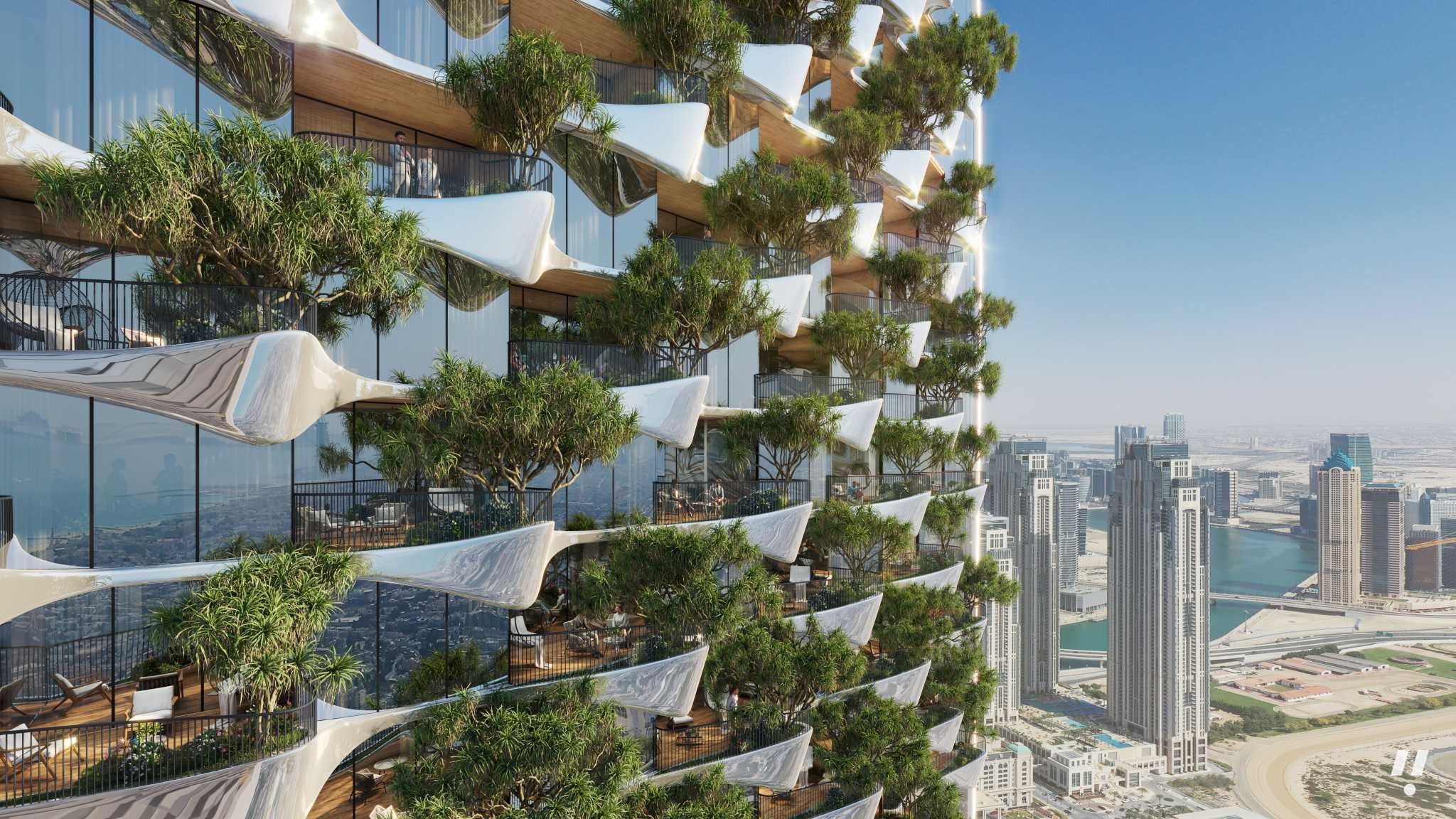
DAMAC Properties reduced water consumption across its handed-over Dubai residential towers by 43.7% in 2025 compared with 2023, and cut grid electricity demand by 23% across 49 residential towers over the same two years. The numbers come from the developer's 2025 sustainability report, presented at WETEX in Dubai on October 20.
Both declines landed while the portfolio was filling up. Water use fell even as occupancy rose, and electricity demand came down as occupancy and handover volumes increased.
Retrofits behind the electricity decline
The drop in grid draw followed technical retrofits, smart lighting and optimisation of heating, ventilation and air-conditioning systems across the 49 towers. On the water side, on-site treated sewage effluent capacity nearly doubled, reaching 61.05 million imperial gallons.
Generation on site added to the totals. Rooftop solar in the retail portfolio produced 1,028 MWh in 2025, against 728 MWh a year earlier, and solar water heating in the master communities offset 212 MWh of annual grid thermal demand.
DAMAC Mall recorded an 11.5% year-on-year fall in water consumption after smart irrigation and automated leak detection were installed. Fuel used by the corporate fleet dropped 55.2% between 2023 and 2025.
For a Gulf developer, cooling load and water account for most of what a standing portfolio consumes, which makes intensity — not absolute volume — the number worth watching. A cut measured against a fixed 2023 baseline while handovers climb points to changes in how the buildings run rather than a shrinking estate.
Wider emissions boundary
The company prepared its sustainability report under GRI Standards for the first time, added a double materiality assessment, and widened Scope 3 accounting to take in indirect value-chain emissions. Companies referencing those standards accounted for 62% of global market capitalisation and 40% of large listed companies worldwide in a 2025 global reporting study by GRI.
Carbon measurement and digital ESG assessments are being extended across the supply chain, a harder exercise than tuning plant in buildings the company controls.
All new DAMAC developments are designed to meet at least the Silver level of Dubai Municipality's Al Sa'fat Green Building System. The company has set a target of planting 30,000 flame trees across its communities by 2030, and recorded 116.9 million contractor working hours in 2025.
Alongside the environmental disclosures, the group appeared on three 2026 rankings: DAMAC Group placed fourth on a Top 100 Arab Family Businesses list, founder and chairman Hussain Sajwani took first place on a Most Impactful Real Estate Leaders ranking, and managing director Ali Sajwani placed third in the real estate and construction category of a Sustainability Leaders ranking.

