Dubai Approves Longevity Strategy With AED35 Billion Economic Target
The Dubai Longevity Authority's first strategy projects roughly 31% annual growth and sets a ten-year economic contribution goal for the emirate.
Karim El-Sayed Karim El-Sayed covers company news, policy and regulation across the UAE and wider MENA for Anecdoted, with a focus on how new rules and licences reshape how startups operate. karim@anecdoted.com
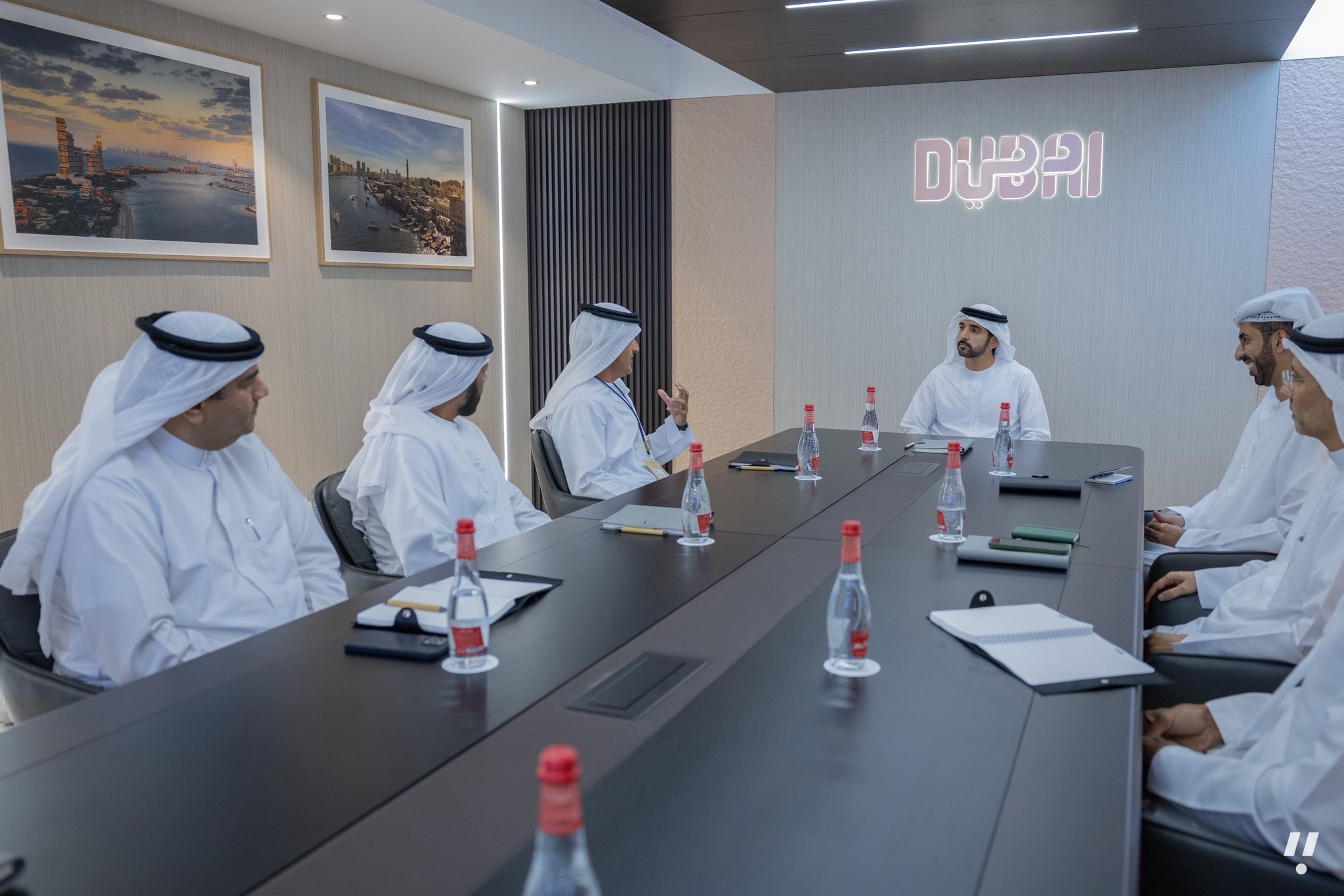
Dubai expects its longevity sector to contribute AED35 billion — about US$9.53 billion — to the economy over the next decade. The target sits inside a strategy approved for the Dubai Longevity Authority, which is aiming for annual growth of roughly 31% across the sector.
The strategy and budget were approved at the authority's first meeting, chaired by Dubai's Crown Prince, who also serves as the UAE's Deputy Prime Minister and Minister of Defence.
A mandate that goes beyond promotion
The DLA was created in June 2026 and charged with turning Dubai into an international hub for healthy longevity. Its stated goal is to extend the number of years people live in good health while reducing the burden of chronic disease and cognitive decline.
In that framing, longevity is a matter of healthspan rather than lifespan alone — delaying the point at which age-related illness narrows what a person can do, and treating that delay as something science and industry can deliver.
The authority's remit covers regulation of advanced therapies and preventive healthcare, support for clinical innovation, and the creation of frameworks for research and experimentation that meet agreed standards of responsibility.
Building the sector is the other half of the job. The strategy sets out to attract expertise and investment from overseas, back companies with strong potential in the field, and connect research and clinical development to manufacturing and to markets outside the UAE.
An industry, not only a health policy
Dubai treats longevity as a commercial sector as well as a medical one. The ecosystem it describes spans laboratory research and clinical trials, the production of therapies, and the capital required to fund the companies working in those areas.
Hitting the ten-year contribution target means the sector has to compound at close to a third each year, the pace the authority has set as its growth assumption. That rate is the plan's central test: a slow first few years would make the later years harder to reach.
Wider regional efforts
The strategy adds to other UAE work in longevity and precision medicine. In 2025, Abu Dhabi's Department of Health announced a declaration aimed at advancing both areas, giving the country two separate tracks of activity rather than a single programme.
In a post on X after the meeting, the Crown Prince said the approval opened a new phase in Dubai's effort to shape the future of health. The aim, he said, is for the emirate to become a global centre for healthy longevity, with work running from early research and patient trials through to manufacturing and sales in international markets.
What remains to be settled is the rulebook. The authority's remit extends to how experimental therapies are tested, approved and sold, the part of the plan that will determine which companies can operate in the emirate and on what terms.

