Egyptian Pound Slips to Lowest Since May as Dollar Tops EGP 53.5
The pound has shed about 2.1% against the dollar since October 1, with foreign portfolio flows and energy prices adding pressure to a widening current account deficit.
Tariq Benali Tariq Benali covers business and corporate news across the UAE and MENA for Anecdoted, tracking the deals, leadership moves and regulatory shifts behind the region's companies. tariq@anecdoted.com
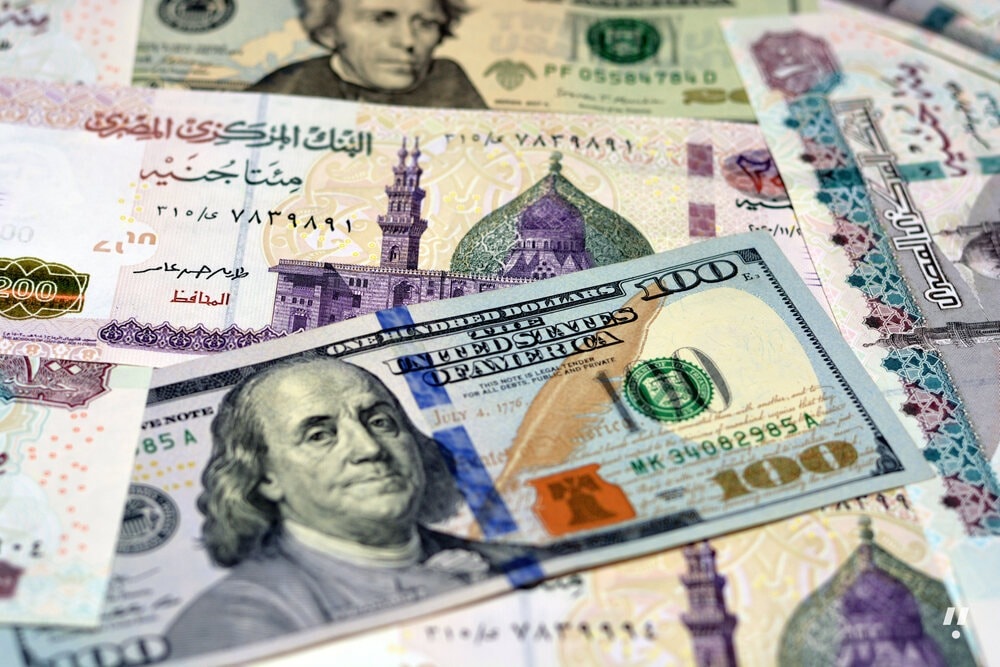
The Egyptian pound has weakened to its lowest level against the US dollar since May, with the dollar moving above EGP 53.5 on the Central Bank of Egypt's published rates.
The central bank's published average stood at about EGP 53.41 for buying and EGP 53.51 for selling. Its official quote showed EGP 53.39 for buying and EGP 53.53 for selling, while state lenders National Bank of Egypt and Banque Misr priced the dollar at roughly EGP 53.42 and EGP 53.52 respectively during Sunday's trading.
The average selling rate has climbed about EGP 1.14, or 2.2%, since the start of October, when it sat at EGP 52.37. Measured the other way, the pound has lost around 2.1% of its value against the dollar in that stretch.
Sunday's levels followed the dollar's push past EGP 53 during last week's sessions. Traders have been watching swings in foreign investment into Egyptian local debt instruments and a deteriorating geopolitical backdrop across the region. Analysts name two likely forces behind the move: the risk of foreign portfolio money leaving, and higher global energy prices that lift demand for dollars. The central bank has not pinned the depreciation to any single cause.
International Monetary Fund figures show how quickly that portfolio money can move. Nonresident holdings of Egyptian local-currency government debt dropped from $39.1 billion in February to $22.2 billion by early April, then climbed back to roughly where they stood before the regional conflict escalated.
Demand for foreign currency to pay for imports has grown alongside those flows. Egypt's current account deficit reached $22.5 billion in the 2025–2026 fiscal year, against $15.4 billion a year earlier. The merchandise trade gap widened 27.1% to $64.8 billion, and the petroleum trade deficit grew 31.5% to $18.3 billion as imports of natural gas and crude rose.
The wider picture is less strained. The overall balance of payments still posted a $2.8 billion surplus, carried by net capital and financial inflows of $23.2 billion. That figure includes $18 billion of foreign direct investment and $4.2 billion of portfolio investment. Remittances from Egyptians abroad hit a record $47.3 billion, tourism brought in $18.4 billion and Suez Canal receipts reached $4.4 billion over the fiscal year.
Reserves have thickened as well. Net international reserves stood at $57.35 billion at the end of September, up from $53.13 billion in May, giving the central bank room to absorb external shocks and cover foreign currency needs.
Policy held steady into the October meeting
Egypt continues to run a flexible exchange rate, a framework the IMF regards as necessary for soaking up external shocks and managing shifts in capital flows. The central bank left interest rates unchanged in September, keeping the deposit rate at 19% and the lending rate at 20%. Its Monetary Policy Committee next convenes on October 29.

