Egypt’s Agricultural Exports Top 6.2 Million Tons in 2026
Minister Alaa Farouk says continued demand pushed exports past 6.2 million tons, with new markets across Africa, Asia and the Americas.
Tariq Benali Tariq Benali covers business and corporate news across the UAE and MENA for Anecdoted, tracking the deals, leadership moves and regulatory shifts behind the region's companies. tariq@anecdoted.com
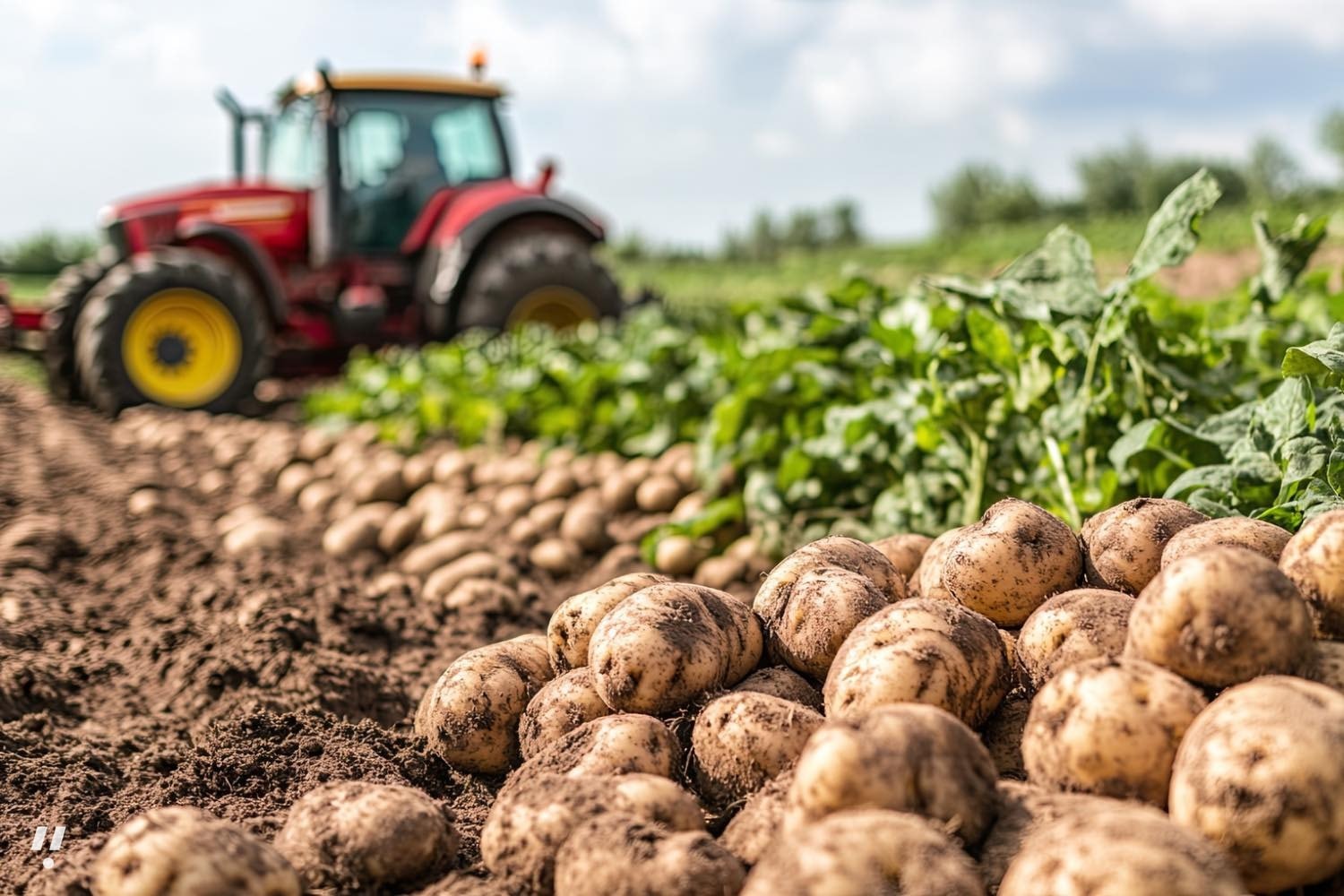
Egypt’s agricultural exports have topped 6.2 million tons so far in 2026, Minister of Agriculture and Land Reclamation Alaa Farouk has announced. That total follows a 5.8 million ton tally recorded by July 11. Farouk said the growth reflects continued international demand for Egyptian produce.
The volume builds on a record 2025. Egypt exported roughly 9.5 million tons of agricultural goods last year, up more than 800,000 tons from 2024, when shipments totaled 8.6 million tons. The value of fresh and processed agricultural exports rose 8.5 percent to nearly $11.5 billion, climbing from $10.6 billion the year before. The agricultural sector is becoming a major driver of foreign currency for Egypt.
New markets are part of the story. Egypt opened 25 new agricultural export markets in 2025, and Egyptian goods reached around 167 countries. Roughly 405 distinct crops and products entered global supply chains. New destinations included South Africa, Costa Rica, Uzbekistan, India, and the Philippines. The government is now pushing further into Africa, Asia, and the Americas.
Farouk attributed the export growth to modernized coding, digital tracking, and shipment control systems. These allow real-time monitoring of produce from farm to foreign markets. Inspection regimes have been tightened to meet international health standards and buyer requirements. Technical support for farmers and exporters remains part of the effort. CAPQ and ministry authorities are also working with foreign agricultural trade representations to open additional market access, according to Farouk.
Citrus fruits led exports with 2.3 million tons. Fresh potato shipments reached approximately 918,000 tons. Sweet potato exports exceeded 235,000 tons. Grapes were fourth, at around 180,000 tons, followed by fresh onions at 155,000 tons. Green and dry beans came sixth at roughly 136,000 tons. Strawberries, garlic, tomatoes, mangoes, guavas, and pomegranates were among the other products shipped abroad.
That expansion matters beyond the annual tally. Agriculture has become a major source of foreign currency for Egypt, and a broader customer base makes those earnings less dependent on a single buyer. With outward shipments already past 6.2 million tons in 2026, the push into Africa, Asia, and the Americas looks like a sustained strategy rather than a seasonal spike.

%22%3E%3Crect%20x%3D%22-10%22%20y%3D%224%22%20width%3D%22120%22%20height%3D%221%22%20fill%3D%22%2300ff89%22%20opacity%3D%220.9%22%2F%3E%3C%2Fg%3E%3Ccircle%20cx%3D%22106%22%20cy%3D%2285%22%20r%3D%224.230769230769231%22%20fill%3D%22%2300ff89%22%20opacity%3D%220.75%22%2F%3E%3C%2Fsvg%3E)