Fitch Keeps Egypt at 'B' as Reserves Reach $54.4 Billion
Fitch Ratings held Egypt's sovereign rating at 'B' and left the outlook unchanged, citing higher reserves and steady growth against stubborn inflation and heavy debt-service costs.
Tariq Benali Tariq Benali covers business and corporate news across the UAE and MENA for Anecdoted, tracking the deals, leadership moves and regulatory shifts behind the region's companies. tariq@anecdoted.com
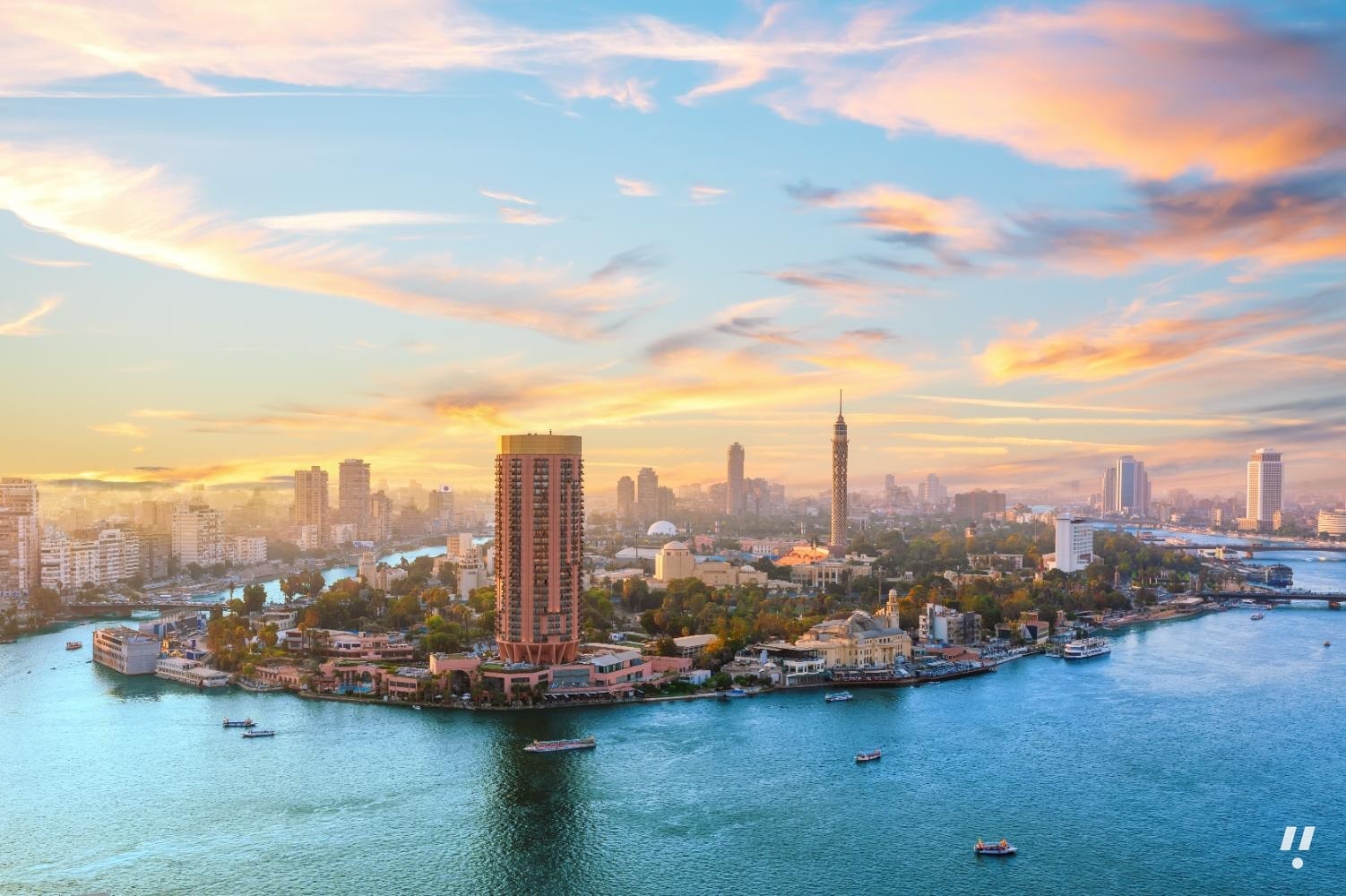
Egypt's sovereign credit score will stay where it is. Fitch Ratings kept the country at 'B' and left the outlook unchanged, pointing to a larger foreign-currency buffer, steady growth and continued backing from international lenders. The agency's assessment, dated October 8, also flags what holds Egypt back: heavy interest costs on government debt and inflation that is not falling quickly.
Gross international reserves climbed $5.5 billion in the first eight months of 2026, reaching $54.4 billion. Fitch expects the economy to expand 4.7% in fiscal 2027, slower than the 5.1% recorded in fiscal 2026, as higher living costs squeeze consumption and investment.
External accounts hold up through the shock
External finances improved even as the war in Iran pushed capital out of Egyptian assets. Foreign investors pulled more than $6 billion from government debt, roughly 1.4% of GDP, and the pound weakened by more than 14% against the dollar. Most of that depreciation has since been reversed as investment in government securities returned.
Fitch credited the authorities with keeping the currency convertible, without resorting to heavy exchange controls or central bank intervention to slow the slide. That, the agency said, reinforced confidence in the exchange-rate policy.
Net foreign assets at the Central Bank of Egypt reached $19 billion in August, a rise of $5.6 billion. The banking sector's net foreign assets were broadly flat at $12.6 billion.
Inflation stays above target
Costlier energy and food imports have made disinflation harder. Egypt buys oil, natural gas and wheat abroad, so higher world prices feed straight into domestic costs. Fitch sees inflation averaging 12.3% in fiscal 2027, up from 11.6% in fiscal 2026, and expects another round of fuel-price increases in the fourth quarter of 2026 following the adjustments made in March. Inflation should drop below 10% in fiscal 2028, helped by tighter monetary policy, a more flexible pound and cheaper commodities.
The current-account deficit widened to an estimated 5.1% of GDP in fiscal 2026 from 4.2% a year earlier, as energy costs hurt the trade balance. Tourism receipts rose 10% and remittances 18%, softening the blow. Fitch expects the gap to narrow to under 3.5% of GDP by fiscal 2028.
Debt service is the binding constraint
Public finances remain the weakest part of the picture. Fitch forecasts the budget deficit widening to 5.8% of GDP in fiscal 2027 from 5.3% in fiscal 2026, with higher interest payments absorbing much of the gain from stronger revenue. Tax revenue grew 27% in fiscal 2026 as the government widened the tax base and pushed more activity into the formal economy.
Even so, interest payments swallowed an estimated 63% of government revenue in fiscal 2026. Fitch expects that share to fall to 52% by fiscal 2028, still far above the 14% median for similarly rated sovereigns. Government debt is projected to drop to 72% of GDP by the end of fiscal 2028, about eight percentage points below the fiscal 2026 level but above the 57% median for 'B' rated peers. The agency also points to risks from the wider public sector and off-budget obligations, despite better oversight of public investment.
What happens after the IMF arrangements end
Egypt's Extended Fund Facility and Resilience and Sustainability Facility arrangements with the IMF finish in November 2026. Fitch does not expect a successor programme with fresh financing, but assumes Cairo will keep real interest rates positive, hold the line on fiscal discipline and allow the exchange rate to move. Support continues through other partners, including the European Union and the World Bank.
Fitch laid out what could move the rating either way. Stronger reserves, sustained disinflation and cheaper government borrowing could bring an upgrade. Deteriorating external finances, weaker policy credibility or greater debt-sustainability risk could force one down.
An equity market that has already re-rated
Before this assessment, Egyptian stocks had already drawn investors back. Total market capitalisation rose more than 40% to $67.3 billion as of January 2026, compared with a year earlier. The 50 largest listed companies were worth $55.8 billion, about 83% of the market, with their combined value up more than 48% over the preceding 12 months. Commercial International Bank topped that ranking at $9.6 billion, ahead of Talaat Moustafa Group Holding and Elsewedy Electric.
Those gains colour how investors approach Egyptian assets. They do not erase the fiscal and external weaknesses Fitch still sees.

